
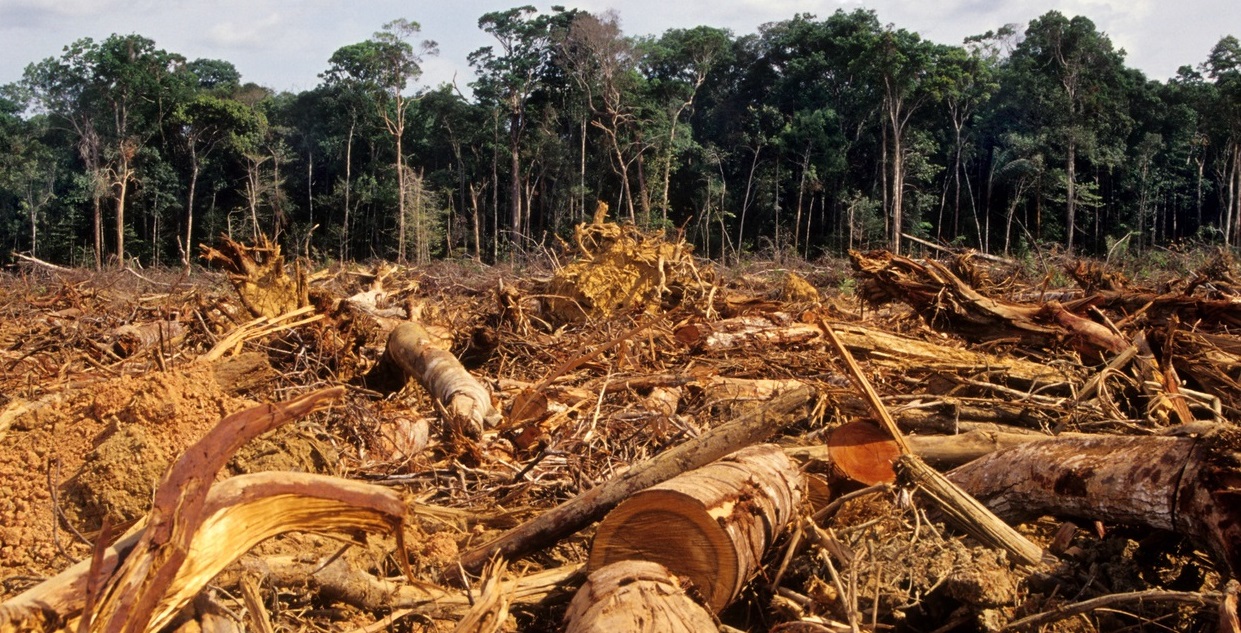
Green-collar crime involves illegal activities that harm the environment, such as deforestation, illegal logging, and poaching. Understanding why people commit these crimes is important in coming up with effective ways to prevent them. A criminology theory that best explains green-collar crime is Rational Choice Theory.
Rational Choice Theory and Green-Collar Crime
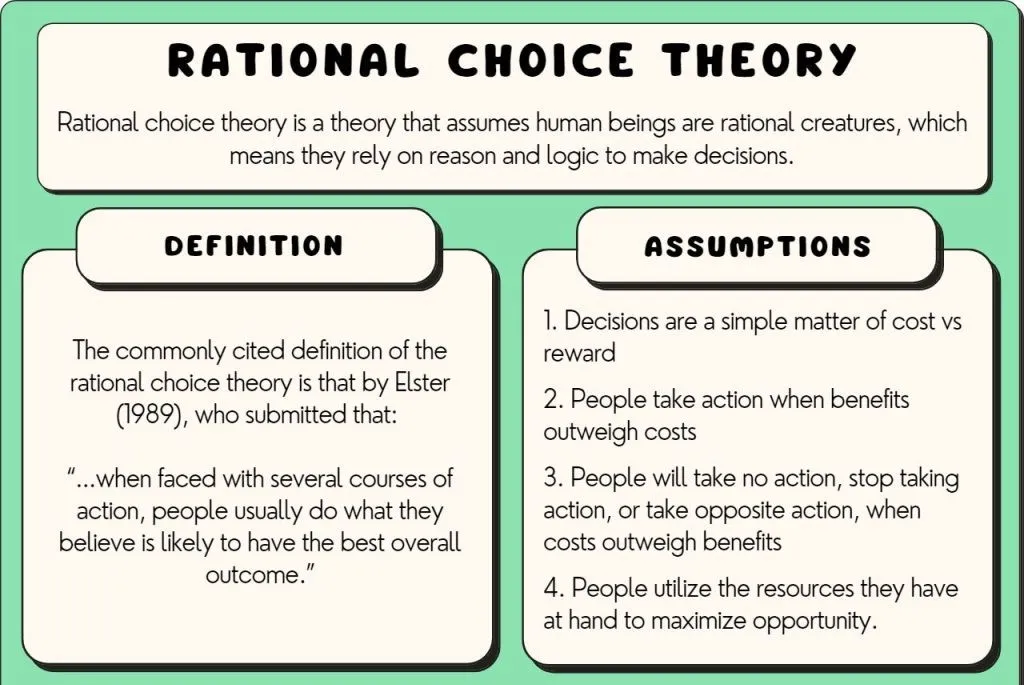
Rational Choice Theory sees individuals as rational decision-makers who weigh the costs and benefits before committing a crime. In green-collar crime, offenders assess whether the profits from illegal activities are worth the risk of getting caught.
For example, illegal loggers take advantage of the high demand for timber and the big profits in deforestation. They choose to engage in the crime because they believe the financial gain is greater than the risk of being arrested or fined. Poachers also make a calculated decision, driven by the high market value of animal products like ivory and rhino horns.
Why Rational Choice Theory Fits
Studies show that weak enforcement and light penalties make offenders more likely to take risks. If a poacher thinks there’s little chance of getting caught or that the punishment is small, they will go ahead with the crime. This perfectly aligns with Rational Choice Theory, which explains that when the rewards seem greater than the risks, people choose to commit crimes.
Conclusion
Green-collar criminals knowingly break the law for profit, making Rational Choice Theory the best explanation for their behavior. To stop these crimes, authorities need to strengthen enforcement, introduce harsher penalties, and create stricter environmental laws to change how offenders weigh risks and rewards.
0
297