Pasing Grades
  • Start Selling
  • Blog
  • Contact
  • 0

    Your cart is empty!

English

  • English
  • Spanish
  • Arabic
Create Account Sign In
  • Library
    • New Prep Guides
    • Featured Prep Guides
    • Free Exam Prep Guides
    • Best sellers
  • General
  • Nursing
    • Research Paper
    • Case Study
    • Discussion Post
    • Assignment
    • Exam
    • Practice Questions and Answers
    • Test Bank
    • solutions manual
  • Accounting
    • Case Study
    • Thesis
    • Study Guide
    • Summary
    • Research Paper
    • test bank
  • English
    • Creative Writing
    • Research Paper
    • Summary
    • Rhetorics
    • Literature
    • Journal
    • Exam
    • Grammar
    • Discussion Post
    • Essay
  • Psychology
    • Hesi
    • Presentation
    • Essay
    • Summary
    • Study Guide
    • Essay
    • Solution Manual
    • Final Exam Review
    • Class Notes
    • test bank
  • Business
    • Lecture Notes
    • Solution Manual
    • Presentation
    • Business Plan
    • Class Notes
    • Experiment
    • Summary
    • Practice Questions
    • Study Guide
    • Case Study
    • test bank
    • Exam
  • More
    • Computer Science
    • Economics
    • Statistics
    • Engineering
    • Biology
    • Religious Studies
    • Physics
    • Chemistry
    • Mathematics
    • History
    • Sociology
    • Science
    • Philosophy
    • Law
  • Pages
    • About Us
    • Selling Tips
    • Delivery Policy
    • Faq
    • Privacy Policy
  • Flash Sale
  • Home
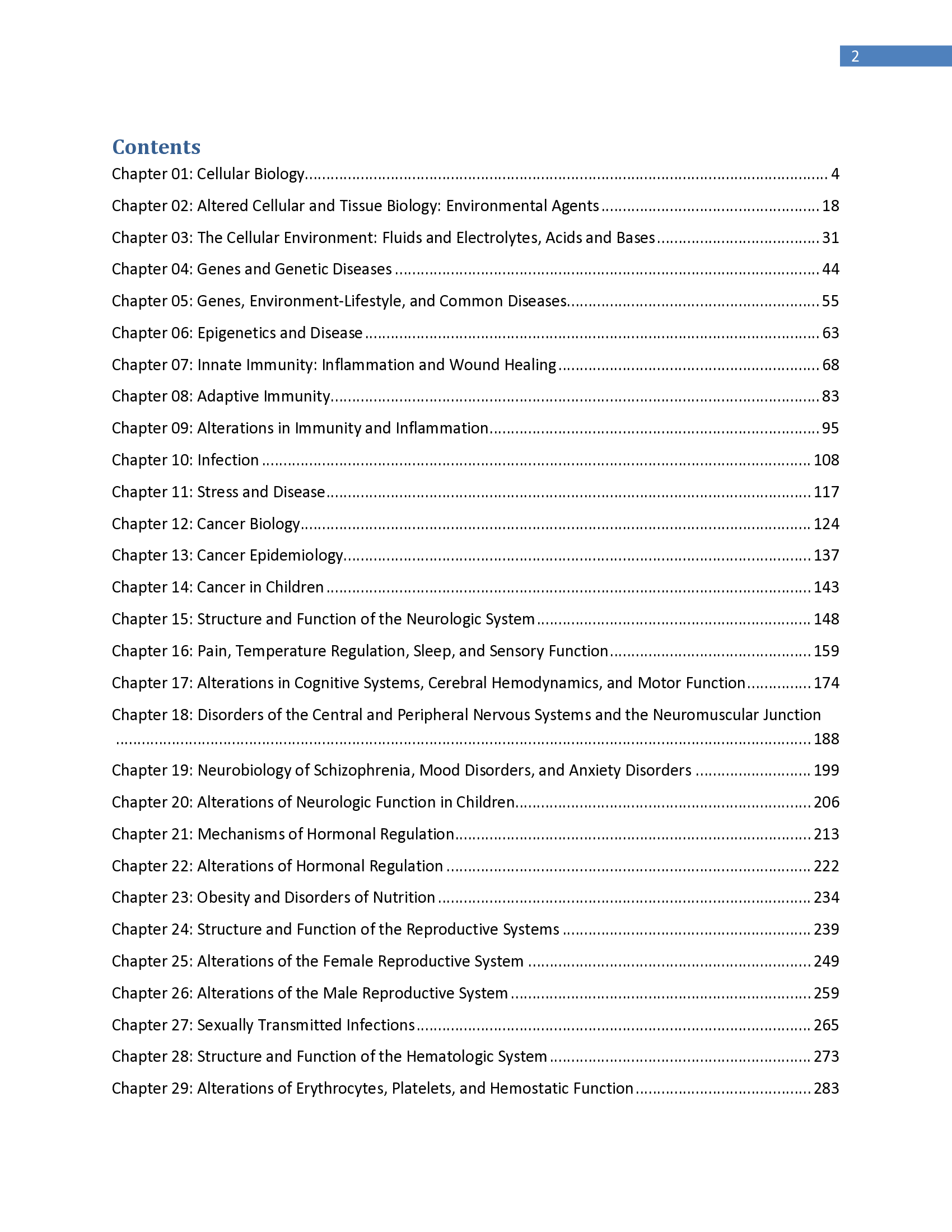
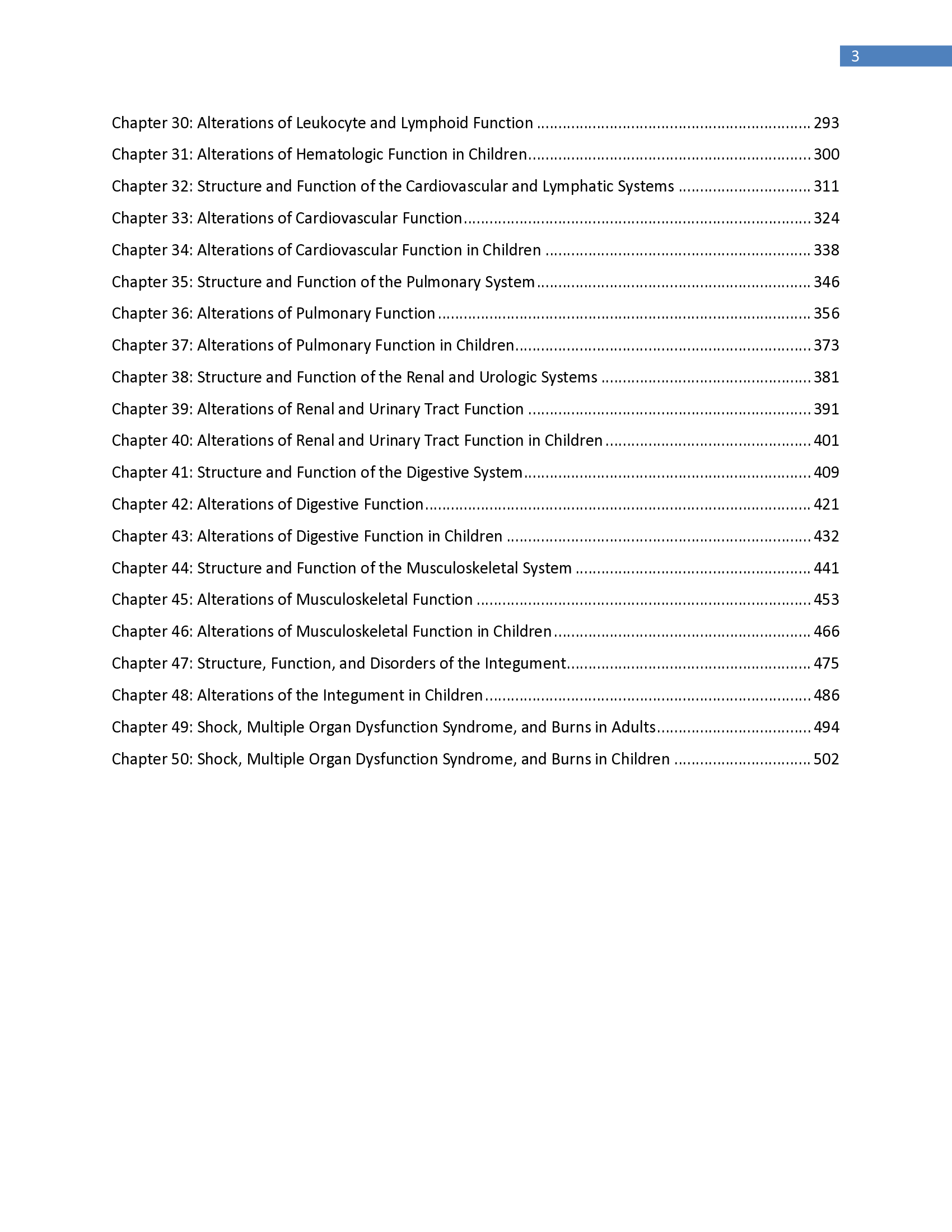
  • TEST BANK PATHOPHYSIOLOGY THE BIOLOGIC BASIS FOR DISEASE IN ADULTS AND CHILDREN 8th Edition

TEST BANK PATHOPHYSIOLOGY THE BIOLOGIC BASIS FOR DISEASE IN ADULTS AND CHILDREN 8th Edition

Preview page 1 Preview page 2 Preview page 3
Add To Favorites

Share this item Share this item

  • Item Details
  • Comments (0)
  • Reviews (0)
  • Contact Seller

Chapter 08: Adaptive Immunity MULTIPLE CHOICE 1. Which primary characteristic is unique for the immune response? a. The immune response is similar each time it is activated. b. The immune response is specific to the antigen that initiates it. c. The response to a specific pathogen is short term. d. The response is innate, rather than acquired. ANS: B Unlike inflammation, which is nonspecifically activated by cellular damage and pathogenic microorganisms, the immune response is primarily designed to afford long-term specific protection (i.e., immunity) against particular invading microorganisms; that is, it has a memory function. The inflammatory response is similar each time it is activate. Passive immunity is short term or temporary. The inflammatory process is innate. PTS: 1 DIF: Cognitive Level: Remembering 2. In which structure does B lymphocytes mature and undergo changes that commit them to becoming B cells? a. Thymus gland b. Regional lymph nodes c. Bone marrow d. Spleen ANS: C B lymphocytes mature and become B cells in specialized (primary) lymphoid organs—the thymus gland for T cells and the bone marrow for B cells. Neither regional lymph nodes nor the spleen are involved in changing B lymphocytes into B cells. PTS: 1 DIF: Cognitive Level: Remembering 3. What is the term for the process during which lymphoid stem cells migrate and change into either immunocompetent T cells or immunocompetent B cells? a. Clonal diversity b. Clonal differentiation c. Clonal selection d. Clonal competence ANS: A The process is called the generation of clonal diversity and occurs in specialized (primary) lymphoid organs—the thymus gland for T cells and the bone marrow for B cells. Clonal differentiation, selection, and competence do not describe this process. PTS: 1 DIF: Cognitive Level: Remembering Test Bank - Pathophysiology: The Biologic Basis for Disease in Adults and Children (8th) 84 4. Which type of immunity is produced by an individual after either natural exposure to the antigen or after immunization against the antigen? a. Passive-acquired immunity b. Active-acquired immunity c. Passive-innate immunity d. Active-innate immunity ANS: B An individual produces active-acquired immunity (active immunity) after natural exposure to an antigen or after immunization, whereas passive-acquired immunity (passive immunity) does not involve the host’s immune response at all. The innate immune system, also known as nonspecific immune system and the first line of defense, is composed of the cells and mechanisms that defend the host from infection by other organisms in a nonspecific manner, which means that the cells of the innate system recognize and respond to pathogens in a generic way. PTS: 1 DIF: Cognitive Level: Remembering 5. What type of immunity is produced when an immunoglobulin crosses the placenta? a. Passive-acquired immunity b. Active-acquired immunity c. Passive-innate immunity d. Active-innate immunity ANS: A Passive-acquired immunity (passive immunity) does not involve the host’s immune response at all. Rather, passive immunity occurs when preformed antibodies or T lymphocytes are transferred from a donor to the recipient. This transfer can occur naturally, as in the passage of maternal antibodies across the placenta to the fetus, or artificially, as in a clinic using immunotherapy for a specific disease. The remaining options do not produce immunity via immunoglobulin transfer across the placenta. PTS: 1 DIF: Cognitive Level: Remembering 6. The portion of the antigen that is configured for recognition and binding is referred to as what type of determinant? a. Immunotope b. Paratope c. Epitope d. Antigenitope ANS: C The precise portion of the antigen that is configured for recognition and binding is called its antigenic determinant or epitope. The other terms are not discussed in the text. PTS: 1 DIF: Cognitive Level: Remembering 7. Which characteristic is the most important determinant of immunogenicity when considering the antigen? Test Bank - Pathophysiology: The Biologic Basis for Disease in Adults and Children (8th) 85 a. Size b. Foreignness c. Complexity d. Quantity ANS: B Foremost among the criteria for immunogenicity is the antigen’s foreignness. A self-antigen that fulfills all of these criteria except foreignness does not normally elicit an immune response. Thus most individuals are tolerant of their own antigens. The immune system has an exquisite ability to distinguish self (self-antigens) from nonself (foreign antigens). Size, complexity, and quantity are considered when determining immunogenicity but not to the extent that foreignness is. PTS: 1 DIF: Cognitive Level: Remembering 8. A student asks why some vaccinations are given orally and some are given by injection. What response by the professor is best? a. Different routes allow the speed of onset of the antigen to be varied, with the intravenous route being the fastest. b. Some individuals appear to be unable to respond to an antigen by a specific route, thus requiring the availability of different routes for the same antigen. c. Antigen-presenting cells are highly specialized and thus require stimulation by different routes. d. Each route stimulates a different lymphocyte-containing tissue, resulting in different types of cellular and humoral immunity. ANS: D Each route preferentially stimulates a different set of lymphocyte-containing (lymphoid) tissues and therefore results in the induction of different types of cell-mediated or humoral immune responses. The speed of onset of the antigen, individual differences in response, and the requirement for different routes to stimulate different antigen-presenting cells are not accurate descriptions of why different routes of immunization are used. PTS: 1 DIF: Cognitive Level: Understanding 9. The functions of the major histocompatibility complex (MHC) and CD1 molecules are alike because both do what? a. Are antigen-presenting molecules b. Bind antigens to antibodies c. Secrete interleukins during the immune process d. Are capable of activating cytotoxic T lymphocytes ANS: A MHC and CD1 molecules are both antigen presenting molecules (APCs). Antigen binding fragments bind antigens to antibodies. Interleukins have many sources, but they are not secreted by MHCs and CD1 molecules. Activating cytotoxic T lymphocytes requires the presence of antigen presentation and effector Th cells. PTS: 1 DIF: Cognitive Level: Remembering Test Bank - Pathophysiology: The Biologic Basis for Disease in Adults and Children (8th) 86 10. Where are antibodies produced? a. Helper T lymphocytes b. Thymus gland c. Plasma cells d. Bone marrow ANS: C An antibody or immunoglobulin is a serum glycoprotein produced only by plasma cells in response to a challenge by an immunogen. Antibodies are not produced by the thymus gland, bone marrow, or by helper T lymphocytes.

Contact the Seller

Please Sign In to contact this seller.


  • 👎  Report Copyright Violation

Frequently Asked Questions

What Do I Get When I Buy This Study Material?

+

When you buy a study material on Passing Grades, an instant download link will be sent directly to your email, giving you access to the file anytime after payment is completed.

Is Passing Grades a Trusted Platform?

+

Yes, Passing Grades is a reputable students’ marketplace with a secure payment system and reliable customer support. You can trust us to ensure a safe and seamless transaction experience.

Will I Be Stuck with a Subscription?

+

No, all purchases on Passing Grades are one-time transactions. You only pay for the notes you choose to buy, with no subscriptions or hidden fees attached.

Who Am I Buying These Study Materials From?

+

Passing Grades is a marketplace, which means you are purchasing the document from an individual vendor, not directly from us. We facilitate the payment and delivery process between you and the vendor.

Does Passing Grades Offer Free Study Materials?

+

Yes, sellers on Passing Grades have uploaded numerous free test banks, exams, practice questions, and class notes that can be downloaded at no cost.

Pasinggrades - Quality Study Materials

USD 15

    • Quality checked by Pasing Grades
    • 100% satisfaction guarantee
    • Seller: mentor2000
Buy PDF $15

Seller Information

mentor2000

Member since April 2021

  • icon
  • icon
View Profile
  • total sales

    0
  • Favourites

    0
  • Comments

    0
    ( 0 Ratings )

Item Information

  • Uploaded

    05 August 2024

  • Updated

    28 April 2025

  • Category

    Nursing

  • Item Type

    test bank

  • Tags

    TEST BANK PATHOPHYSIOLOGY THE BIOLOGIC BASIS FOR DISEASE IN ADULTS AND CHILDREN 8th Edition

Related Exam Prep Guides by mentor2000

Test Bank for Essentials for Nursing Practice 8th Edition by Potter | All Chapters
View Document

Test Bank for Essent...

  • mentor2000

    mentor2000

  • test bank

Master nursing concepts with this study material; Test Bank for Essentials for Nursing Practice, 8th...

15 USD

0

0

A &P 1 MA278 BSC2 Final Module II Questions & Answers 2026 Update
View Document

A &P 1 MA278 BSC2 Fi...

  • mentor2000

    mentor2000

  • test bank

Prepare for success with A&P 1 MA278 BSC2 Final Module II 2024 Q&A. Boost your grades with this comp...

15 USD

0

0

ATI Comprehensive Predictor Exam 2026
View Document

ATI Comprehensive Pr...

  • mentor2000

    mentor2000

  • test bank

Prepare for success with the ATI Comprehensive Predictor Exam 2026. Access key practice questions to...

15 USD

0

0

Purchase

Download link will be sent to this email immediately after purchase.

IMPORTANT LINKS

  • How To Upload Class Notes
  • Selling Tips
  • Passing Grades's Study Materials
  • Scholarships for International Students 2025

POPULAR CATEGORIES

  • Law
  • Accounting
  • English
  • Psychology
  • Business
  • Nursing
  • Computer Science
  • General

View Document

  • Blog
  • Contact
  • Delivery Policy
  • Latest Scholarships Around the World
  • How to Pass Bar Exams: Passing Grades’ Strategies
  • How to Study and Pass the CPA Exam
  • All Test Banks
  • Faq
  • Copyright Claims
  • Privacy Policy
  • Terms of Use

KNOWLEDGE BASE

  • How to Write A+ Grade Good Research Paper
  • How to Manage Stress During Exam Period
  • Best Time to Study
  • How to Pass NCLEX-RN Exam
  • How To Effectively Utilize Test Banks
  • Popular Shadow Health Exam Assessments
  • Popular HESI Case Studies
  • How to Prepare for a Nursing Career
  • The Importance Of Summaries in Exam Revisvion

© 2026 Pasing Grades. All rights reserved.