
Introduction
Many parents eventually wonder about Brahmi Shatavari Ashwagandha for a 1-year-old, especially after reading about memory boosters, immunity tonics, or natural growth support in Ayurveda blogs and parenting forums. The idea sounds comforting. Gentle herbs, traditional wisdom, fewer chemicals. But when it comes to babies, things are never that simple.
In the first year of life, a child’s digestive system, immune response, and nervous system are still developing. Even mild herbs can act strongly in such a small body. So before mixing powdered roots into milk or buying herbal syrups online, it is important to understand what Ayurveda really says about infant care. Not everything that is healthy for adults is automatically safe for toddlers.
Core idea explained
What it means in simple words
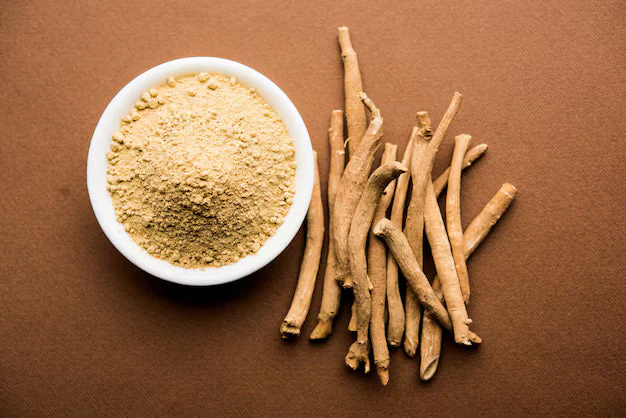
Brahmi is often described as a brain-support herb. Shatavari is known for nourishment and tissue building. Ashwagandha is considered strengthening and calming. Together, they are commonly marketed for focus, immunity, and vitality.
But a one-year-old is not a “small adult.” Their metabolism is different. Their agni, or digestive fire, is delicate. In simple terms, giving adaptogenic herbs meant for stress management or stamina might overload a baby’s system rather than help it.
Why people search for this topic
Parents usually search this because:
They feel their baby is underweight.
They worry about delayed speech.
They want stronger immunity.
Or a grandparent recommended traditional tonics.
Search phrases like “Ayurvedic brain tonic for toddler,” “natural immunity booster for baby,” or “is Ashwagandha safe for infants” are very common. The intention is good. The confusion is real.
Ayurveda perspective
Ayurvedic principles involved
In classical Ayurveda, infant care is called “Kaumarbhritya.” The focus is not on heavy herbal supplementation but on digestion, breastfeeding, gentle oils, and routine. The doshas in early childhood are predominantly Kapha. That means growth, softness, and building tissues are already happening naturally.
Strong rasayana herbs like Ashwagandha are usually reserved for older children or adults unless prescribed carefully by an experienced Vaidya. Even Brahmi, though gentle, is traditionally used in specific formulations and adjusted for age, digestion, and constitution.
Ayurveda emphasizes agni first. If digestion is weak, adding herbs may cause bloating, loose stools or mild rashes. It doesnt always show dramatically, sometimes its subtle.
Typical patterns people notice in real life
Some parents report better sleep when herbal tonics are used. Others notice irritability or changes in appetite. Because babies cannot describe how they feel, we rely on indirect signs: stool changes, skin reactions, sleep shifts, crying patterns.
And sometimes improvements happen simply because routines improved at the same time. Correlation and causation get mixed up.
Practical guidance
Daily routine tips (dinacharya-style, simple)
For a one-year-old, the basics matter more than herbs.
Regular sleep timing.
Gentle oil massage with warm sesame or coconut oil.
Sunlight exposure in the morning.
Calm feeding environment.
Abhyanga, or oil massage, supports nervous system development in a very safe way. It is simple and surprisingly powerful.
Food and lifestyle suggestions (safe and general)
At this age, warm freshly prepared food is ideal. Soft khichdi, mashed vegetables, a little ghee, well-cooked grains. Avoid very cold, processed, or sugary foods.
Breastfeeding, if still ongoing, provides immune and emotional support. For formula-fed babies, consistency and cleanliness are key.
If cognitive support is the concern, focus on interaction. Talking, singing, eye contact, responsive play. These are stronger “brain tonics” than any capsule.
What to avoid (common mistakes)
Avoid self-prescribing concentrated herbal extracts.
Do not mix multiple herbs together randomly.
Avoid adult dosage logic scaled down by guessing.
Also, beware of products marketed aggressively online. “100% natural” does not mean appropriate for infants. Sometimes labels are vague and that’s a red flag in itself.
Safety and when to seek medical help
If a child shows persistent vomiting, diarrhea, skin rash, breathing difficulty, unusual lethargy, or sudden behavioral change after any supplement, stop immediately and seek medical care.
Developmental concerns like delayed walking, poor eye contact, lack of babbling, or feeding difficulties should be evaluated by a pediatrician. Ayurveda can be supportive, but it should not replace proper developmental assessment.
Professional Ayurvedic consultation is essential if considering herbal support. A trained practitioner will assess weight, digestion, sleep, constitution, and overall development before suggesting anything. And even then, the approach is usually mild.
Never experiment during fever, acute illness, or vaccination periods without guidance. The immune system is already busy.
Conclusion
Herbal wisdom is beautiful, but infant care demands caution. Instead of rushing toward tonics, focus on digestion, routine, touch, and bonding. Those are foundational.
If you are curious about gentle Ayurvedic support, speak with a qualified practitioner first. Start simple. Share this article with other parents who may have the same doubts, and explore safe, age-appropriate natural care with awareness.
FAQs
Is Ashwagandha safe for a 1-year-old baby?
Generally, it is not recommended without professional supervision. It is considered a strengthening herb and may be too potent for infants.
Can Brahmi help with speech delay in toddlers?
There is limited scientific evidence for direct speech improvement in infants. Early intervention therapies and interactive play are more reliable first steps.
Are Ayurvedic syrups for immunity safe at this age?
Some mild formulations may be used under guidance, but many commercial syrups contain concentrated extracts not ideal for babies.
What is the safest Ayurvedic support for a one-year-old?
Oil massage, proper diet, consistent routine, and digestive support are considered safest. Herbs come later, and only when needed.
My baby is underweight, should I try Shatavari?
Weight concerns should first be evaluated medically. Sometimes feeding patterns or absorption issues are the cause. Herbal tonics are not the first solution.
Can these herbs affect sleep?
Yes, they can. Some children may become calmer, others restless. Babies respond unpredictably.
When should I avoid all herbal supplements completely?
During acute illness, unexplained symptoms, or without a clear diagnosis. When in doubt, pause and consult.
0
14