Pasing Grades
  • Start Selling
  • Blog
  • Contact
  • 0

    Your cart is empty!

English

  • English
  • Spanish
  • Arabic
Create Account Sign In
  • Library
    • New Prep Guides
    • Featured Prep Guides
    • Free Exam Prep Guides
    • Best sellers
  • General
  • Nursing
    • Research Paper
    • Case Study
    • Discussion Post
    • Assignment
    • Exam
    • Practice Questions and Answers
    • Test Bank
    • solutions manual
  • Accounting
    • Case Study
    • Thesis
    • Study Guide
    • Summary
    • Research Paper
    • test bank
  • English
    • Creative Writing
    • Research Paper
    • Summary
    • Rhetorics
    • Literature
    • Journal
    • Exam
    • Grammar
    • Discussion Post
    • Essay
  • Psychology
    • Hesi
    • Presentation
    • Essay
    • Summary
    • Study Guide
    • Essay
    • Solution Manual
    • Final Exam Review
    • Class Notes
    • test bank
  • Business
    • Lecture Notes
    • Solution Manual
    • Presentation
    • Business Plan
    • Class Notes
    • Experiment
    • Summary
    • Practice Questions
    • Study Guide
    • Case Study
    • test bank
    • Exam
  • More
    • Computer Science
    • Economics
    • Statistics
    • Engineering
    • Biology
    • Religious Studies
    • Physics
    • Chemistry
    • Mathematics
    • History
    • Sociology
    • Science
    • Philosophy
    • Law
  • Pages
    • About Us
    • Selling Tips
    • Delivery Policy
    • Faq
    • Privacy Policy
  • Flash Sale
  • Home
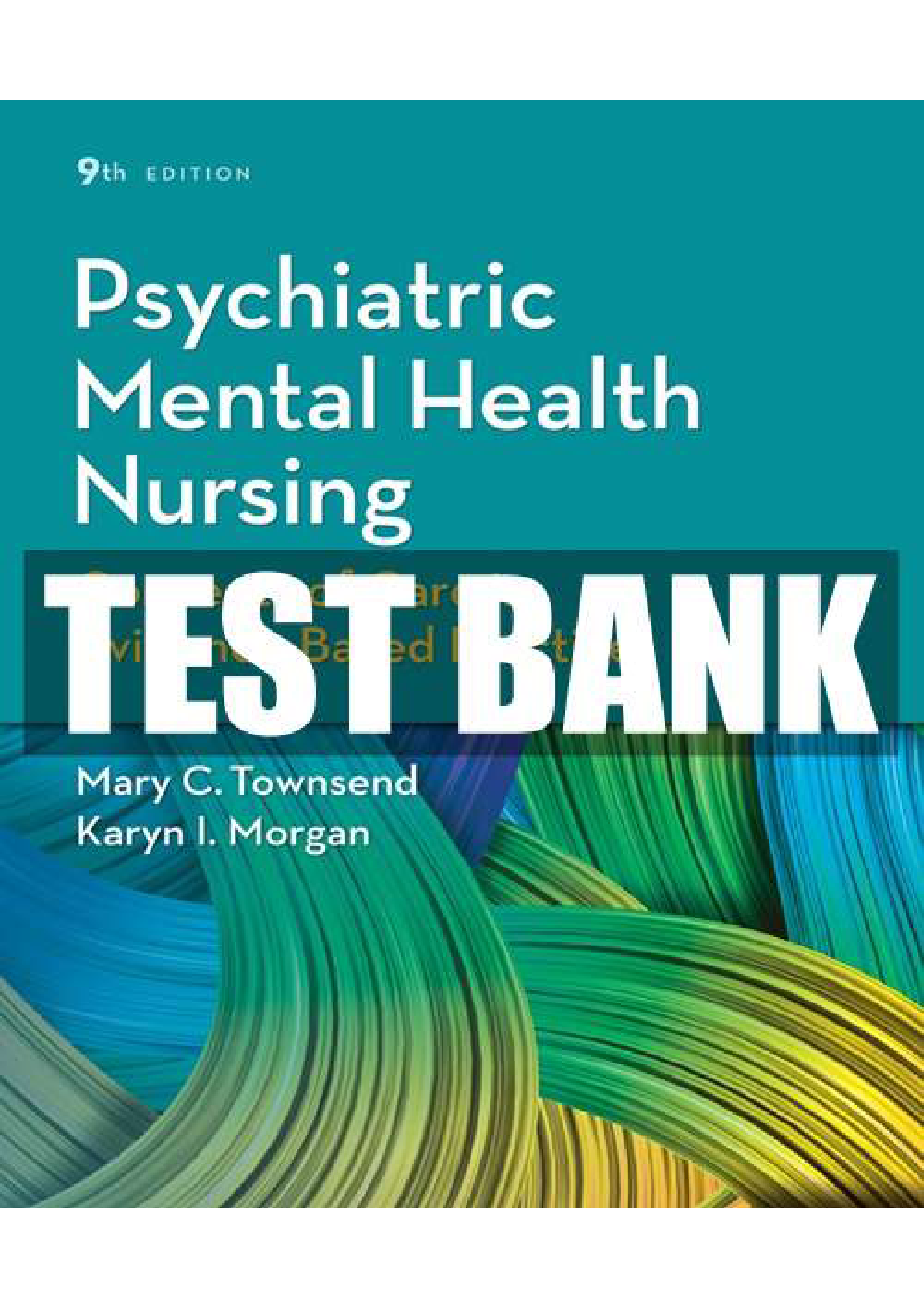
  • Test Bank - Psychiatric Mental Health Nursing by Mary Townsend 9th Edition [All 38 Chapters fully covered]

Test Bank - Psychiatric Mental Health Nursing by Mary Townsend 9th Edition [All 38 Chapters fully covered]

Preview page 1 Preview page 2 Preview page 3
Add To Favorites

Share this item Share this item

  • Item Details
  • Comments (0)
  • Reviews (0)
  • Contact Seller

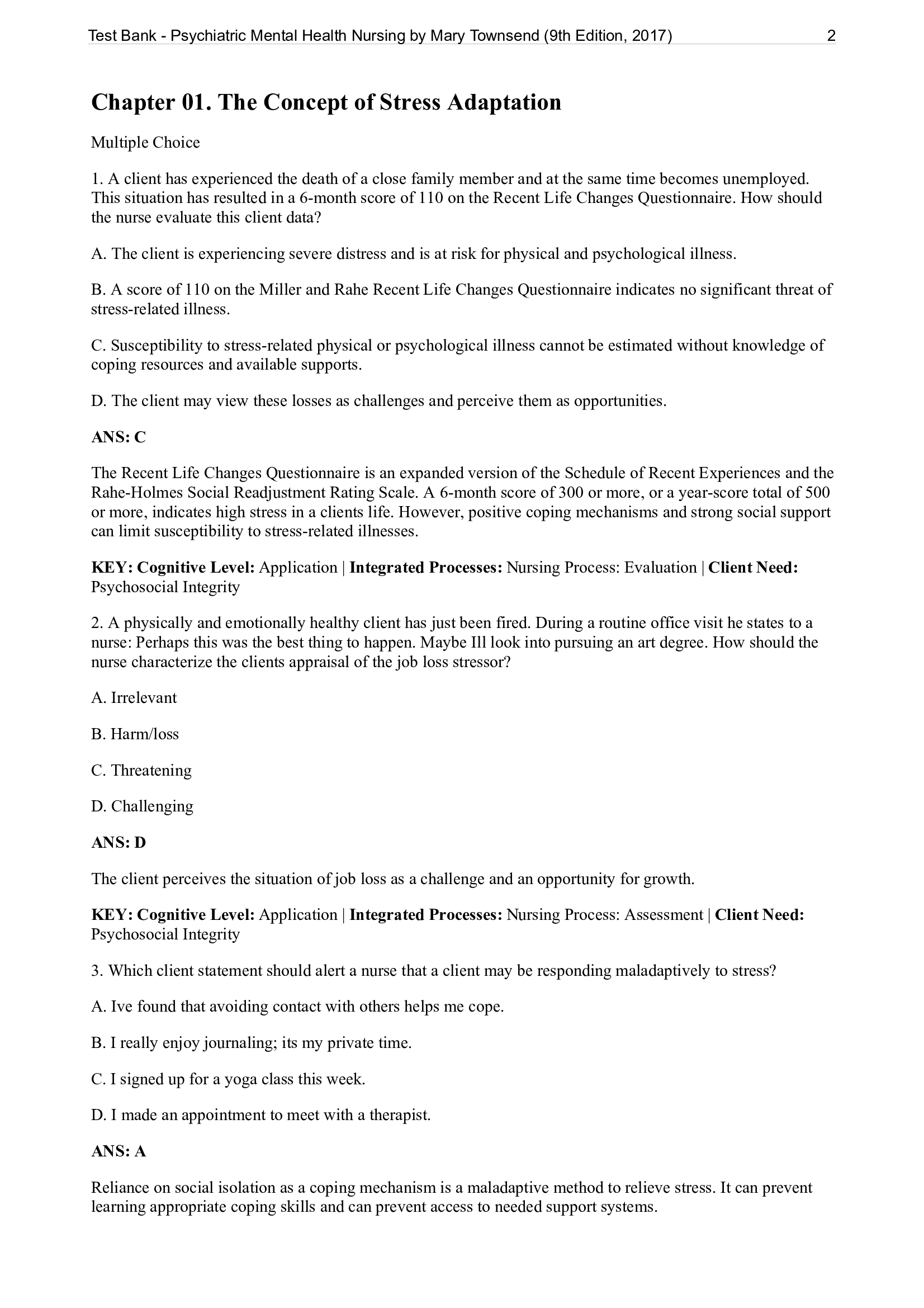
This document contains the complete test bank for Psychiatric Mental Health Nursing by Mary C. Townsend, 9th Edition. It includes exam-style questions and answers covering all 38 chapters of the textbook, making it ideal for students preparing for nursing exams in mental health care. The content reflects NCLEX-style multiple choice and alternate-format questions, ensuring alignment with professional standards.

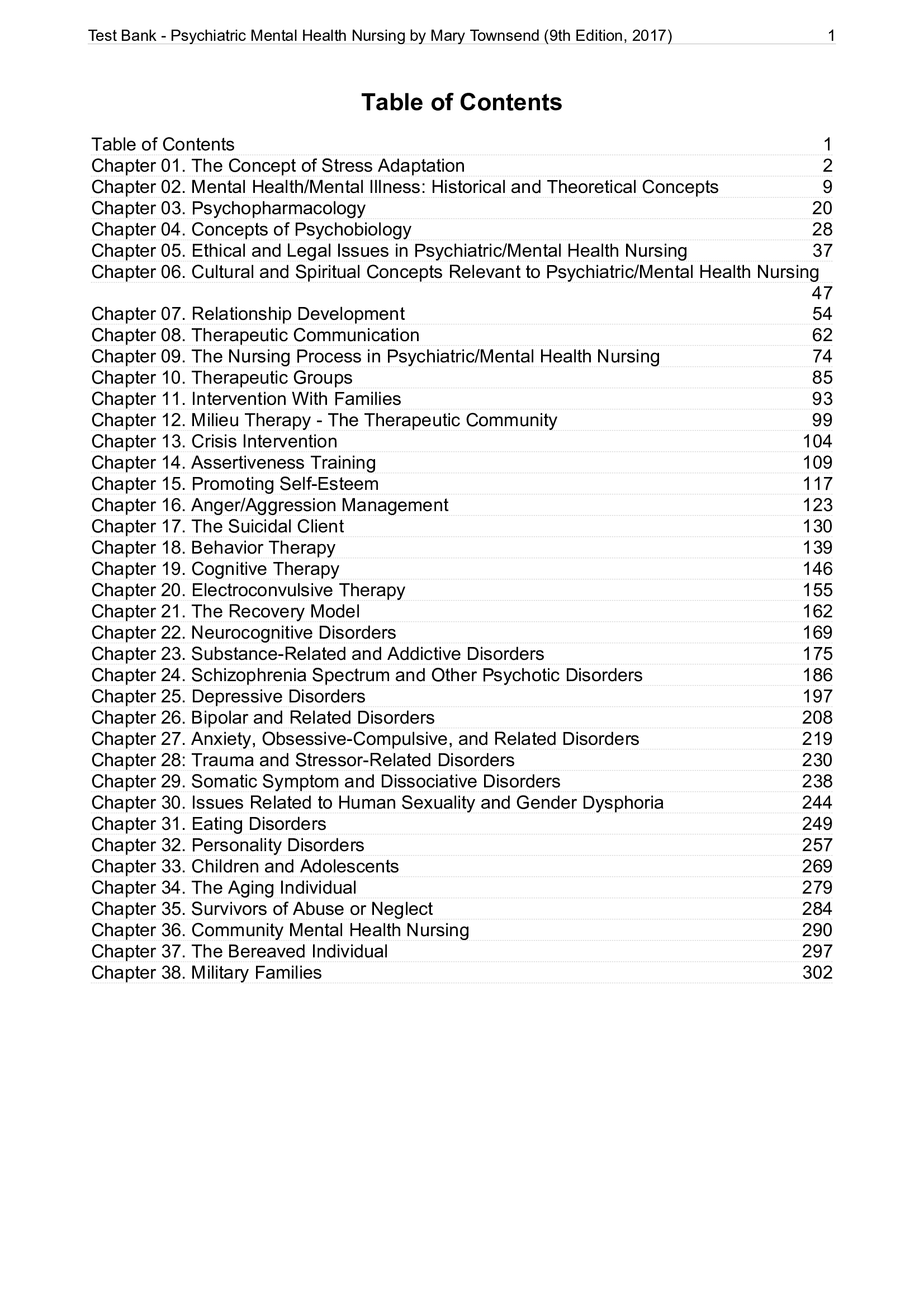
Table of Contents for Townsend Test Bank

Chapter

Title

Chapter

Title

Chapter 01

The Concept of Stress Adaptation

Chapter 20

Electroconvulsive Therapy

Chapter 02

Mental Health/Mental Illness: Historical and Theoretical Concepts

Chapter 21

The Recovery Model

Chapter 03

Psychopharmacology

Chapter 22

Neurocognitive Disorders

Chapter 04

Concepts of Psychobiology

Chapter 23

Substance-Related and Addictive Disorders

Chapter 05

Ethical and Legal Issues in Psychiatric/Mental Health Nursing

Chapter 24

Schizophrenia Spectrum and Other Psychotic Disorders

Chapter 06

Cultural and Spiritual Concepts Relevant to Psychiatric/Mental Health Nursing

Chapter 25

Depressive Disorders

Chapter 07

Relationship Development

Chapter 26

Bipolar and Related Disorders

Chapter 08

Therapeutic Communication

Chapter 27

Anxiety, Obsessive-Compulsive, and Related Disorders

Chapter 09

The Nursing Process in Psychiatric/Mental Health Nursing

Chapter 28

Trauma and Stressor-Related Disorders

Chapter 10

Therapeutic Groups

Chapter 29

Somatic Symptom and Dissociative Disorders

Chapter 11

Intervention With Families

Chapter 30

Issues Related to Human Sexuality and Gender Dysphoria

Chapter 12

Milieu Therapy: The Therapeutic Community

Chapter 31

Eating Disorders

Chapter 13

Crisis Intervention

Chapter 32

Personality Disorders

Chapter 14

Assertiveness Training

Chapter 33

Children and Adolescents

Chapter 15

Promoting Self-Esteem

Chapter 34

The Aging Individual

Chapter 16

Anger/Aggression Management

Chapter 35

Survivors of Abuse or Neglect

Chapter 17

The Suicidal Client

Chapter 36

Community Mental Health Nursing

Chapter 18

Behavior Therapy

Chapter 37

The Bereaved Individual

Chapter 19

Cognitive Therapy

Chapter 38

Military Families


Chapter 03. Psychopharmacology Test Bank Free Sample Questions 

Multiple Choice

1. The nurse manager on the psychiatric unit was explaining to the new staff the differences between typical and atypical antipsychotics. The nurse correctly states that atypical antipsychotics:

A. Remain in the system longer

B. Act more quickly to reduce delusions

C. Produce fewer extrapyramidal effects

D. Are risk free for neuroleptic malignant syndrome (NMS)

ANS: C

Atypical antipsychotics produce less D2blockade; thus movement disorders are less of a problem. No evidence suggests that the medication remains in the system longer nor that it acts more quicklyto reduce delusions. The atypicals are not risk free for NMS.

KEY: Cognitive Level: Application | Integrated Processes: Nursing Process: Implementation | Client Need:

Physiological Integrity: Pharmacological and Parenteral Therapies

2. The nurse would assess for neuroleptic malignant syndrome (NMS) if a patient on haloperidol (Haldol)

develops a:

A. 30 mm Hg decrease in blood pressure reading B. Respiratory rate of 24 respirations per minute C. Temperature reading of 104° F

D. Pulse rate of 70 beats per minute

ANS: C

Increased temperature is the cardinal sign of NMS. This BP is not a significant feature of NMS. There are no significant findings to support the options related to respirations or pulse rate.

KEY: Cognitive Level: Application | Integrated Processes: Nursing Process: Assessment | Client Need:

Physiological Integrity: Pharmacological and Parenteral Therapies

3. A patient taking fluphenazine (Prolixin) complains of dry mouth and blurred vision. What would the nurse assess as the likely cause of these symptoms?

A. Decreased dopamine at receptor sites

B. Blockade of histamine C. Cholinergic blockade D. Adrenergic blocking ANS: C

Fluphenazine administration produces blockade of cholinergic receptors giving rise to anticholinergic effects, such as dry mouth, blurred vision, and constipation.

KEY: Cognitive Level: Application | Integrated Processes: Nursing Process: Assessment | Client Need:

Physiological Integrity: Pharmacological and Parenteral Therapies

4. Which behavior displayed by a patient receiving a typical antipsychotic medication would be assessed as displaying behaviors characteristic of tardive dyskinesia (TD)?

A. Grimacing and lip smacking

B. Falling asleep in the chair and refusing to eat lunch

C. Experiencing muscle rigidity and tremors D. Having excessive salivation and drooling ANS: A

TD manifests as abnormal movements of voluntary muscle groups after a prolonged period of dopamine blockade. Movements may affect any muscle group, but muscles of the face, mouth, tongue, and digits are commonly affected. Falling asleep is reflective of the sedative effect of these medications. Muscle rigidity and drooling reflect EPS caused from imbalance between dopamine and acetylcholine.

KEY: Cognitive Level: Application | Integrated Processes: Nursing Process: Assessment | Client Need:

Physiological Integrity: Pharmacological and Parenteral Therapies

5. A nurse administers a medication that potentiates the action of GABA. Which finding would be expected? A. Reduced anxiety

B. Improved memory

C. More organized thinking

D. Fewer sensory perceptual alterations

ANS: A

Increased levels of GABA reduce anxiety, thus any potentiation of GABA action should result in anxiety reduction. Memory enhancement is associated with acetylcholine and substance P. Thought disorganization is associated with dopamine. GABA is not associated with sensory perceptual alterations.

KEY: Cognitive Level: Application | Integrated Processes: Nursing Process: Evaluation | Client Need:

Physiological Integrity: Pharmacological and Parenteral Therapies

6. On the basis of current knowledge of neurotransmitter effects, a nurse could anticipate that the treatment plan for a patient with memory difficulties might include medications designed to:

A. inhibit GABA.

B. increase dopamine at receptor sites. C. decrease dopamine at receptor sites. D. prevent destruction of acetylcholine. ANS: D

Increased acetylcholine plays a role in learning and memory. Preventing destruction of acetylcholine by acetylcholinesterase would result in higher levels of acetylcholine, with the potential for improved memory. GABA is known to affect anxiety level rather than memory. Increased dopamine would cause symptoms associated with schizophrenia or mania rather than improve memory. Decreasing dopamine at receptor sites is associated with Parkinson’s disease rather than improving memory.

KEY: Cognitive Level: Comprehension | Integrated Processes: Nursing Process: Planning | Client Need:

Physiological Integrity: Pharmacological and Parenteral Therapies

7. A patient has disorganized thinking associated with schizophrenia. A PET scan would most likely show dysfunction in which part of the brain?

A. Temporal lobe

B. Cerebellum

C. Brainstem

D. Frontal lobe

ANS: D

The frontal lobe is responsible for intellectual functioning. The temporal lobe is responsible for the sensation of hearing. The cerebellum regulates skeletal muscle coordination and equilibrium. The brainstem regulates internal organs.

KEY: Cognitive Level: Application | Integrated Processes: Nursing Process: Assessment | Client Need:

Physiological Integrity: Pharmacological and Parenteral Therapies

8. A nurse should assess a patient taking a drug with anticholinergic properties for inhibited function of the: A. parasympathetic nervous system.

B. sympathetic nervous system. C. reticular activating system. D. medulla oblongata.

ANS: A

Acetylcholine is the neurotransmitter found in high concentration in the parasympathetic nervous system. When acetylcholine action is inhibited by anticholinergic drugs, parasympathetic symptoms such as blurred vision, dry mouth, constipation, and urinary retention appear. The functions of the sympathetic nervous system the reticular activating system, and the medulla oblongata are not affected by anticholinergics.

KEY: Cognitive Level: Comprehension | Integrated Processes: Nursing Process: Assessment | Client Need:

Physiological Integrity: Pharmacological and Parenteral Therapies

9. The therapeutic action of monoamine oxidase inhibitors (MAOIs) blocks neurotransmitter reuptake, causing:

A. increased concentration of neurotransmitter in the synaptic gap. B. decreased concentration of neurotransmitter in the synaptic gap. C. destruction of receptor sites.

D. limbic system stimulation.

ANS: A

If the reuptake of a substance is inhibited, it accumulates in the synaptic gap and its concentration increases, permitting ease of transmission of impulses across the synaptic gap. Normal transmission of impulses across synaptic gaps is consistent with normal rather than depressed mood. The other options are not associated with blocking neurotransmitter reuptake.

KEY: Cognitive Level: Comprehension | Integrated Processes: Nursing Process: Implementation | Client

Need: Physiological Integrity: Pharmacological and Parenteral Therapies

10. A patient taking medication for mental illness develops restlessness and an uncontrollable need to be in motion. A nurse can correctly analyze that these symptoms are related to which drug action?

A. Dopamine-blocking effects

B. Anticholinergic effects

C. Endocrine-stimulating effects

D. Ability to stimulate spinal nerves

ANS: A

Medication that blocks dopamine often produces disturbances of movement such as akathisia because dopamine affects neurons involved in both thought processes and movement regulation. Anticholinergic effects include dry mouth, blurred vision, urinary retention, and constipation. Akathisia is not caused by endocrine stimulation or spinal nerve stimulation.

KEY: Cognitive Level: Application | Integrated Processes: Nursing Process: Assessment | Client Need:

Physiological Integrity: Pharmacological and Parenteral Therapies

11. A nurse assesses that a patient demonstrates anxiety, increased heart rate, and fear. The nurse would suspect the presence of a high concentration of which neurotransmitter?

A. GABA

B. Histamine

C. Acetylcholine D. Norepinephrine ANS: D

Norepinephrine is the neurotransmitter associated with sympathetic nervous system stimulation, preparing the individual for “fight or flight.” GABA is a mediator of anxiety level. A high concentration of histamine is associated with an inflammatory response. A high concentration of acetylcholine is associated with parasympathetic nervous system stimulation.

KEY: Cognitive Level: Application | Integrated Processes: Nursing Process: Assessment | Client Need:

Physiological Integrity: Pharmacological and Parenteral Therapies

12. A patient has symptoms of acute anxiety related to the death of a parent in an automobile accident 2 hours ago. The patient will need teaching about a drug from which group?

A. Tricyclic antidepressants

B. Antimanic drugs

C. Benzodiazepines

D. Antipsychotic drugs

ANS: C

Benzodiazepines provide anxiety relief. Tricyclic antidepressants are used to treat symptoms of depression. Antimanic drugs are used to treat bipolar disorder. Antipsychotic drugs are used to treat psychosis.

KEY: Cognitive Level: Application | Integrated Processes: Nursing Process: Planning | Client Need:

Physiological Integrity: Pharmacological and Parenteral Therapies

13. A patient is hospitalized for severe depression. Of the medications listed below, a nurse can expect to provide the patient with teaching about:

A. clozapine (Clozaril)

B. chlordiazepoxide (Librium) C. tacrine (Cognex)

D. fluoxetine (Prozac)

ANS: D

Fluoxetine is an SSRI. It is an antidepressant that blocks the reuptake of serotonin with few anticholinergic and sedating side effects. Clozapine is an antipsychotic. Chlordiazepoxide is an anxiolytic. Tacrine is used to treat Alzheimer’s disease.

KEY: Cognitive Level: Application | Integrated Processes: Nursing Process: Planning | Client Need:

Physiological Integrity: Pharmacological and Parenteral Therapies

14. A patient hospitalized with a mood disorder has an elevated unstable mood, aggressiveness, agitation, talkativeness, and irritability. A nurse begins care planning based on the expectation that the health care provider is most likely to prescribe a medication classified as a(n):

A. anticholinergic. B. mood stabilizer C. psychostimulant D. antidepressant ANS: B

The symptoms describe a manic attack. Mania is effectively treated by the antimanic drug lithium and selected anticonvulsants such as carbamazepine, valproic acid, and lamotrigine. No drugs from the other classifications listed are effective in the treatment of mania.

KEY: Cognitive Level: Application | Integrated Processes: Nursing Process: Planning | Client Need:

Physiological Integrity: Pharmacological and Parenteral Therapies

15. A drug causes muscarinic receptor blockade. A nurse will assess the patient for: A. gynecomastia

B. pseudoparkinsonism

C. orthostatic hypotension

D. dry mouth

ANS: D

Muscarinic receptor blockade includes atropine-like side effects such as dry mouth, blurred vision, and constipation. Gynecomastia is associated with decreased prolactin levels. Movement defects are associated with dopamine blockade. Orthostatic hypotension is associated with alpha-1 antagonism.

KEY: Cognitive Level: Application | Integrated Processes: Nursing Process: Assessment | Client Need:

Physiological Integrity: Pharmacological and Parenteral Therapies

16. A patient tells a nurse, "My doctor prescribed Paxil [paroxetine] for my depression. I suppose I’ll have side effects like I had when I was taking Tofranil [imipramine]." The nurse’s reply should be based on the knowledge that paroxetine is a(n):

A. tricyclic antidepressant

B. MAOI

C. selective serotonin reuptake inhibitor

D. selective norepinephrine reuptake inhibitor

ANS: C

Paroxetine is a selective serotonin reuptake inhibitor and will not produce the same side effects as imipramine, a tricyclic antidepressant. The patient will probably not experience dry mouth, constipation, or orthostatic hypotension.

KEY: Cognitive Level: Comprehension | Integrated Processes: Nursing Process: Implementation | Client

Need: Physiological Integrity: Pharmacological and Parenteral Therapies

17. A nurse can anticipate anticholinergic side effects are likely when a patient is taking: A. lithium (Lithobid).

B. isperidone (Risperdal). C. buspirone (BuSpar).

D. fluphenazine (Prolixin).

ANS: D

Fluphenazine, a first-generation antipsychotic, exerts muscarinic blockade, resulting in dry mouth, blurred vision, constipation, and urinary retention. Lithium therapy is more often associated with fluid balance problems, including polydipsia, polyuria, and edema. Risperidone therapy is more often associated with movement disorders, orthostatic hypotension, and sedation. Buspirone is associated with anxiety reduction without major side effects.

KEY: Cognitive Level: Application | Integrated Processes: Nursing Process: Planning | Client Need:

Physiological Integrity: Pharmacological and Parenteral Therapies

18. A nurse instructs a patient taking a drug that inhibits monoamine oxidase (MAO) to avoid certain foods and drugs because of the risk of:

A. hypotensive shock. B. hypertensive crisis. C. cardiac dysrhythmia. D. cardiogenic shock ANS: B

Patients taking MAO-inhibiting drugs must be on a tyramine-free diet to prevent hypertensive crisis. In the presence of MAOIs, tyramine is not destroyed by the liver and in high levels produces intense vasoconstriction, resulting in elevated blood pressure.

KEY: Cognitive Level: Comprehension | Integrated Processes: Nursing Process: Planning | Client Need:

Physiological Integrity: Pharmacological and Parenteral Therapies


Contact the Seller

Please Sign In to contact this seller.


  • 👎  Report Copyright Violation

Frequently Asked Questions

What Do I Get When I Buy This Study Material?

+

When you buy a study material on Passing Grades, an instant download link will be sent directly to your email, giving you access to the file anytime after payment is completed.

Is Passing Grades a Trusted Platform?

+

Yes, Passing Grades is a reputable students’ marketplace with a secure payment system and reliable customer support. You can trust us to ensure a safe and seamless transaction experience.

Will I Be Stuck with a Subscription?

+

No, all purchases on Passing Grades are one-time transactions. You only pay for the notes you choose to buy, with no subscriptions or hidden fees attached.

Who Am I Buying These Study Materials From?

+

Passing Grades is a marketplace, which means you are purchasing the document from an individual vendor, not directly from us. We facilitate the payment and delivery process between you and the vendor.

Does Passing Grades Offer Free Study Materials?

+

Yes, sellers on Passing Grades have uploaded numerous free test banks, exams, practice questions, and class notes that can be downloaded at no cost.


Pasinggrades - Quality Study Materials

USD 15

    • Quality checked by Pasing Grades
    • 100% satisfaction guarantee
    • Seller: studypal
Buy PDF $15

Seller Information

studypal

Member since December 2021

  • icon
  • icon
View Profile
  • total sales

    0
  • Favourites

    0
  • Comments

    0
    ( 0 Ratings )

Item Information

  • Uploaded

    31 January 2022

  • Updated

    17 October 2025

  • Category

    Nursing

  • Item Type

    test bank

  • Tags

    Test Bank for Psychiatric Mental Health Nursing by Mary Townsend 9th Edition test bank psych mental health nursing Townsend test bank psychiatric nursing questions mental health exam prep NCLEX psychiatric nursing nursing multiple choice questions psychotropic medications nursing clinical scenarios DSM 5 disorders nursing therapeutic communication nursing

Related Exam Prep Guides by studypal

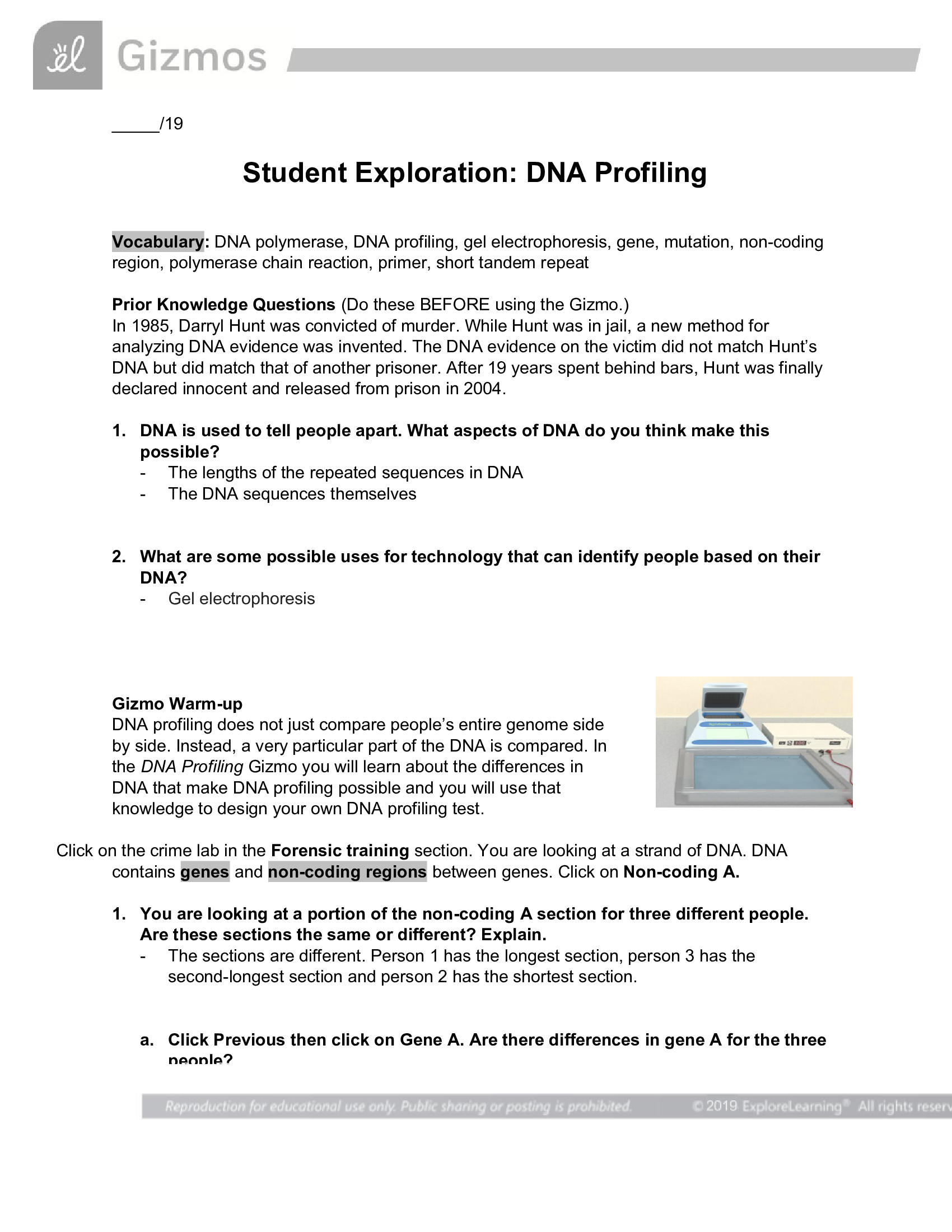
Gizmos - Student Exploration: DNA Profiling Answer key.
View Document

Gizmos - Student Exp...

  • studypal

    studypal

  • test bank

Find comprehensive answers with the Gizmos Student Exploration: DNA Profiling Answer Key. Perfect fo...

15 USD

0

0

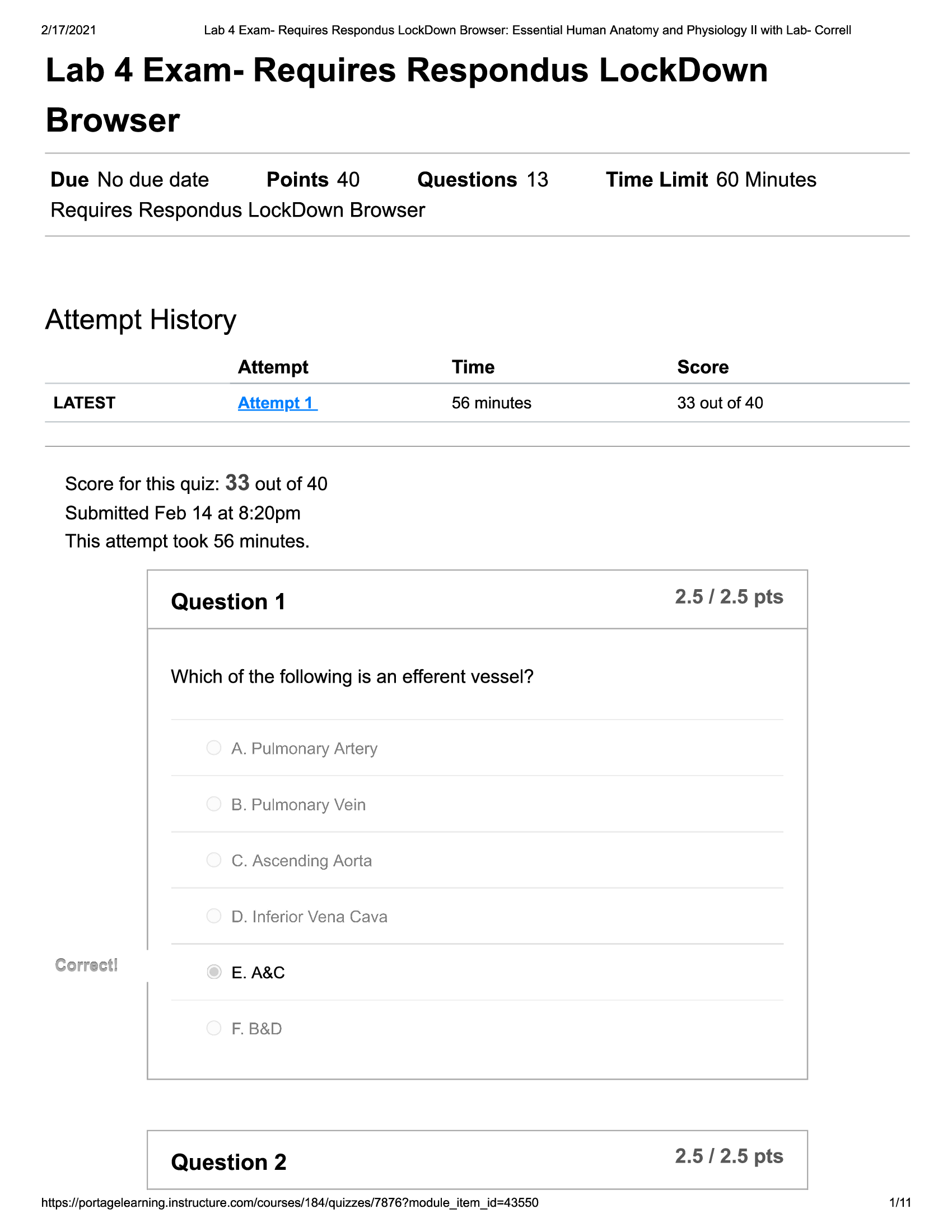
BIOD 152 Module 1 Exam- Portage Learning
View Document

BIOD 152 Module 1 Ex...

  • studypal

    studypal

  • test bank

BIOD 152 Module 1 Exam- Portage Learning...

15 USD

0

0

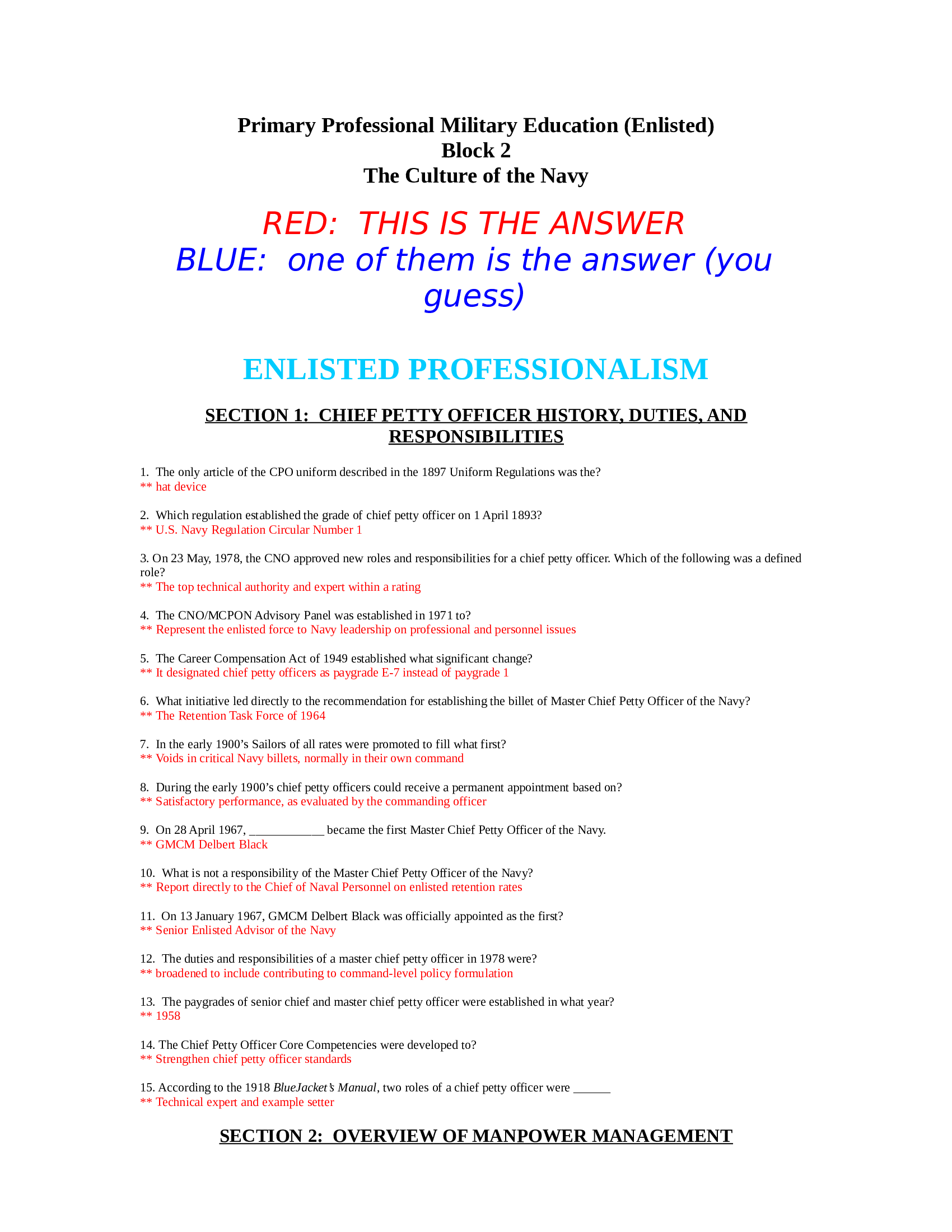
Primary Professional Military Education (Enlisted) Block 1 to 7, PPME Block 1-7 TEST BANK
View Document

Primary Professional...

  • studypal

    studypal

  • test bank

Primary Professional Military Education (Enlisted) Block 1 to 7, PPME Block 1-7 TEST BANK...

15 USD

0

0

Purchase

Download link will be sent to this email immediately after purchase.

IMPORTANT LINKS

  • How To Upload Class Notes
  • Selling Tips
  • Passing Grades's Study Materials
  • Scholarships for International Students 2026

POPULAR CATEGORIES

  • Law
  • Accounting
  • English
  • Psychology
  • Business
  • Nursing
  • Computer Science
  • General

View Document

  • Blog
  • Contact
  • Delivery Policy
  • Latest Scholarships Around the World
  • How to Pass Bar Exams: Passing Grades’ Strategies
  • How to Study and Pass the CPA Exam
  • All Test Banks
  • Faq
  • Copyright Claims
  • Privacy Policy
  • Terms of Use

KNOWLEDGE BASE

  • How to Write A+ Grade Good Research Paper
  • How to Manage Stress During Exam Period
  • Best Time to Study
  • How to Pass NCLEX-RN Exam
  • How To Effectively Utilize Test Banks
  • Popular Shadow Health Exam Assessments
  • Popular HESI Case Studies
  • How to Prepare for a Nursing Career
  • The Importance Of Summaries in Exam Revisvion

© 2026 Pasing Grades. All rights reserved.