
Pasing Grades
  • Start Selling
  • Blog
  • Contact
  • 0

    Your cart is empty!

English

  • English
  • Spanish
  • Arabic
Create Account Sign In
  • Library
    • New Prep Guides
    • Featured Prep Guides
    • Free Exam Prep Guides
    • Best sellers
  • General
  • Nursing
    • Research Paper
    • Case Study
    • Discussion Post
    • Assignment
    • Exam
    • Practice Questions and Answers
    • Test Bank
    • solutions manual
  • Accounting
    • Case Study
    • Thesis
    • Study Guide
    • Summary
    • Research Paper
    • test bank
  • English
    • Creative Writing
    • Research Paper
    • Summary
    • Rhetorics
    • Literature
    • Journal
    • Exam
    • Grammar
    • Discussion Post
    • Essay
  • Psychology
    • Hesi
    • Presentation
    • Essay
    • Summary
    • Study Guide
    • Essay
    • Solution Manual
    • Final Exam Review
    • Class Notes
    • test bank
  • Business
    • Lecture Notes
    • Solution Manual
    • Presentation
    • Business Plan
    • Class Notes
    • Experiment
    • Summary
    • Practice Questions
    • Study Guide
    • Case Study
    • test bank
    • Exam
  • More
    • Computer Science
    • Economics
    • Statistics
    • Engineering
    • Biology
    • Religious Studies
    • Physics
    • Chemistry
    • Mathematics
    • History
    • Sociology
    • Science
    • Philosophy
    • Law
  • Pages
    • About Us
    • Selling Tips
    • Delivery Policy
    • Faq
    • Privacy Policy
  • Flash Sale
  • Home
  • Test Bank for Wongs Nursing Care of Infants and Children 12th Edition Hockenberry

Test Bank for Wongs Nursing Care of Infants and Children 12th Edition Hockenberry

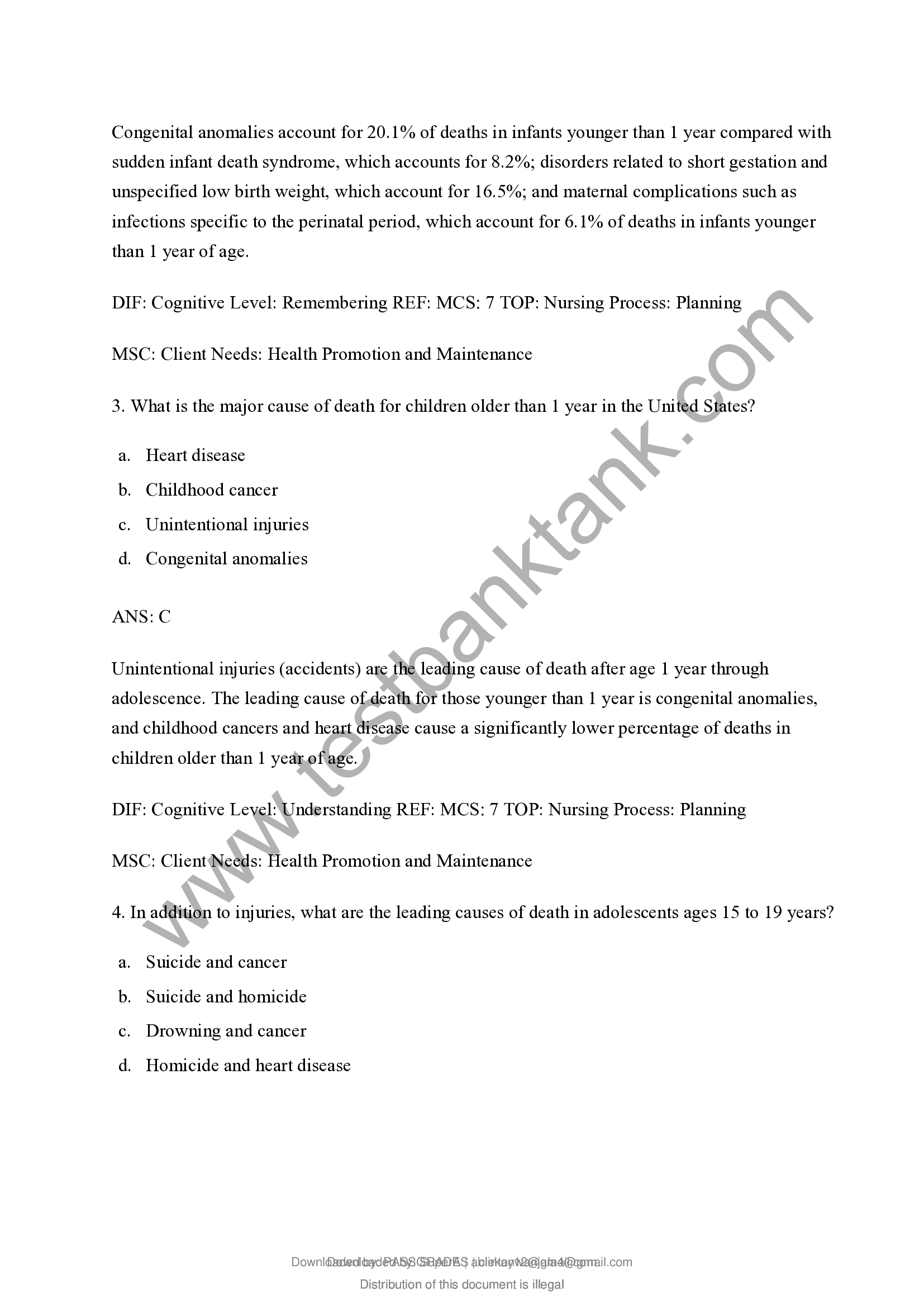
Preview page 1 Preview page 2 Preview page 3
Add To Favorites

Share this item Share this item

  • Item Details
  • Comments (0)
  • Reviews (0)
  • Contact Seller

Test Bank for Wongs Nursing Care of Infants and Children 12th Edition Hockenberry Chapter 01: Perspectives of Pediatric Nursing Hockenberry: Wong’s Nursing Care of Infants and Children, 12th Edition MULTIPLE CHOICE 1. What is the major cause of death for children in the United States? a. Heart disease b. Childhood cancer c. Injuries d. Congenital anomalies ANS: C Unintentional injuries (accidents) are the leading cause of death after age 1 year through adolescence. The leading cause of death for those younger than 1 year is congenital anomalies, and childhood cancers and heart disease cause a significantly lower percentage of deaths in children older than 1 year of age. DIF: Cognitive Level: Understanding TOP: Nursing Process: Planning MSC: Client Needs: Health Promotion and Maintenance 2. Parents of a hospitalized toddler ask the nurse, “What is meant by family-centered care?” The nurse should respond with which statement? a. Family-centered care reduces the effect of cultural diversity on the family. b. Family-centered care encourages family dependence on the health care system. c. Family-centered care recognizes that the family is the constant in a child’s life. d. Family-centered care avoids expecting families to be part of the decision-making process. ANS: C The three key components of family-centered care are respect, collaboration, and support. Family-centered care recognizes the family as the constant in the child’s life. The family should be enabled and empowered to work with the health care system and is expected to be part of the decision-making process. The nurse should also support the family’s cultural diversity, not reduce its effect. DIF: Cognitive Level: Applying TOP: Nursing Process: Implementation MSC: Client Needs: Health Promotion and Maintenance 3. Evidence-based practice (EBP), a decision-making model, is best described as which? a. Using information in textbooks to guide care b. Combining knowledge with clinical experience and intuition c. Using a professional code of ethics as a means for decision making d. Gathering all evidence that applies to the child’s health and family situation ANS: B EBP helps focus on measurable outcomes; the use of demonstrated, effective interventions; and questioning the best approach. EBP involves decision making based on the integration of the best research evidence combined with clinical expertise and patient values. DIF: Cognitive Level: Remembering TOP: Nursing Process: Planning MSC: Client Needs: Safe and Effective Care Environment 4. The nurse is talking to a group of parents of school-age children at an after-school program about childhood health problems. Which statement should the nurse include in the teaching? a. Childhood obesity is the most common nutritional problem among children. b. Immunization rates are the same among children of different races and ethnicity. c. Dental caries is not a problem commonly seen in children since the introduction of fluorinated water. d. Mental health problems are typically not seen in school-age children but may be diagnosed in adolescents. ANS: A When teaching parents of school-age children about childhood health problems, the nurse should include information about childhood obesity because it is the most common problem among children and is associated with type 2 diabetes. Teaching parents about ways to prevent obesity is important to include. Immunization rates differ depending on the child’s race and ethnicity; dental caries continues to be a common chronic disease in childhood; and mental health problems are seen in children as young as school age, not just in adolescents. DIF: Cognitive Level: Applying TOP: Integrated Process: Teaching/Learning MSC: Client Needs: Health Promotion and Maintenance 5. The nurse is planning care for a hospitalized preschool-aged child. Which should the nurse plan to ensure atraumatic care? a. Limit explanation of procedures because the child is preschool aged. b. Ask that all family members leave the room when performing procedures. c. Allow the child to choose the type of juice to drink with the administration of oral medications. d. Explain that EMLA cream cannot be used for the morning lab draw because there is not time for it to be effective. ANS: C The overriding goal in providing atraumatic care is first, do no harm. Allowing the child, a choice of juice to drink when taking oral medications provides the child with a sense of control. The preschool child should be prepared before procedures, so limiting explanations of procedures would increase anxiety. The family should be allowed to stay with the child during procedures, minimizing stress. Lidocaine/prilocaine (EMLA) cream is a topical local anesthetic. The nurse should plan to use the prescribed cream in time for morning laboratory draws to minimize pain. DIF: Cognitive Level: Applying TOP: Nursing Process: Planning MSC: Client Needs: Health Promotion and Maintenance 6. Which situation denotes a nontherapeutic nurse–patient–family relationship? a. The nurse is planning to read a favorite fairy tale to a patient. b. During shift report, the nurse is criticizing parents for not visiting their child. c. The nurse is discussing with a fellow nurse the emotional draw to a certain patient. d. The nurse is working with a family to find ways to decrease the family’s dependence on health care providers. ANS: B Criticizing parents for not visiting in shift report is nontherapeutic and shows an under involvement with the parents. Reading a fairy tale is a therapeutic and age-appropriate action. Discussing feelings of an emotional draw with a fellow nurse is therapeutic and shows a willingness to understand feelings. Working with parents to decrease dependence on health care providers is therapeutic and helps to empower the family. DIF: Cognitive Level: Analyzing TOP: Integrated Process: Caring MSC: Client Needs: Psychosocial Integrity 7. The nurse is aware that which age-group is at risk for childhood injury because of the cognitive characteristic of magical and egocentric thinking? a. Preschool b. Young school age c. Middle school age d. Adolescent ANS: A Preschool children have the cognitive characteristic of magical and egocentric thinking, meaning they are unable to comprehend danger to self or others. Young and middle school-aged children have transitional cognitive processes, and they may attempt dangerous acts without detailed planning but recognize danger to themselves or others. Adolescents have formal operational cognitive processes and are preoccupied with abstract thinking. DIF: Cognitive Level: Understanding TOP: Nursing Process: Assessment MSC: Client Needs: Safe and Effective Care Environment 8. The school nurse is assessing children for risk factors related to childhood injuries. Which child has the most risk factors related to childhood injury? a. Female, multiple siblings, stable home life b. Male, high activity level, stressful home life c. Male, even tempered, history of previous injuries d. Female, reacts negatively to new situations, no serious previous injuries ANS: B Boys have a preponderance for injuries over girls because of a difference in behavioral characteristics, a high activity temperament is associated with risk-taking behaviors, and stress predisposes children to increased risk taking and self-destructive behaviors. Therefore, a male child with a high activity level and living in a stressful environment has the highest number of risk factors. A girl with several siblings and a stable home life is low risk. A boy with previous injuries has two risk factors, but an even temper is not a risk factor for injuries. A girl who reacts negatively to new situations but has no previous serious illnesses has only one risk factor. DIF: Cognitive Level: Analyzing TOP: Nursing Process: Assessment MSC: Client Needs: Safe and Effective Care Environment 9. An adolescent patient wants to make decisions about treatment options, along with his parents. Which moral value is the nurse displaying when supporting the adolescent to make decisions? a. Justice b. Autonomy c. Beneficence d. Nonmaleficence ANS: B Autonomy is the patient’s right to be self-governing. The adolescent is trying to be autonomous, so the nurse is supporting this value. Justice is the concept of fairness. Beneficence is the obligation to promote the patient’s well-being. Nonmaleficence is the obligation to minimize or prevent harm. DIF: Cognitive Level: Analyzing TOP: Nursing Process: Evaluation MSC: Client Needs: Health Promotion and Maintenance MULTIPLE RESPONSE 1. Which responsibilities are included in the pediatric nurse’s promotion of the health and well-being of children? (Select all that apply.) a. Promoting disease prevention b. Providing financial assistance c. Providing support and counseling d. Establishing lifelong friendships e. Establishing a therapeutic relationship f. Participating in ethical decision making ANS: A, C, E, F The pediatric nurse’s role includes promoting disease prevention, providing support and counseling, establishing a therapeutic relationship, and participating in ethical decision making; a pediatric nurse does not need to establish lifelong friendships or provide financial assistance to children and their families. Boundaries should be set and clear. DIF: Cognitive Level: Applying TOP: Nursing Process: Planning MSC: Client Needs: Health Promotion and Maintenance 2. The nurse is conducting a teaching session for parents on nutrition. Which characteristics of families should the nurse consider, that can cause families to struggle in providing adequate nutrition? (Select all that apply.) a. Homelessness b. Lower income c. Migrant status d. Working parents e. Single parent status ANS: A, B, C Families that struggle with lower incomes, homelessness, and migrant status generally lack the resources to provide their children with adequate food intake, nutritious foods such as fresh fruits and vegetables, and appropriate protein intake. Working parents and single parent status do not mean the families will struggle to provide adequate nutrition. DIF: Cognitive Level: Applying TOP: Integrated Process: Teaching/Learning MSC: Client Needs: Health Promotion and Maintenance 3. The nurse is preparing to complete documentation on a patient’s chart. Which should be included in documentation of nursing care? (Select all that apply.) a. Reassessments b. Incident reports c. Initial assessments d. Nursing care provided e. Patient’s response of care provided ANS: A, C, D, E The patient’s medical record should include initial assessments, reassessments, nursing care provided, and the patient’s response of care provided. Incident reports are not documented in the patient’s chart. DIF: Cognitive Level: Applying TOP: Integrated Process: Communication and Documentation MSC: Client Needs: Safe and Effective Care Environment 4. Which actions by the nurse demonstrate over involvement with patients and their families? (Select all that apply.) a. Buying clothes for the patients b. Showing favoritism toward a patient c. Focusing on technical aspects of care d. Spending off-duty time with patients and families e. Asking questions if families are not participating in care ANS: A, B, D Actions that show over involvement include buying clothes for patients, showing favoritism toward a patient, and spending off-duty time with patients and families. Focusing on technical aspects of care is an action that indicates under involvement, and asking questions if families are not participating in care indicates a positive action. DIF: Cognitive Level: Analyzing TOP: Integrated Process: Caring MSC: Client Needs: Health Promotion and Maintenance 5. Which are included in the evaluation step of the nursing process? (Select all that apply.) a. Determination if the outcome has been met b. Ascertaining if the plan requires modification c. Establish priorities and selecting expected patient goals d. Selecting alternative interventions if the outcome has not been met e. Determining if a risk or actual dysfunctional health problem exists ANS: A, B, D Evaluation is the last step in the nursing process. The nurse gathers, sorts, and analyzes data to determine whether (1) the established outcome has been met, (2) the nursing interventions were appropriate, (3) the plan requires modification, or (4) other alternatives should be considered. Establishing priorities and selecting expected patient goals are done in the outcomes identification stage. Determining if a risk or actual dysfunctional health problem exists is done in the diagnosis stage of the nursing process. DIF: Cognitive Level: Understanding TOP: Nursing Process: Evaluation MSC: Client Needs: Health Promotion and Maintenance 6. Which should the nurse teach to parents regarding oral health of children? (Select all that apply.) a. Fluoridated water should be used. b. Early childhood caries is a preventable disease. c. Dental caries is a rare chronic disease of childhood. d. Dental hygiene should begin with the first tooth eruption. e. Childhood caries does not happen until after 2 years of age. ANS: A, B, D Oral health instructions to parents of children should include use of fluoridated water and dental hygiene beginning with the first tooth eruption. In addition, early childhood caries is a preventable disease and should be included in the teaching session. Dental caries is a common, not rare, chronic disease of childhood. Childhood caries may begin before the first birthday. DIF: Cognitive Level: Applying TOP: Integrated Process: Teaching/Learning MSC: Client Needs: Health Promotion and Maintenance 7. The school nurse is explaining to older school children that obesity increases the risk for which disorders? (Select all that apply.) a. Asthma b. Hypertension c. Dyslipidemia d. Irritable bowel disease e. Altered glucose metabolism ANS: B, C, E Overweight youth have increased risk for a cluster of cardiovascular factors that include hypertension, altered glucose metabolism, and dyslipidemia. Irritable bowel disease and asthma are not linked to obesity. DIF: Cognitive Level: Applying TOP: Integrated Process: Teaching/Learning MSC: Client Needs: Health Promotion and Maintenance 8. Which actions by the nurse demonstrate clinical reasoning? (Select all that apply.) a. Basing decisions on intuition b. Considering alternative action c. Using formal and informal thinking to gather data d. Giving deliberate thought to a patient’s problem e. Developing an outcome focused on optimum patient care ANS: B, C, D, E Clinical reasoning is a cognitive process that uses formal and informal thinking to gather and analyze patient data, evaluate the significance of the information, and consider alternative actions. Clinical reasoning is a complex developmental process based on rational and deliberate thought and developing an outcome focused on optimum patient care. Clinical reasoning is based on the scientific method of inquiry; it is not based solely on intuition. DIF: Cognitive Level: Applying TOP: Nursing Process: Evaluation MSC: Client Needs: Safe and Effective Care Environment COMPLETION 1. The nurse is determining if a newborn is classified in the low birth weight (LBW) category of less than 2500 g. The newborn’s weight is 5 pounds, 4 oz. What is the newborn’s weight in grams? Record your answer in a whole number. ANS: 2386 Convert the 4 oz to a decimal by dividing 4 by 16 = 0.25. Use 5.25 pounds and divide by 2.2 to get 2.386 kg. Multiply by 1000 to convert to grams = 2386. DIF: Cognitive Level: Applying TOP: Nursing Process: Implementation MSC: Client Needs: Health Promotion and Maintenance

Contact the Seller

Please Sign In to contact this seller.


  • 👎  Report Copyright Violation

Frequently Asked Questions

What Do I Get When I Buy This Study Material?

+

When you buy a study material on Passing Grades, an instant download link will be sent directly to your email, giving you access to the file anytime after payment is completed.

Is Passing Grades a Trusted Platform?

+

Yes, Passing Grades is a reputable students’ marketplace with a secure payment system and reliable customer support. You can trust us to ensure a safe and seamless transaction experience.

Will I Be Stuck with a Subscription?

+

No, all purchases on Passing Grades are one-time transactions. You only pay for the notes you choose to buy, with no subscriptions or hidden fees attached.

Who Am I Buying These Study Materials From?

+

Passing Grades is a marketplace, which means you are purchasing the document from an individual vendor, not directly from us. We facilitate the payment and delivery process between you and the vendor.

Does Passing Grades Offer Free Study Materials?

+

Yes, sellers on Passing Grades have uploaded numerous free test banks, exams, practice questions, and class notes that can be downloaded at no cost.

Pasinggrades - Quality Study Materials

USD 16

    • Quality checked by Pasing Grades
    • 100% satisfaction guarantee
    • Seller: Opati-Kaka
Buy PDF $16
icon This item was featured on Pasing Grades

Seller Information

Opati-Kaka

Member since June 2021

  • icon
  • icon
  • icon
View Profile
  • total sales

    0
  • Favourites

    0
  • Comments

    0
    ( 0 Ratings )

Item Information

  • Uploaded

    23 October 2023

  • Updated

    24 September 2024

  • Category

    Nursing

  • Item Type

    questions & answers

  • Tags

    Test Bank for Wongs Nursing Care of Infants and Children 12th Edition Hockenberry

Related Exam Prep Guides by Opati-Kaka

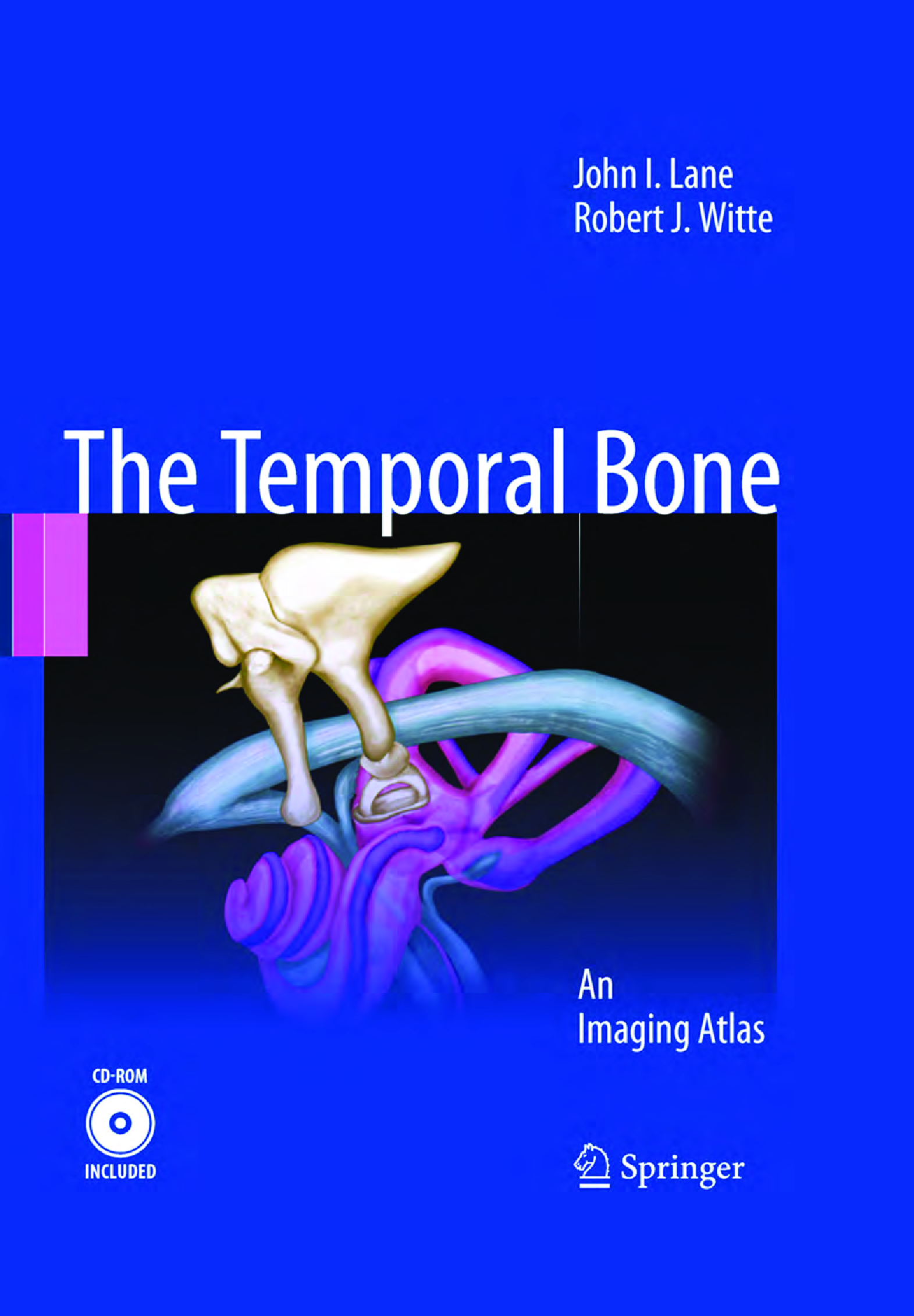
Temporal Bone: An Imaging Atlas Book by John I. Lane and Robert J. Witte
View Document

Temporal Bone: An Im...

  • Opati-Kaka

    Opati-Kaka

  • questions & answers

Imaging of the temporal bone has recently been advanced with multidetector CT and high-field MR imag...

16 USD

0

0

Test Bank For Human Anatomy & Physiology Laboratory Manual, Making Connections, Cat Version, 2nd Edition By Catharine C. Whiting
View Document

Test Bank For Human ...

  • Opati-Kaka

    Opati-Kaka

  • questions & answers

Test Bank For Human Anatomy & Physiology Laboratory Manual, Making Connections, Cat Version, 2nd Edi...

16 USD

0

0

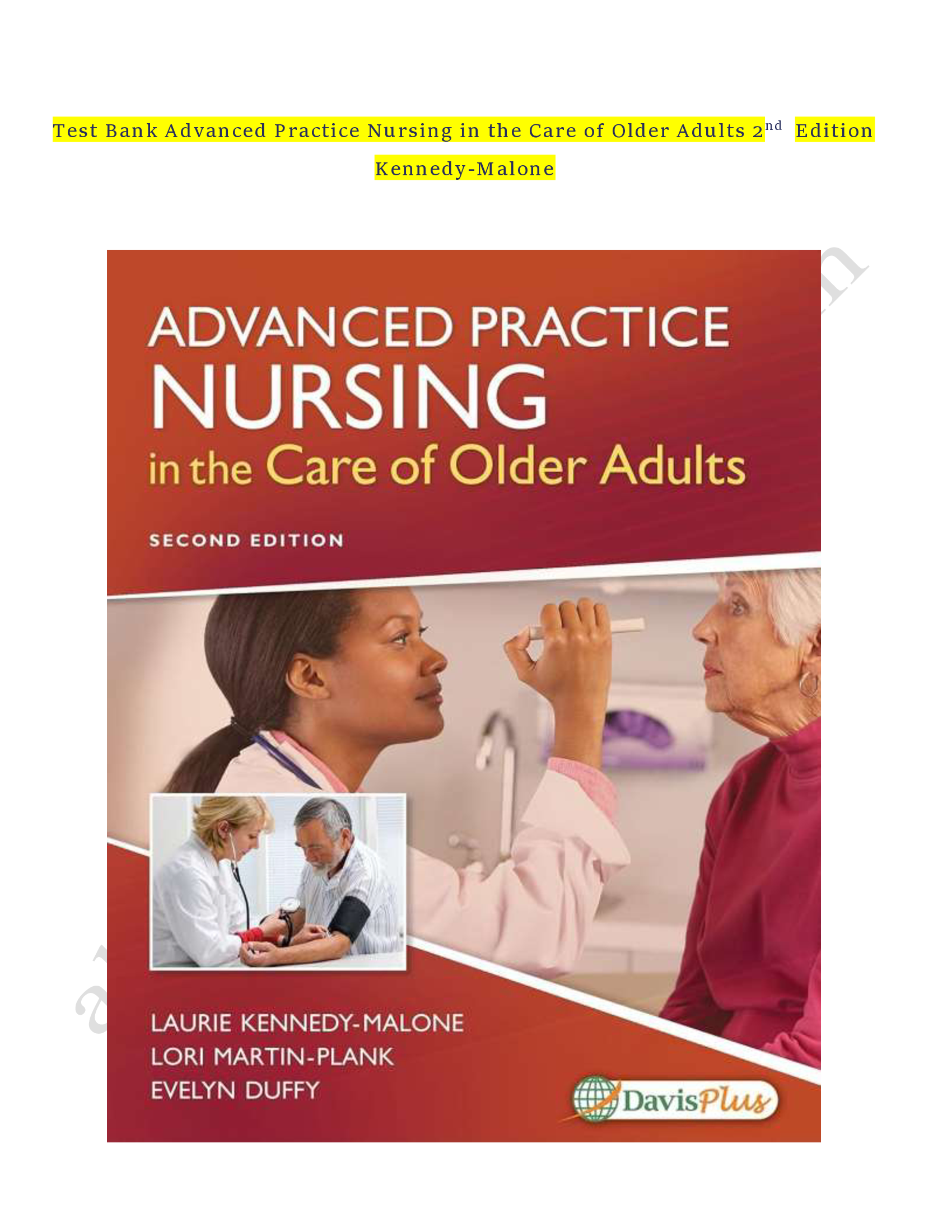
Test Bank For Mastering Competencies in Family Therapy 3rd Edition by Gehart
View Document

Test Bank For Master...

  • Opati-Kaka

    Opati-Kaka

  • questions & answers

Test Bank For Mastering Competencies in Family Therapy 3rd Edition by Gehart...

16 USD

0

0

Purchase

Download link will be sent to this email immediately after purchase.

IMPORTANT LINKS

  • How To Upload Class Notes
  • Selling Tips
  • Passing Grades's Study Materials
  • Scholarships for International Students 2025

POPULAR CATEGORIES

  • Law
  • Accounting
  • English
  • Psychology
  • Business
  • Nursing
  • Computer Science
  • General

View Document

  • Blog
  • Contact
  • Delivery Policy
  • Latest Scholarships Around the World
  • How to Pass Bar Exams: Passing Grades’ Strategies
  • How to Study and Pass the CPA Exam
  • All Test Banks
  • Faq
  • Copyright Claims
  • Privacy Policy
  • Terms of Use

KNOWLEDGE BASE

  • How to Write A+ Grade Good Research Paper
  • How to Manage Stress During Exam Period
  • Best Time to Study
  • How to Pass NCLEX-RN Exam
  • How To Effectively Utilize Test Banks
  • Popular Shadow Health Exam Assessments
  • Popular HESI Case Studies
  • How to Prepare for a Nursing Career
  • The Importance Of Summaries in Exam Revisvion

© 2026 Pasing Grades. All rights reserved.