

The primary role of a change agent in organizational change is facilitating change, improving the delivery of care and enhancing the team's performance. When it comes to change agents without formal authority, they operate without a formal position of power but still influence others and achieve desired objectives. Often, their influence is instigated through expertise, communication and collaboration, unlike formal leaders who have positional power (Ozmen, 2019). This paper takes an in-depth look into the similarities and differences between leadership theories and the role of the change agent who has leadership without authority.
Similarities between leadership theories and the change agent
Most of the leadership theories offer insight into the role of the change agent within an organization. Some of the most common elements between leadership theories and the role of a change agent encompass focus on influencing and guiding dedicated team members to achieve organizational goals, the importance of effective communication, and the need for adaptability in diverse settings.
Transformational Leadership Theory
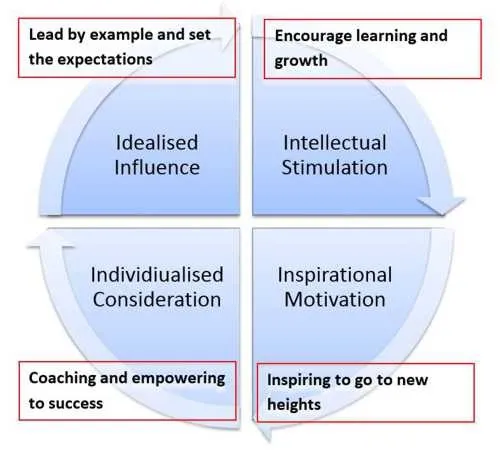
According to transformational leadership theory, good leaders are the ones who are able to drive innovation, motivate their followers and attain long-term success by supporting a culture of creativity and adaptability through the use of effective communication, empathy and visionary outlook (Ozmen, 2019). A major similarity between transformational leaders and change agents without authority is that they both focus on engaging team members, fostering trust and empowering their team to take ownership of the change process. Also, both these leaders put emphasis on the significance of having a shared vision, collaboration and building strong relationships.
Servant Leadership Theory
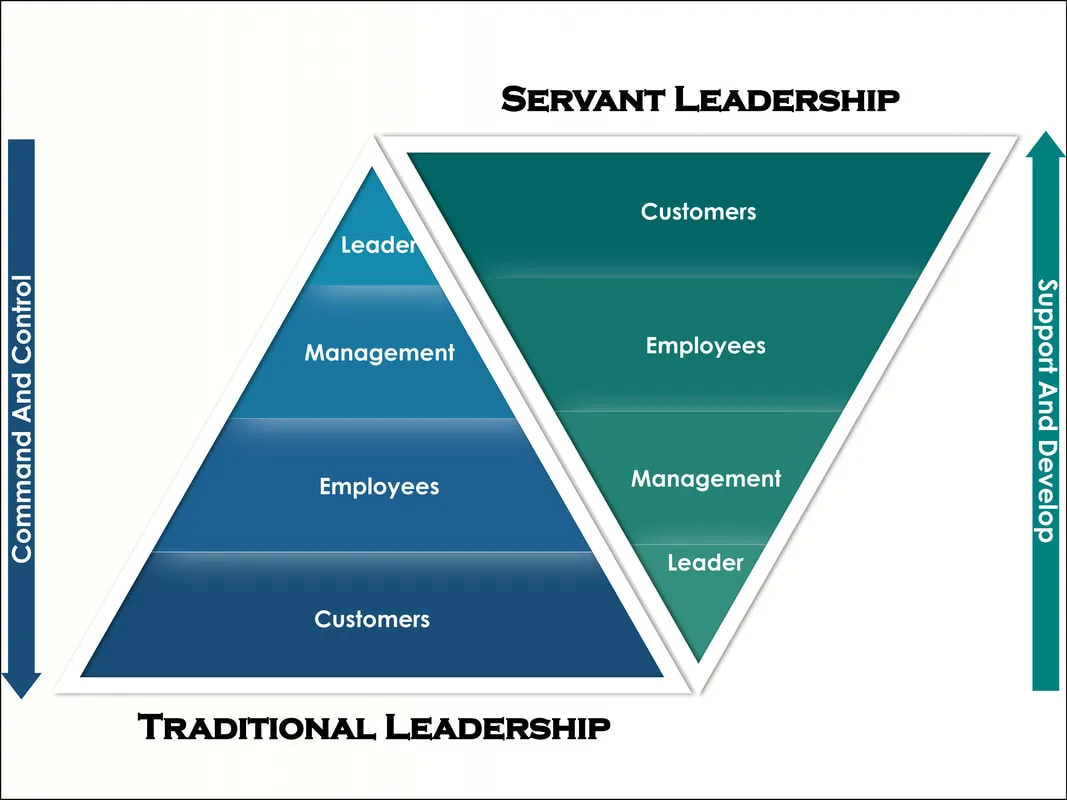
Servant leadership entails a style of leadership whereby the leader strives to serve their followers rather than gaining power with the intention of taking control. When someone is a servant leader, they put the needs and development of their followers first before their own Most of the change agents usually adopt this approach of leadership by focusing on empowering others and supporting the team in change implementation (Ozmen, 2019). Just like servant leaders, change agents also work towards ensuring the needs of the team are met before their own. They also ensure the success of the group or organization is attained by fostering a culture of shared decision-making and collaboration.
Situational Leadership Theory
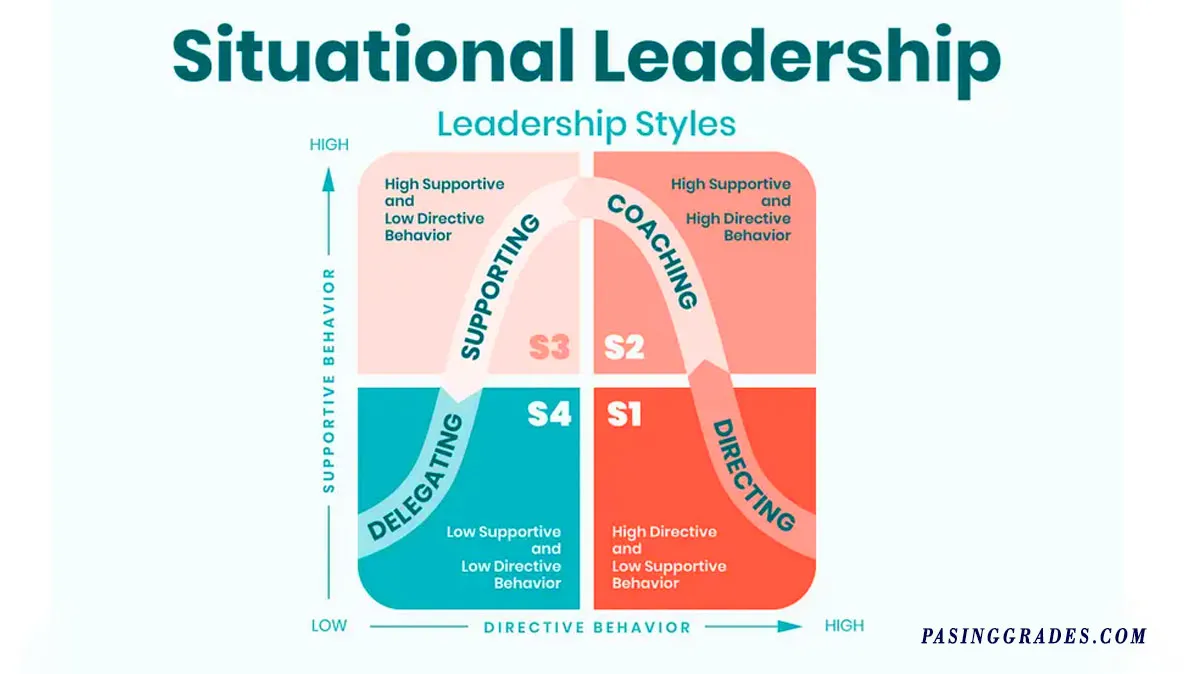
The situational leadership style is one that emphasizes the need for leaders to adapt their style of change based on the situation at hand and the nature of the group they are working with. Similarly, a change agent ought to be flexible, examine the specific needs of the team or organization and adjust their leadership methods to effectively drive change. It is imperative that change agents identify ideal moments to provide guidance and moments when to step back and let team members take the lead as in the case of situational leaders (Putriastuti & Stasi 2019).
Differences between leadership theories and the change agent
Even though there are similarities between the discussed leaders, the role of change agents also differs in several ways from their leadership theories. Major differences arise from the fact that the change agent lacks formal authority.
Leadership without Authority
Unlike leaders in the mentioned theories who hold positions of power, change agents do not have the ability to enforce directives and make decisions. In their roles, they are expected to implement change through collaboration, persuasion and expertise. This particular aspect of their role calls them to possess a unique set of skills such as negotiation, emotional intelligence and the ability to build trust and rapport with diverse teams. In most of the leadership theories such as the transformational leadership style, the leader has authority and control over their followers (Putriastuti & Stasi 2019).
The Collaborative Nature of the Role
As evident from the leadership theories, emphasis is put on the leader's role to guide and direct, which is not the case for change agents. For them, the role is inherently more collaborative. Change agents do not have the positional authority to command their team, for them, they have to work alongside their team members to foster an environment of cooperation, trust and shared decision-making. This differentiates them from other leaders who employ directives, rewards, and punishments for compliance(Putriastuti & Stasi 2019).
Focus on change
Change agents are primarily tasked with the responsibility of initiating and managing the change process. On the other hand, many leadership theories do not place a lot of emphasis on change as the primary responsibility. In leadership theories, the main focus is usually on maintaining stability and efficiency through established processes whereas change agents operate by disrupting existing processes, introducing new ideas, and facilitating long-term improvements (Ozmen, 2019).
Conclusion
Summing up, the role of the change agent is unique and essential, especially when it involves leadership without formal authority. These individuals influence others not by title, but by building trust, using expertise, and fostering collaboration. While there are notable similarities with established leadership theories, such as promoting communication, adaptability, and team empowerment, change agents differ in that they lead through influence rather than directive power. Their collaborative, flexible approach is critical in driving sustainable transformation. Ultimately, their impact lies in their ability to inspire and guide others toward positive change, even without holding a formal leadership position.
References
Ozmen, E. (2019). Audience analysis as organizational change agent: A project management methodology approach. The Journal of Modern Project Management, 7(1).
Putriastuti, B. C. K., & Stasi, A. (2019). How to lead the millennials: A review of 5 major leadership theory groups. Journal of Leadership in Organizations, 1(2).

1
575