

Revising for exams can be very challenging especially when time is limited and there is so much to cover. In such moments when exams are just two weeks or a month away, visual learning stands out as one of the most effective learning styles. For visual learners, traditional revision methods like rereading textbooks or listening to recordings are often ineffective. Research backs that visual learning offers a more efficient way to process information, retain concepts, and recall details during exams.
When you understanding how visual learning works, how to integrate AI image generators in creating quality visuals and how to apply them in your studies, there high chances that your exam preparation will transform from stressful cramming into structured, meaningful revision.
What Is Visual Learning?
Visual learning is a learning style where students understand and remember information best when it is presented visually. This includes diagrams, charts, images, flowcharts, color-coded notes, and spatial organization of information.
Visual learning is a teaching and learning style where individuals best understand and retain information presented through seeing, using aids like diagrams, charts, images, flowcharts, color-coded notes and make connections, often thinking in pictures and excelling at spatial relationships.
Visual learners often struggle with purely text-based revision. However, when information is converted into visual formats, patterns become clearer and complex ideas are easier to grasp thus making visual learning effective for exam revision especially in subjects that involve processes, comparisons, and structured knowledge.
Why Visual Learning Is Effective for Exam Revision
Visual learning is effective for exam revision because the brain processes images much faster than text, making information more memorable, understandable and quicker to recall. Instead of memorizing isolated facts, visual learning helps students to see how concepts connect.
For example, a single visual diagram can summarize an entire topic that would otherwise require several pages of notes. During exams, these visual memories are often recalled faster compared to text-based information.
Studies on multimedia learning also suggest that combining visuals with brief explanations reduces cognitive overload. This helps students to focus on key ideas rather than unnecessary details.
How to Revise for Exams Using Visual Learning Techniques
As we have already highlighted, visual learning is one of the best learning styles for complex subjects with either layered or sequential information. For instance, in STEM subjects and health-related courses such as nursing, physiological mechanisms and biochemical pathways, procedures are easier to remember when visualized.
For revision, visual learners can group related diagrams into a single image to create a topic-based study sheet. After merging visuals, editing and simplifying them ensures that only exam-relevant information remains. This reduces distractions and improves focus during revision sessions. With the advancement in AI technologies, using an online image merger makes this process simple and eliminates the need for advanced design tools.
Mind Mapping
Now,one of the most effective visual learning techniques is mind mapping. Mind maps mirror how the brain naturally connects ideas by placing a main topic at the centre of the page and branching out into related subtopics.
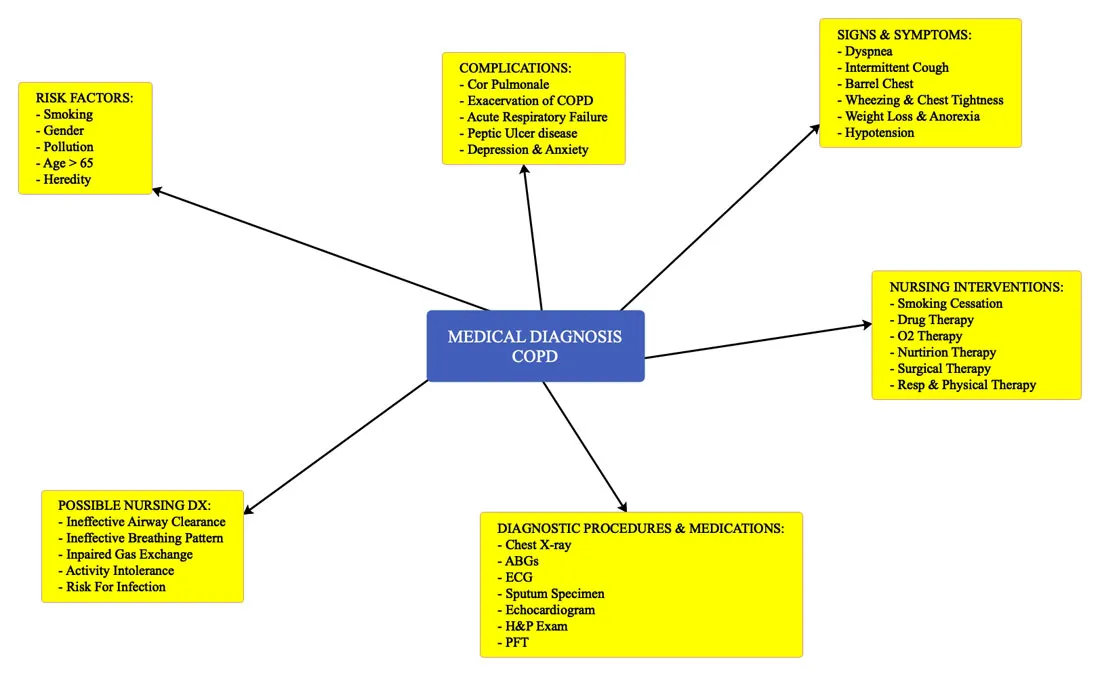
Using short phrases, images, and colour-coded branches helps break down complex topics thus revealing the relationships between ideas helping visual learning students be able to reinforce long-term memory. This “big picture” approach is especially useful for subjects with interconnected concepts.
Colour-coding
Colour-coding is another powerful revision strategy for students who prefer visual learning. Assigning specific colours to topics, definitions, formulas or even examples creates a visual system. This system allows information to be recognised quickly.
According to numerous multimedia studies, consistent use of colour in notes, flashcards, and timetables helps the brain categorise content efficiently, while highlighting only key points ensures important information stands out.
Visual Notes, Diagrams, and Flowcharts
Creating visual notes, diagrams, and flowcharts further deepens understanding. Drawing processes, sequences or relationships such as cycles, comparisons, or decision paths helps a student to turn abstract ideas into concrete visuals.
Simple sketches, icons, arrows, and text boxes can make revision more active and engaging, even without artistic skill.
Flashcards and Visual Mnemonics

Flashcards and visual mnemonics are ideal for memorisation. Colourful flashcards with diagrams or symbols encourage active recall, while striking or unusual images act as memory “hooks.”
Techniques like spaced repetition ensure difficult material is reviewed more frequently, strengthening retention over time.
Infographics, Charts and Visual Timetables
Finally, infographics, charts, and visual timetables condense large amounts of information into manageable summaries and structured schedules.
When combined with interactive tools, apps, or gamified revision methods, visual learning becomes both effective and motivating.
By consistently integrating these techniques, students can revise more efficiently and approach exams with greater clarity and confidence.
Visual Learning and Last-Minute Exam Revision
During last-minute revision, visual learning supports quick recall by allowing students to scan key ideas rapidly. A well-organized visual summary can refresh an entire topic in minutes. It is for this reason that visual learning stands out as one of the most effective exam revision techniques.
For example, instead of rereading several pages, a visual learner can review a single merged image that contains all key diagrams and annotations. This approach is particularly useful the night before an exam or during short revision breaks.
Final Thoughts: Making Visual Learning Part of Exam Strategy
Visual learning is a powerful revision strategy when used correctly. By transforming text-heavy materials into clear and structured visuals, students can revise more effectively by retain course concepts longer and approach exams with greater confidence.
Using simple image tools to merge, edit, and optimize study visuals, students are able to make revision more organized and less overwhelming. When learning is made visible, understanding improves and in return exam performance is also boosted.
0
421