

Becoming an A student is always a challenge for many; however, you don't have to be the smartest student to become one.
Sometimes, it just means you figured out how to study smarter, not harder. Everyone’s got their quirks; some people color-code everything, others swear by listening to lecture recordings on 2x speed right before bed.
But there are a few strategies that seem to work across the board. Before aiming for the top, it helps to understand how the system works and what a passing grade is in college. If you’re gunning for top grades without sacrificing your sanity (or your sleep), here are six real, practical ways to help you get there.
1. Master the Art of Rewriting and Explaining
There’s something about physically rewriting your notes that locks the information in your brain. It feels old-school, sure, but it works. Go through your lecture slides, scribble them in your own words, simplify the jargon, and make it yours.
Even better? Teach it to someone. If you can explain a topic to your friend (or your dog) without checking your notes, then congrats—you really know it. Teaching forces you to organize your thoughts and spot where you’re still shaky.
N/B: Use sticky notes, jotters, or even voice notes to explain tricky concepts out loud.
2. Practice Like It’s Game Day
Studying without using past exam questions for revision is like training for a marathon without ever running. Dig into old exams and time yourself. It’s the best way to understand how your examiners think and what they love to repeat.
Don’t just read the questions; what you should do is try to answer them. Mark them like you're your own lecturer and be honest with yourself. If you’re struggling to score at least 80% consistently, it’s a sign to revisit those topics.
3. Follow the Syllabus Like a GPS
Ever feel like you’re studying a ton and still not getting the grades? Chances are, you're reading everything instead of the right things. That’s where the syllabus and marking scheme come in. They tell you exactly what’s expected and where the marks go.
Focus on learning what’s actually being tested. If a topic only appears in one objective, don’t drown in it. If it’s a key learning outcome, dive deeper. Smart studying saves you time and energy.
4. Create a Realistic Study Flow (That Actually Fits Your Life)
Cramming doesn’t cut it. A solid A student sets up a study plan that fits their lifestyle and not someone else’s. Know when you’re most focused (morning or night?) and build your timetable around that.
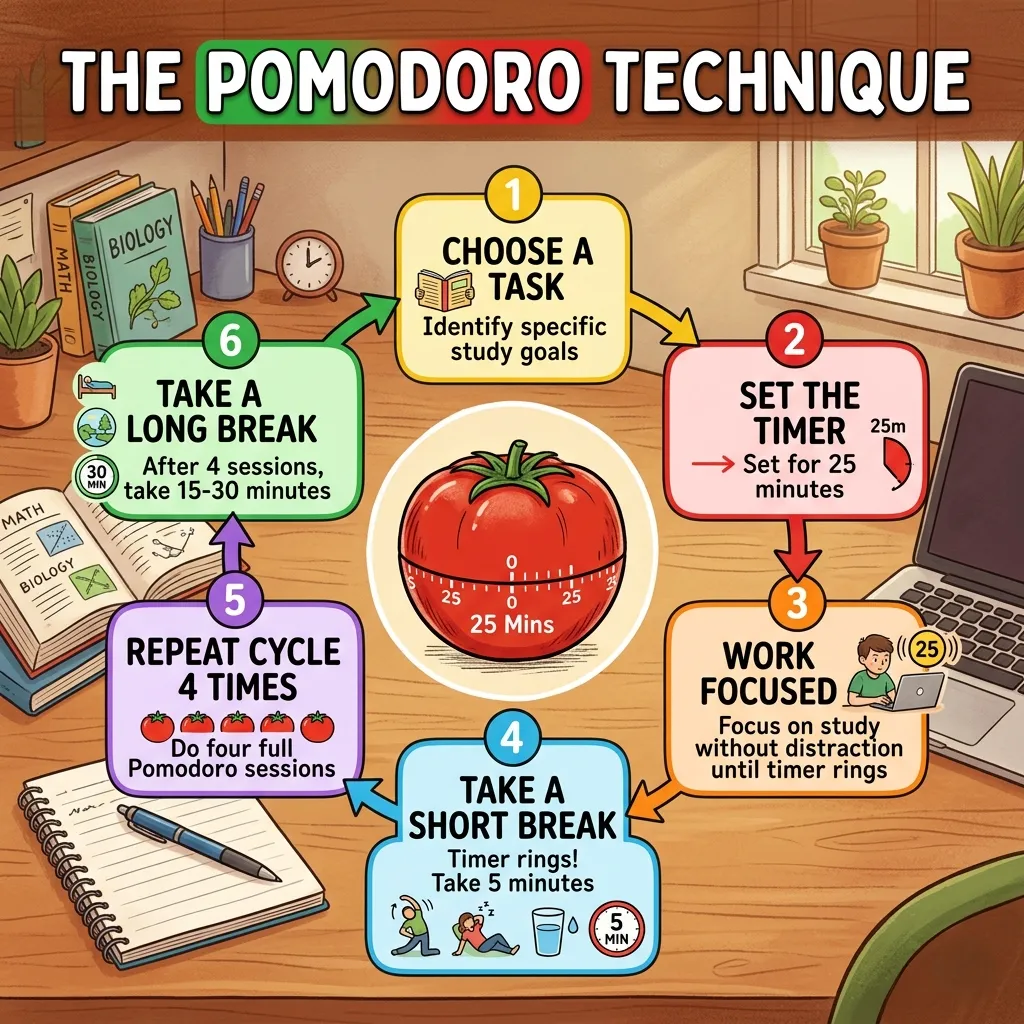
Break big topics into chunks and spread them out. If you want a framework to build on, looking at a realistic study plan from students who have tackled major exams can show you how to structure your time effectively. Use apps like Notion or Google Calendar if you’re into digital tools. And remember to schedule breaks. Utilizing the Pomodoro method, where you work for 25 minutes and break for 5, is a proven way to prevent cognitive fatigue and seriously boost your focus without frying your brain.
5. Upgrade Your Tools (and Fuel Your Brain Right)
It’s not just about studying hard; it’s about setting yourself up to win. A few simple tools can make a huge difference:
- PDF apps, like Xodo, help you highlight and annotate notes.
- Text-to-audio tools, like Speechify, let you “read” while doing other stuff.
- Flashcard apps like Quizlet make memorization easy.
- Sticky notes and a good reading lamp help set the mood and keep your space organized.
- And don’t underestimate food—snack smart with nuts, fruits, and lots of water. Your brain will thank you.
Also, don’t skimp on sleep. That all-nighter might feel productive, but real memory consolidation happens when you’re dreaming, not cramming.
6. Leverage the Power of AI
We’re in the era of smart studying, so why not let AI do some of the heavy lifting? Tools like ChatGPT, Grammarly, or even AI summarizers can help you break down tough topics, generate quick study outlines, or turn your messy notes into structured summaries.
It is an amazing way to tailor materials to your personal learning style, regardless of your preference, be it visual, auditory, or hands-on learner. Figuring out how you learn best allows you to prompt AI to feed you information in the exact format your brain prefers.
But always, and I repeat, always double check, I like calling it fact checking the output from AI, because it, at times, has errors too.
When you need help understanding a complex idea, ask AI to explain it in simpler terms. Want flashcards made from your textbook? Let AI do the grunt work. Just remember that if used correctly, AI is not a replacement; think of it like a tool to help you, just like a calculator does. Use it to boost your learning.
Conclusion
Being an A student isn’t about being perfect; it’s about being intentional. Learn what works for you, stick with it, and stay consistent. Remember, you’re not just studying for grades—you’re building skills, discipline, and a mindset that’ll carry you way beyond the classroom.
0
759