Pasing Grades
  • Start Selling
  • Blog
  • Contact
  • 0

    Your cart is empty!

English

  • English
  • Spanish
  • Arabic
Create Account Sign In
  • Library
    • New Prep Guides
    • Featured Prep Guides
    • Free Exam Prep Guides
    • Best sellers
  • General
  • Nursing
    • Research Paper
    • Case Study
    • Discussion Post
    • Assignment
    • Exam
    • Practice Questions and Answers
    • Test Bank
    • solutions manual
  • Accounting
    • Case Study
    • Thesis
    • Study Guide
    • Summary
    • Research Paper
    • test bank
  • English
    • Creative Writing
    • Research Paper
    • Summary
    • Rhetorics
    • Literature
    • Journal
    • Exam
    • Grammar
    • Discussion Post
    • Essay
  • Psychology
    • Hesi
    • Presentation
    • Essay
    • Summary
    • Study Guide
    • Essay
    • Solution Manual
    • Final Exam Review
    • Class Notes
    • test bank
  • Business
    • Lecture Notes
    • Solution Manual
    • Presentation
    • Business Plan
    • Class Notes
    • Experiment
    • Summary
    • Practice Questions
    • Study Guide
    • Case Study
    • test bank
    • Exam
  • More
    • Computer Science
    • Economics
    • Statistics
    • Engineering
    • Biology
    • Religious Studies
    • Physics
    • Chemistry
    • Mathematics
    • History
    • Sociology
    • Science
    • Philosophy
    • Law
  • Pages
    • About Us
    • Selling Tips
    • Delivery Policy
    • Faq
    • Privacy Policy
  • Flash Sale
  • Home
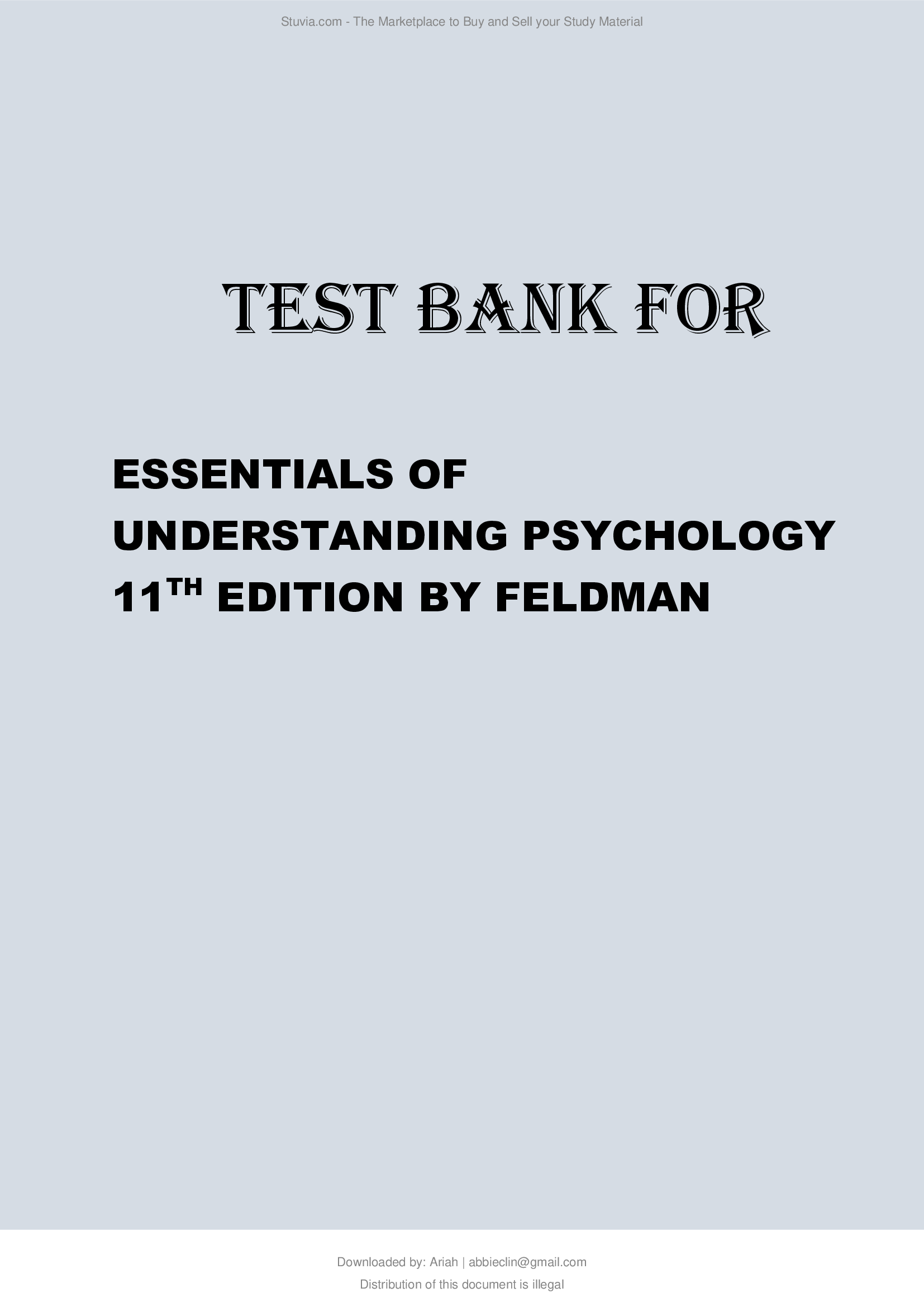
  • Test Bank for Developmental Psychology Childhood And Adolescence 9th Edition By Shaffer

Test Bank for Developmental Psychology Childhood And Adolescence 9th Edition By Shaffer

Preview page 1 Preview page 2 Preview page 3
Add To Favorites

Share this item Share this item

  • Item Details
  • Comments (0)
  • Reviews (0)
  • Contact Seller
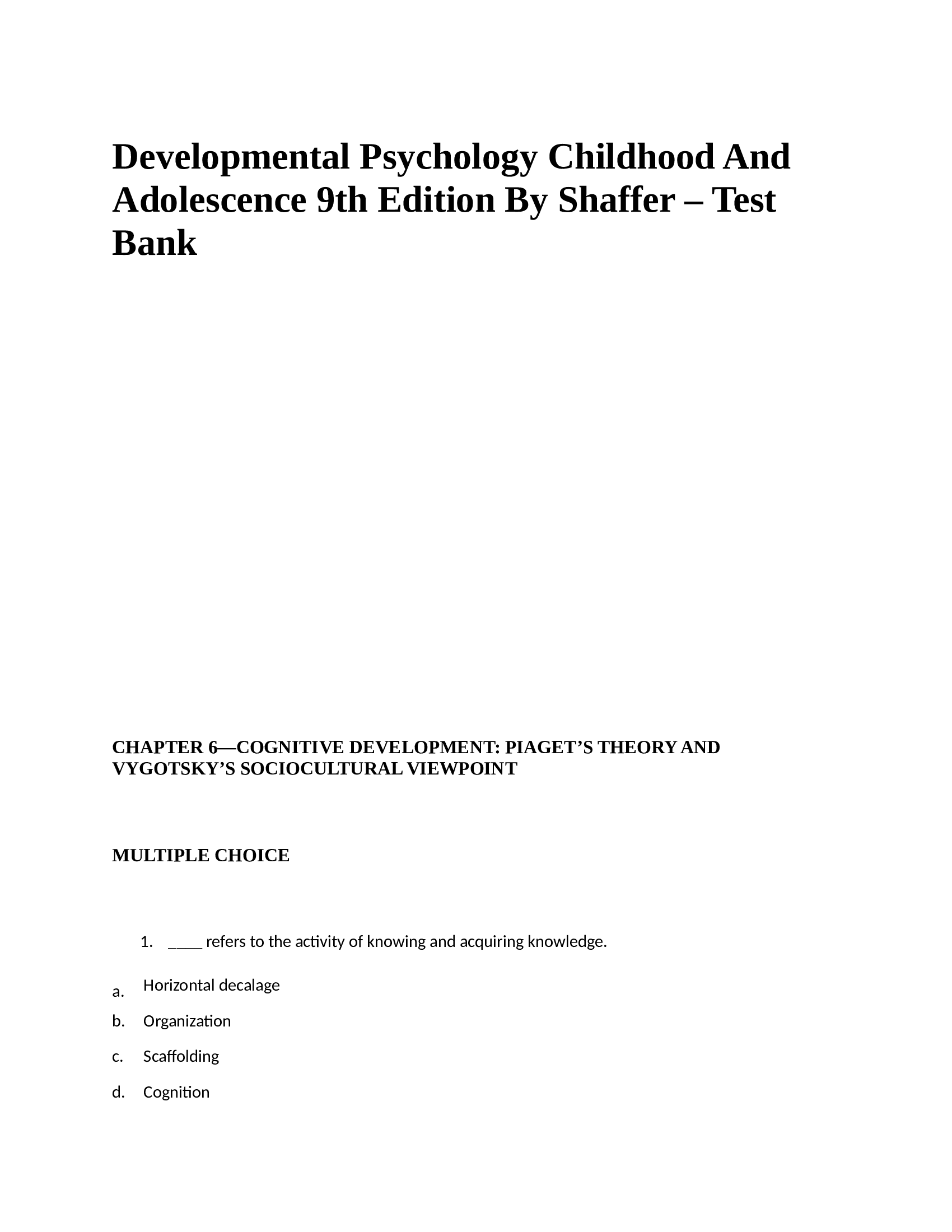
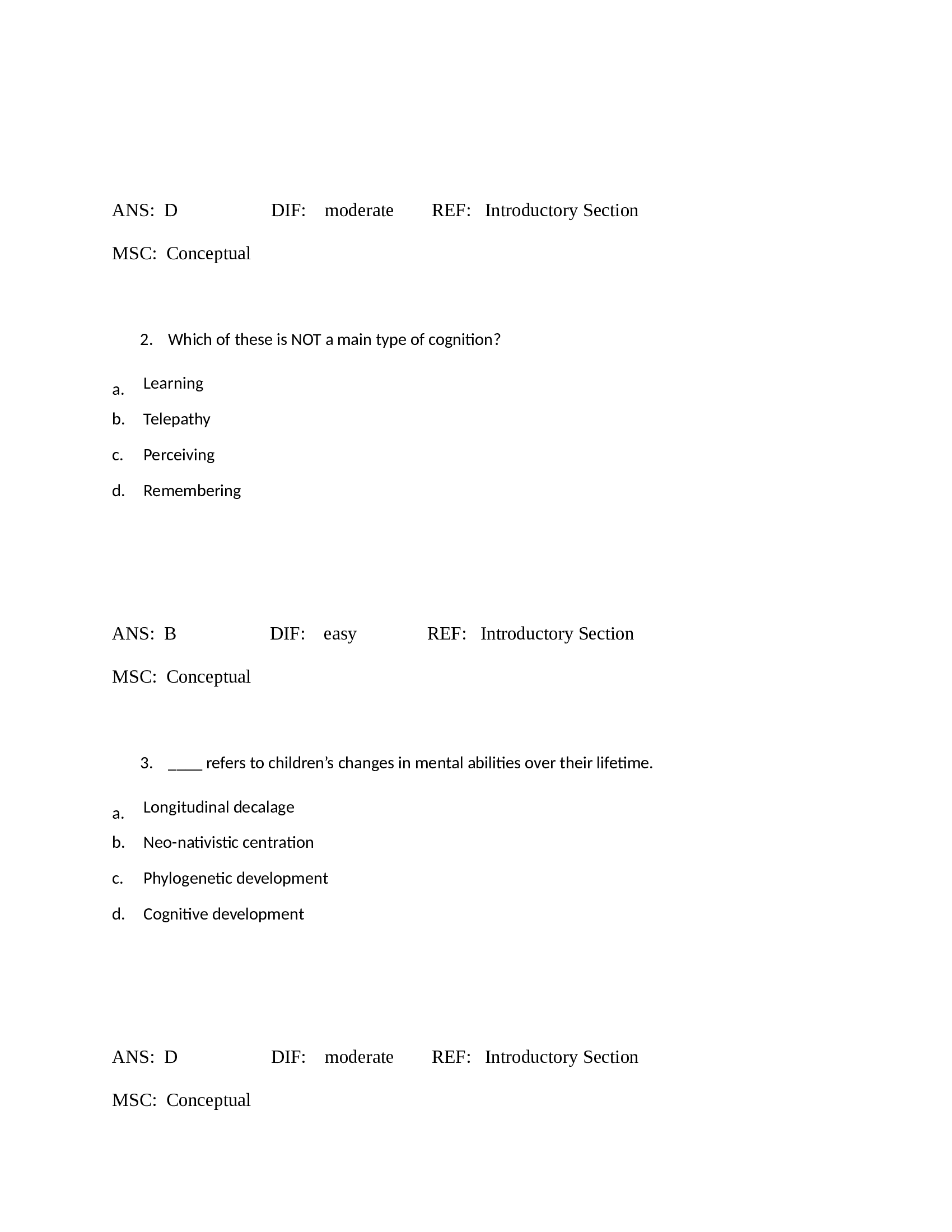
Test Bank for Developmental Psychology Childhood And Adolescence 9th Edition By Shaffer Developmental Psychology Childhood And Adolescence 9th Edition By Shaffer – Test Bank CHAPTER 6—COGNITIVE DEVELOPMENT: PIAGET’S THEORY AND VYGOTSKY’S SOCIOCULTURAL VIEWPOINT MULTIPLE CHOICE 1. ____ refers to the activity of knowing and acquiring knowledge. a. Horizontal decalage b. Organization c. Scaffolding d. Cognition ANS: D DIF: moderate REF: Introductory Section MSC: Conceptual 2. Which of these is NOT a main type of cognition? a. Learning b. Telepathy c. Perceiving d. Remembering ANS: B DIF: easy REF: Introductory Section MSC: Conceptual 3. ____ refers to children’s changes in mental abilities over their lifetime. a. Longitudinal decalage b. Neo-nativistic centration c. Phylogenetic development d. Cognitive development ANS: D DIF: moderate REF: Introductory Section MSC: Conceptual 4. Theorist Jean Piaget’s academic background was focused in these two subjects: a. statistics and experimental design. b. animal husbandry and crop science. c. epistemology and zoology. d. chemistry and astronomy. ANS: C DIF: moderate REF: Piaget’s Theory of Cognitive Development MSC: Factual 5. Epistemology is the branch of philosophy that is concerned with the a. origins of knowledge. b. rules of logical thinking. c. moral principles of proper conduct. d. relationship of religious belief and behavior. ANS: A DIF: moderate REF: Piaget’s Theory of Cognitive Development MSC: Conceptual 6. Genetic epistemology, Piaget’s academic specialty, could be defined as the study of the a. child’s social relations with others such as peers. b. inheritance of mental deficiency/disability. c. inheritance of behavioral habits. d. development of knowledge. ANS: D DIF: moderate REF: Piaget’s Theory of Cognitive Development MSC: Conceptual 7. Piaget’s clinical method for research resembles a. a literature review. b. the correlational method. c. experimentation. d. interviewing. ANS: D DIF: easy REF: Piaget’s Theory of Cognitive Development MSC: Conceptual 8. Professor Pompous talks to children about how they solve puzzles. The course of questioning is modified, depending on the child’s earlier answers. Pompous’s approach resembles Piaget’s ____ method. a. representational insight b. proximally decentrated c. epistemological d. clinical ANS: D DIF: moderate REF: Piaget’s Theory of Cognitive Development MSC: Applied 9. In Piaget’s cognitive developmental theory, the basic goal of intelligence is to a. adapt to the environment. b. enable the child to get ahead in school. c. encourage scaffolding by relevant nearby adults. d. discourage accommodation while encouraging assimilation. ANS: A DIF: moderate REF: Piaget’s Theory of Cognitive Development MSC: Conceptual 10. In Piaget’s cognitive theory, intelligence is like a(n) a. random unpredictable series of thunderstorms. b. counselor who helps a new arrival adjust to camp life. c. teacher who explains everything with animal metaphors. d. innate genetic disease that occurs at a programmed age. ANS: B DIF: difficult REF: Piaget’s Theory of Cognitive Development MSC: Conceptual 11. A slogan of Piaget’s theory of intelligence would be, a. “Build your vocabulary!” b. “Look for a scaffold!” c. “Impress others!” d. “Adapt!” ANS: D DIF: moderate REF: Piaget’s Theory of Cognitive Development MSC: Conceptual 12. In Piaget’s theory, balance between the child’s thoughts and the environment is called a. tertiary circular reaction. b. phylogenetic scaffolding. c. pompous constructivism. d. cognitive equilibrium. ANS: D DIF: moderate REF: Piaget’s Theory of Cognitive Development MSC: Conceptual 13. Dino, age 10, is a “dinosaur expert.” At a dinosaur museum, all of the most recent information matches what Dino already knows. Dino experiences a. transitivity of mental seriation. b. a secondary circular reaction. c. cognitive equilibrium. d. an A-not-B error. ANS: C DIF: moderate REF: Piaget’s Theory of Cognitive Development MSC: Applied 14. During Piaget’s process of “equilibration,” the child a. makes mental adjustments in response to new experiences. b. avoids scaffolding while seeking independent action. c. rejects the possibility of hypothetical “what ifs.” d. places phylogenetic development and ontogenetic development in contrasted opposition. ANS: A DIF: difficult REF: Piaget’s Theory of Cognitive Development MSC: Conceptual 15. According to Piaget, the constructivism of the child’s thinking means that a. the child builds understanding via active discovery. b. assimilation speeds learning, while accommodation retards learning. c. passive experience builds up knowledge quickly. d. circular reactions are round movement sequences. ANS: A DIF: moderate REF: Piaget’s Theory of Cognitive Development MSC: Conceptual 16. A puppy explores and taps a rubber ball, and learns about the ball’s properties via discovery. The puppy exemplifies Piaget’s principle of a. constructivism. b. horizontal decalage. c. representational insight. d. invariant developmental sequence. ANS: A DIF: moderate REF: Piaget’s Theory of Cognitive Development MSC: Applied 17. In Piaget’s cognitive theory, a ____ is a mental model that represents, organizes, or interprets experience for the child. a. concrete operation b. centration c. scaffold d. scheme ANS: D DIF: moderate REF: Piaget’s Theory of Cognitive Development MSC: Conceptual 18. ____ is the process by which children combine existing schemes into more complex intellectual schemes. a. Organization b. Conservation c. Formal operation d. Assimilation ANS: A DIF: moderate REF: Piaget’s Theory of Cognitive Development MSC: Factual 19. To pass an object, an infant combines one hand’s “opening scheme” with the other hand’s “grasping” scheme. This illustrates Piaget’s principle of a. animism. b. organization. c. identity training. d. avoiding the A-not-B error. ANS: B DIF: moderate REF: Piaget’s Theory of Cognitive Development MSC: Applied 20. A slogan of Piaget’s organization principle would be, a. “Respond to parental assistance!” b. “Consider hypothetical possibilities!” c. “Combine the simple into the complex!” d. “Observe how others have solved similar problems!” ANS: C DIF: moderate REF: Piaget’s Theory of Cognitive Development MSC: Conceptual 21. “Adaptation” has many varied meanings, but to Piaget, it meant a. minimizing parent/child conflicts through discussion. b. habituating to the environment’s stabilities. c. making adjustments in response to the environment’s demands. d. modifying the organism’s genotype. ANS: C DIF: moderate REF: Piaget’s Theory of Cognitive Development MSC: Conceptual 22. In Piaget’s cognitive theory, adaptation is the outcome of which processes? a. Dilation and contraction b. Centration and decentration c. Accommodation and assimilation d. Horizontal decalage and vertical decalage ANS: C DIF: moderate REF: Piaget’s Theory of Cognitive Development MSC: Conceptual 23. An overseas tourist comments on everything new by mentioning its similarities to familiar places back home. This resembles Piagetian a. assimilation. b. accommodation. c. conservation. d. primary circular reaction. ANS: A DIF: moderate REF: Piaget’s Theory of Cognitive Development MSC: Applied 24. A slogan for Piaget’s assimilation principle would be, a. “Conform to your peers’ thoughts!” b. “Apply your past habits!” c. “Be flexible and modify!” d. “Think with animism!” ANS: B DIF: moderate REF: Piaget’s Theory of Cognitive Development MSC: Conceptual 25. Janelle sees a man (who is not her father) and calls out, “Daddy!” Janelle’s reaction demonstrates the process that Piaget referred to as a. egocentrism. b. assimilation. c. accommodation. d. organization. ANS: B DIF: moderate REF: Piaget’s Theory of Cognitive Development MSC: Applied 26. ASSIMILATION is to ACCOMMODATION as ____ is to ____. a. CASH :: CREDIT b. INDIVIDUAL :: GROUP c. STABILITY :: CHANGE d. INCREMENTAL :: STAGES ANS: C DIF: difficult REF: Piaget’s Theory of Cognitive Development MSC: Conceptual 27. Four-year-old Britney mistakes her neighbor’s new pet rabbit for a kitten. Britney’s error illustrates the Piagetian process of a. animism. b. assimilation. c. accommodation. d. tertiary circular reaction. ANS: B DIF: moderate REF: Piaget’s Theory of Cognitive Development MSC: Applied 28. After seeing her “silly putty” bounce up to the ceiling on her first throw, Celia adjusts on the second throw to reduce the force. Celia’s adjustment illustrates a. accommodation. b. assimilation. c. a zone of proximal development. d. a representational insight. ANS: A DIF: moderate REF: Piaget’s Theory of Cognitive Development MSC: Applied 29. Four-year-old Laura finds a bottle of vitamins. They look just like Easter candies, so she eats them all. Laura’s error illustrates Piagetian a. assimilation. b. accommodation. c. mental seriation. d. horizontal decalage. ANS: A DIF: moderate REF: Piaget’s Theory of Cognitive Development MSC: Applied 30. In space, astronauts must become experts at ____ because behavioral schemata that work on Earth must be adjusted for space’s weightlessness. a. reversibility b. accommodation c. assimilation d. animism ANS: B DIF: moderate REF: Piaget’s Theory of Cognitive Development MSC: Applied 31. Beanpole plays basketball. During the past month, his arm has grown an inch, and he overshoots. His error reflects ____ of the shooting scheme. a. hypothetico-deductive reasoning b. deferred imitation c. assimilation d. accommodation ANS: C DIF: moderate REF: Piaget’s Theory of Cognitive Development MSC: Applied 32. Beanpole plays basketball. After Beanpole’s arm has grown an inch and he overshoots, he shows ____ on later shots by reducing the intensity of the arm movement. a. neo-nativism b. assimilation c. accommodation d. microgenetic transitivity ANS: C DIF: moderate REF: Piaget’s Theory of Cognitive Development MSC: Applied 33. Five-year-old Charley didn’t think that dogs could talk until he saw a talking dog on TV. The change in Charley’s understanding about dogs illustrates the Piagetian principle called a. phylogenetic development. b. animistic magic. c. accommodation. d. assimilation. ANS: C DIF: difficult REF: Piaget’s Theory of Cognitive Development MSC: Applied 34. An expatriate living overseas says, “No matter where we live, we are flexible and try to go native, adjusting our habits to match those of the locals.” Her family is strong on ____ of their behavioral schemata a. reflex activation b. microgenetic development c. assimilation d. accommodation ANS: D DIF: moderate REF: Piaget’s Theory of Cognitive Development MSC: Applied 35. Which of these is NOT among Piaget’s four cognitive developmental stages? a. Formal operations stage b. Preoperational stage c. Proximal zone stage d. Sensorimotor stage ANS: C DIF: moderate REF: Piaget’s Stages of Cognitive Development MSC: Conceptual 36. Piaget’s principle of the invariant developmental sequence means that a. animals of closely related species (e.g., apes/monkeys) have identical developmental stages. b. every child goes through the stages in the same order. c. if well nourished, children will develop at the same rate. d. smart children can sometimes skip one of the stages. ANS: B DIF: moderate REF: Piaget’s Stages of Cognitive Development MSC: Conceptual 37. Piaget’s four developmental stages a. differ qualitatively from each other. b. are voluntarily chosen by the child’s parents. c. are experienced in different sequences by children. d. can be skipped in instances where the child is a precocious early achiever. ANS: A DIF: moderate REF: Piaget’s Stages of Cognitive Development MSC: Conceptual 38. A chef says, “The recipe for goo-rolls is specific. You must do all 15 steps in the exact stated order.” This recipe illustrates the principle of a. invariant sequence. b. symbolic and behavioral schemes. c. transitivity. d. egocentrism. ANS: A DIF: easy REF: Piaget’s Stages of Cognitive Development MSC: Applied 39. Piaget asserted that cultural and environmental influences on the child’s development affected a. the developmental rate and also the stage sequence. b. the developmental rate but not the stage sequence. c. the stage sequence but not the developmental rate. d. neither the stage sequence nor the developmental rate. ANS: B DIF: difficult REF: Piaget’s Stages of Cognitive Development MSC: Conceptual 40. Piaget’s sensorimotor stage includes the period of a. infancy. b. early childhood. c. middle childhood.

Contact the Seller

Please Sign In to contact this seller.


  • 👎  Report Copyright Violation

Frequently Asked Questions

What Do I Get When I Buy This Study Material?

+

When you buy a study material on Passing Grades, an instant download link will be sent directly to your email, giving you access to the file anytime after payment is completed.

Is Passing Grades a Trusted Platform?

+

Yes, Passing Grades is a reputable students’ marketplace with a secure payment system and reliable customer support. You can trust us to ensure a safe and seamless transaction experience.

Will I Be Stuck with a Subscription?

+

No, all purchases on Passing Grades are one-time transactions. You only pay for the notes you choose to buy, with no subscriptions or hidden fees attached.

Who Am I Buying These Study Materials From?

+

Passing Grades is a marketplace, which means you are purchasing the document from an individual vendor, not directly from us. We facilitate the payment and delivery process between you and the vendor.

Does Passing Grades Offer Free Study Materials?

+

Yes, sellers on Passing Grades have uploaded numerous free test banks, exams, practice questions, and class notes that can be downloaded at no cost.


Pasinggrades - Quality Study Materials

USD 17

    • Quality checked by Pasing Grades
    • 100% satisfaction guarantee
    • Seller: Eddah-Nafula
Buy PDF $17

Seller Information

Eddah-Nafula

Member since June 2021

  • icon
  • icon
  • icon
View Profile
  • total sales

    0
  • Favourites

    0
  • Comments

    0
    ( 0 Ratings )

Item Information

  • Uploaded

    15 June 2023

  • Updated

    21 April 2025

  • Category

    No category

  • Item Type

    test bank

  • Tags

    Test Bank for Developmental Psychology Childhood And Adolescence 9th Edition By Shaffer

Related Exam Prep Guides by Eddah-Nafula

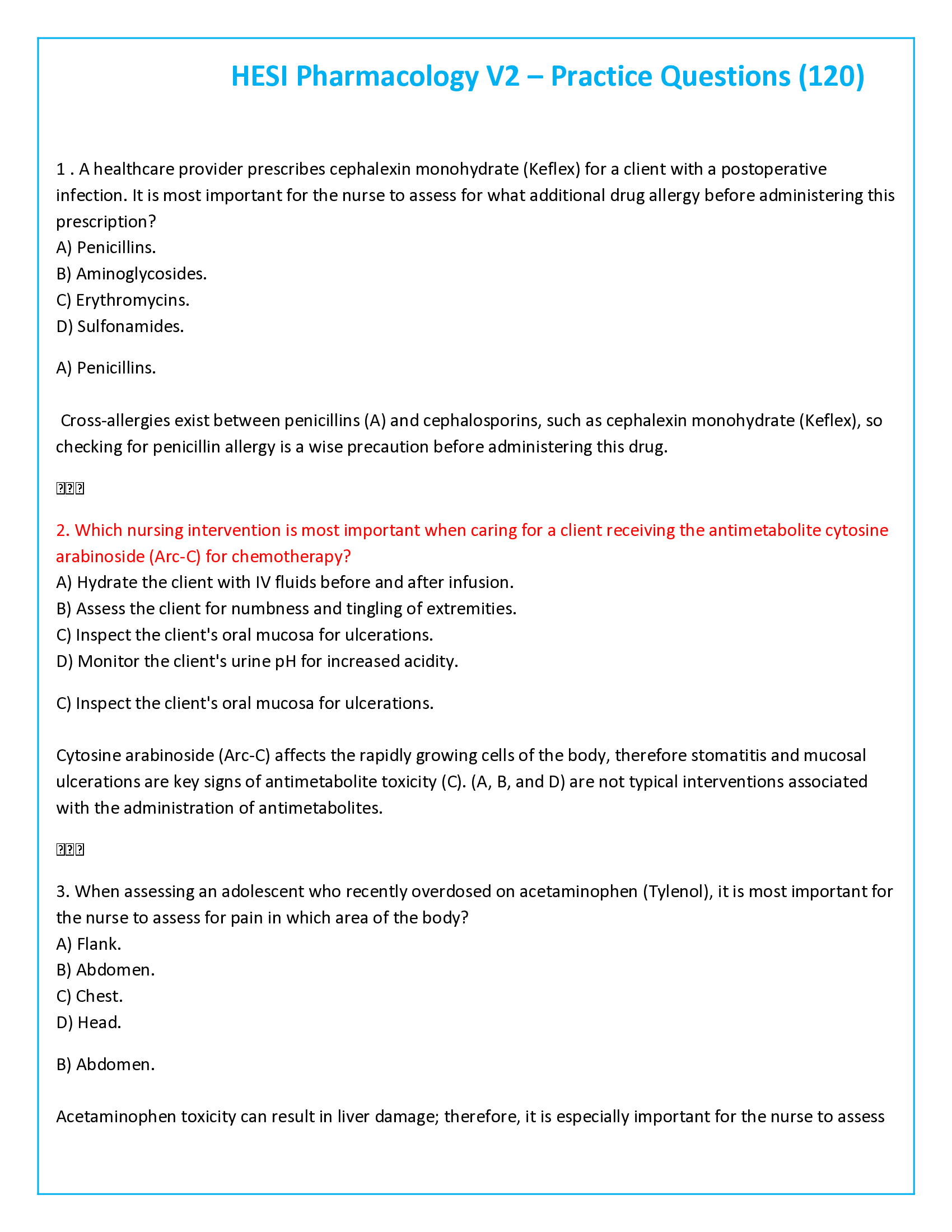
HESI Pharmacology V2 – Practice Questions (120) Latest 2026
View Document

HESI Pharmacology V2...

  • Eddah-Nafula

    Eddah-Nafula

  • test bank

HESI Pharmacology V2 – Practice Questions (120) Latest 2025...

17 USD

0

0

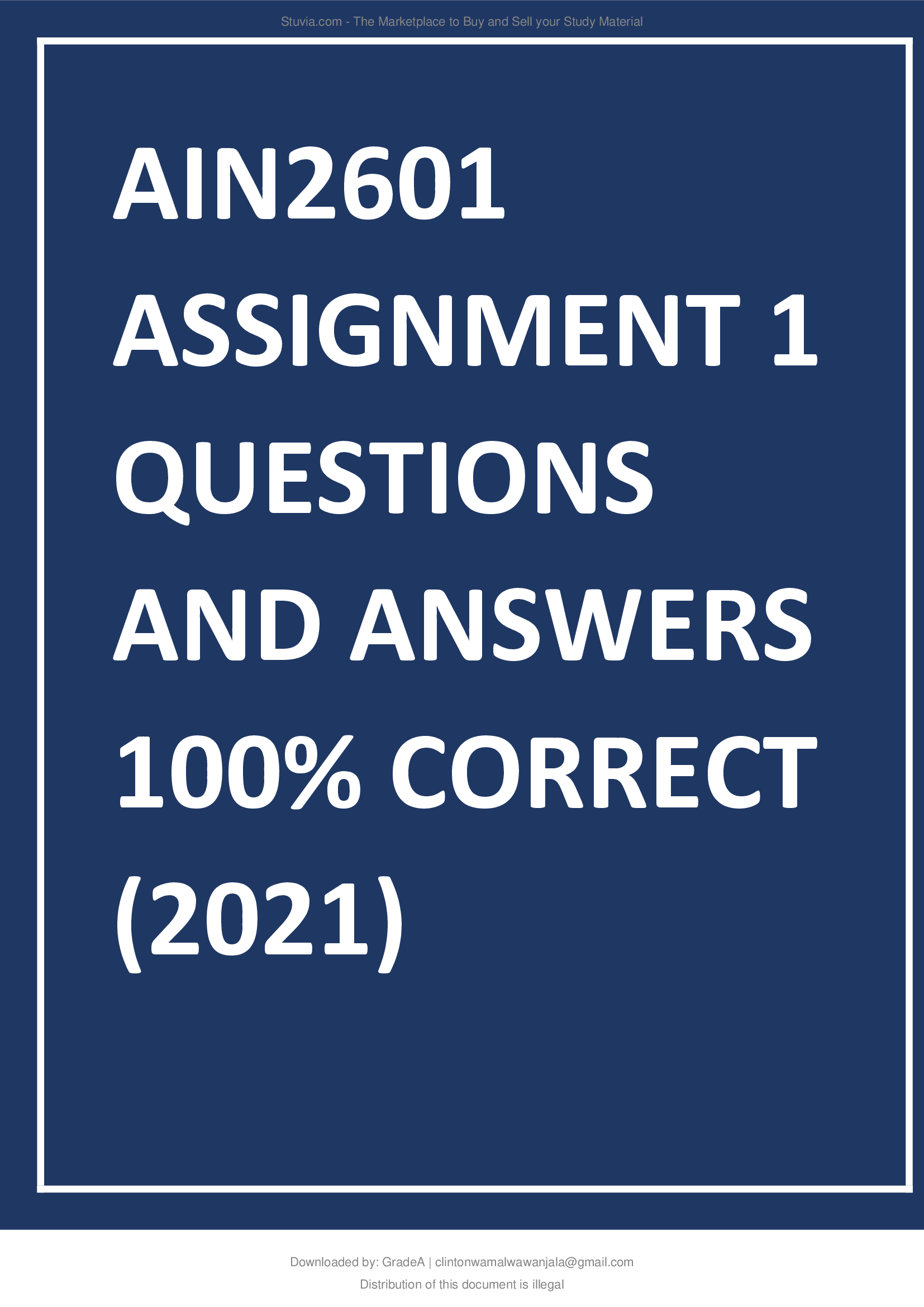
AIN2601 ASSIGNMENT 1 QUESTIONS AND ANSWERS 100 CORRECT (2021)
View Document

AIN2601 ASSIGNMENT 1...

  • Eddah-Nafula

    Eddah-Nafula

  • test bank

AIN2601 ASSIGNMENT 1 QUESTIONS AND ANSWERS 100 CORRECT (2021)...

17 USD

0

0

Ashley Davis patho objectives 5,6,7,20
View Document

Ashley Davis patho o...

  • Eddah-Nafula

    Eddah-Nafula

  • test bank

Ashley Davis patho objectives 5,6,7,20...

17 USD

0

0

Purchase

Download link will be sent to this email immediately after purchase.

IMPORTANT LINKS

  • How To Upload Class Notes
  • Selling Tips
  • Passing Grades's Study Materials
  • Scholarships for International Students 2026

POPULAR CATEGORIES

  • Law
  • Accounting
  • English
  • Psychology
  • Business
  • Nursing
  • Computer Science
  • General

View Document

  • Blog
  • Contact
  • Delivery Policy
  • Latest Scholarships Around the World
  • How to Pass Bar Exams: Passing Grades’ Strategies
  • How to Study and Pass the CPA Exam
  • All Test Banks
  • Faq
  • Copyright Claims
  • Privacy Policy
  • Terms of Use

KNOWLEDGE BASE

  • How to Write A+ Grade Good Research Paper
  • How to Manage Stress During Exam Period
  • Best Time to Study
  • How to Pass NCLEX-RN Exam
  • How To Effectively Utilize Test Banks
  • Popular Shadow Health Exam Assessments
  • Popular HESI Case Studies
  • How to Prepare for a Nursing Career
  • The Importance Of Summaries in Exam Revisvion

© 2026 Pasing Grades. All rights reserved.