Pasing Grades
  • Start Selling
  • Blog
  • Contact
  • 0

    Your cart is empty!

English

  • English
  • Spanish
  • Arabic
Create Account Sign In
  • Library
    • New Prep Guides
    • Featured Prep Guides
    • Free Exam Prep Guides
    • Best sellers
  • General
  • Nursing
    • Research Paper
    • Case Study
    • Discussion Post
    • Assignment
    • Exam
    • Practice Questions and Answers
    • Test Bank
    • solutions manual
  • Accounting
    • Case Study
    • Thesis
    • Study Guide
    • Summary
    • Research Paper
    • test bank
  • English
    • Creative Writing
    • Research Paper
    • Summary
    • Rhetorics
    • Literature
    • Journal
    • Exam
    • Grammar
    • Discussion Post
    • Essay
  • Psychology
    • Hesi
    • Presentation
    • Essay
    • Summary
    • Study Guide
    • Essay
    • Solution Manual
    • Final Exam Review
    • Class Notes
    • test bank
  • Business
    • Lecture Notes
    • Solution Manual
    • Presentation
    • Business Plan
    • Class Notes
    • Experiment
    • Summary
    • Practice Questions
    • Study Guide
    • Case Study
    • test bank
    • Exam
  • More
    • Computer Science
    • Economics
    • Statistics
    • Engineering
    • Biology
    • Religious Studies
    • Physics
    • Chemistry
    • Mathematics
    • History
    • Sociology
    • Science
    • Philosophy
    • Law
  • Pages
    • About Us
    • Selling Tips
    • Delivery Policy
    • Faq
    • Privacy Policy
  • Flash Sale
  • Home
  • Solution Manual for Organic Chemistry 7th Edition by Brown

Solution Manual for Organic Chemistry 7th Edition by Brown

Preview page 1 Preview page 2 Preview page 3
Add To Favorites

Share this item Share this item

  • Item Details
  • Comments (0)
  • Reviews (0)
  • Contact Seller
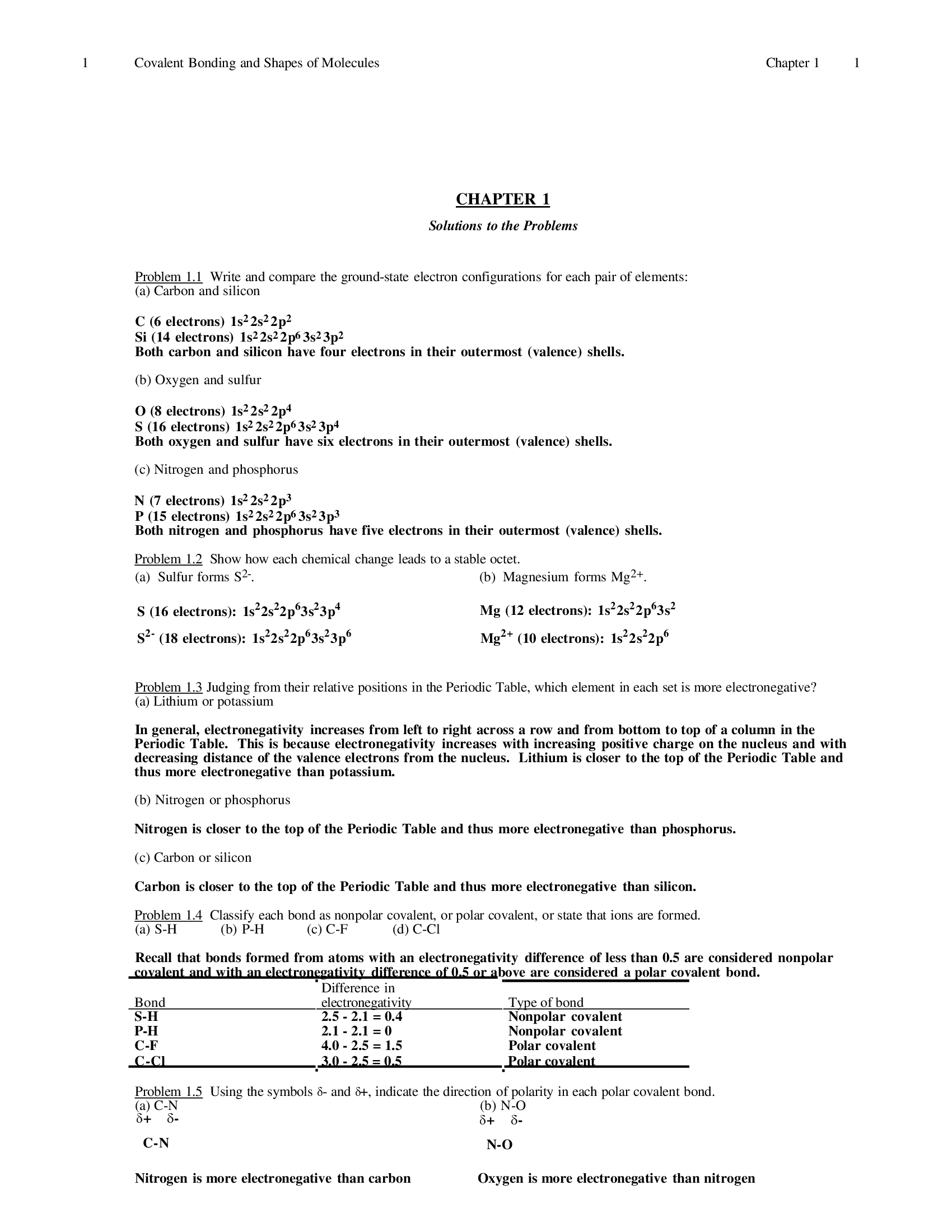
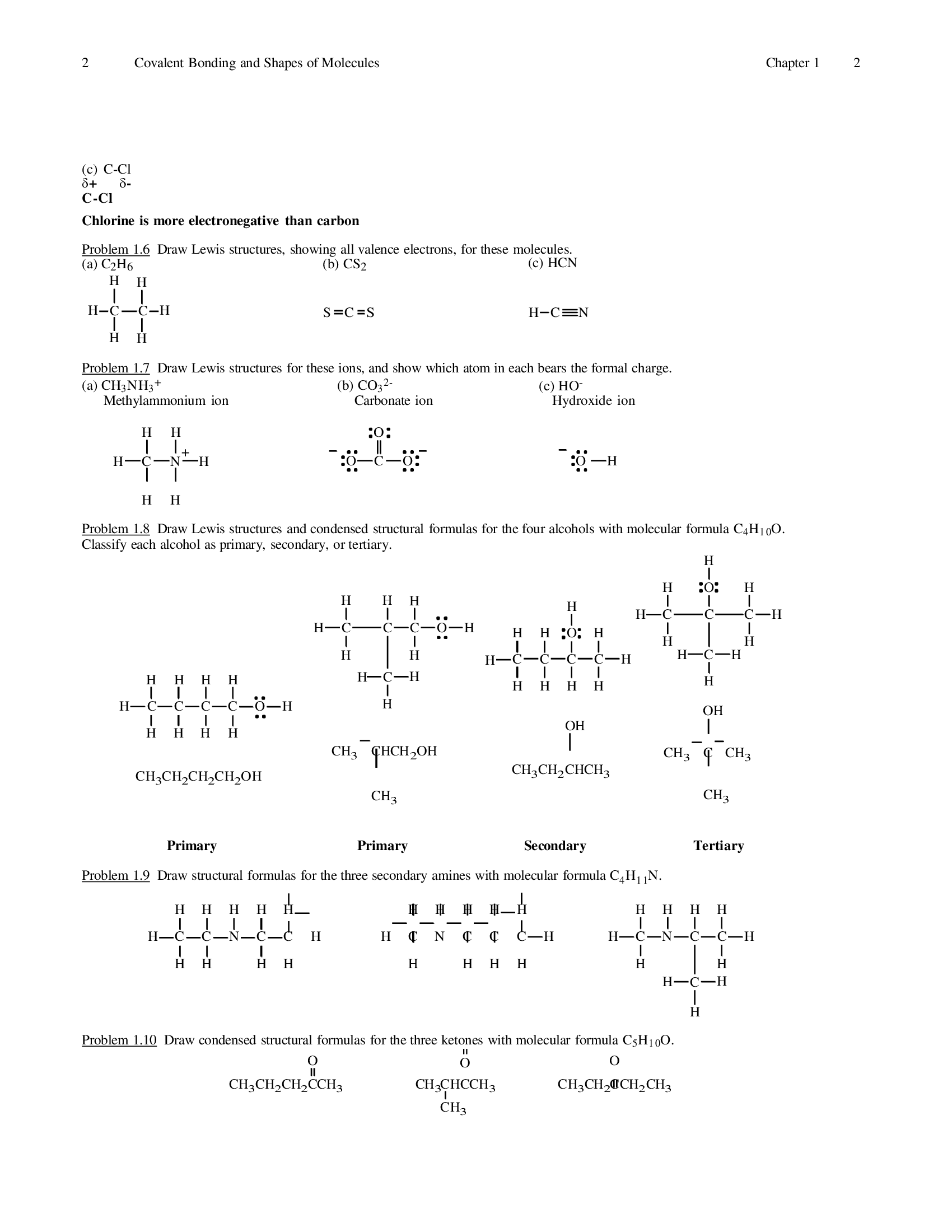
Solution Manual for Organic Chemistry 7th Edition by Brown CHAPTER 1 Solutions to the Problems Problem 1.1 Write and compare the ground-state electron configurations for each pair of elements: (a) Carbon and silicon C (6 electrons) 1s 2 2s 2 2p 2 Si (14 electrons) 1s 2 2s 2 2p 6 3s 2 3p 2 Both carbon and silicon have four electrons in their outermost (valence) shells. (b) Oxygen and sulfur O (8 electrons) 1s 2 2s 2 2p 4 S (16 electrons) 1s 2 2s 2 2p 6 3s 2 3p 4 Both oxygen and sulfur have six electrons in their outermost (valence) shells. (c) Nitrogen and phosphorus N (7 electrons) 1s 2 2s 2 2p 3 P (15 electrons) 1s 2 2s 2 2p 6 3s 2 3p 3 Both nitrogen and phosphorus have five electrons in their outermost (valence) shells. Problem 1.2 Show how each chemical change leads to a stable octet. (a) Sulfur forms S 2- . (b) Magnesium forms Mg 2+ . S (16 electrons): 1s 2 2s 2 2p 6 3s 2 3p 4 Mg (12 electrons): 1s 2 2s 2 2p 6 3s 2 S 2- (18 electrons): 1s 2 2s 2 2p 6 3s 2 3p 6 Mg 2+ (10 electrons): 1s 2 2s 2 2p 6 Problem 1.3 Judging from their relative positions in the Periodic Table, which element in each set is more electronegative? (a) Lithium or potassium In general, electronegativity increases from left to right across a row and from bottom to top of a column in the Periodic Table. This is because electronegativity increases with increasing positive charge on the nucleus and with decreasing distance of the valence electrons from the nucleus. Lithium is closer to the top of the Periodic Table and thus more electronegative than potassium. (b) Nitrogen or phosphorus Nitrogen is closer to the top of the Periodic Table and thus more electronegative than phosphorus. (c) Carbon or silicon Carbon is closer to the top of the Periodic Table and thus more electronegative than silicon. Problem 1.4 Classify each bond as nonpolar covalent, or polar covalent, or state that ions are formed. (a) S-H (b) P-H (c) C-F (d) C-Cl Recall that bonds formed from atoms with an electronegativity difference of less than 0.5 are considered nonpolar covalent and with an electronegativity difference of 0.5 or above are considered a polar covalent bond. Difference in Bond electronegativity Type of bond S-H 2.5 - 2.1 = 0.4 Nonpolar covalent P-H 2.1 - 2.1 = 0 Nonpolar covalent C-F 4.0 - 2.5 = 1.5 Polar covalent C-Cl 3.0 - 2.5 = 0.5 Polar covalent Problem 1.5 Using the symbols δ- and δ+, indicate the direction of polarity in each polar covalent bond. (a) C-N (b) N-O δ+ δ- δ+ δ- C-N N-O Nitrogen is more electronegative than carbon Oxygen is more electronegative than nitrogen (c) C-Cl δ+ δ- C-Cl Chlorine is more electronegative than carbon Problem 1.6 Draw Lewis structures, showing all valence electrons, for these molecules. (a) C 2 H 6 (b) CS 2 (c) HCN H H H C H C H H S C S H C N Problem 1.7 Draw Lewis structures for these ions, and show which atom in each bears the formal charge. (a) CH 3 NH 3 + (b) CO 3 2- (c) HO Methylammonium ion Carbonate ion Hydroxide ion H H O H C N + H O C O O H H H Problem 1.8 Draw Lewis structures and condensed structural formulas for the four alcohols with molecular formula C 4 H 1 0 O. Classify each alcohol as primary, secondary, or tertiary. H H H H C C C H H H H C O H H H H H C C H H C H H C O H H H H H H H H O H C C C C H H H H H OH H H O H C C C H H H H C H H OH CH 3 CH 2 CH 2 CH 2 OH CH 3 CHCH 2 OH CH 3 CH 2 CHCH 3 CH 3 C CH 3 CH 3 CH 3 Primary Primary Secondary Tertiary Problem 1.9 Draw structural formulas for the three secondary amines with molecular formula C 4 H 1 1 N. H H H H H H H H H H H H H H H C C N C C H H C N C C C H H C N C C H H H H H H H H H H H C H H H Problem 1.10 Draw condensed structural formulas for the three ketones with molecular formula C 5 H 1 0 O. O CH 3 CH 2 CH 2 CCH 3 O CH 3 CHCCH 3 CH 3 O CH 3 CH 2 CCH 2 CH 3

Contact the Seller

Please Sign In to contact this seller.


  • 👎  Report Copyright Violation

Frequently Asked Questions

What Do I Get When I Buy This Study Material?

+

When you buy a study material on Passing Grades, an instant download link will be sent directly to your email, giving you access to the file anytime after payment is completed.

Is Passing Grades a Trusted Platform?

+

Yes, Passing Grades is a reputable students’ marketplace with a secure payment system and reliable customer support. You can trust us to ensure a safe and seamless transaction experience.

Will I Be Stuck with a Subscription?

+

No, all purchases on Passing Grades are one-time transactions. You only pay for the notes you choose to buy, with no subscriptions or hidden fees attached.

Who Am I Buying These Study Materials From?

+

Passing Grades is a marketplace, which means you are purchasing the document from an individual vendor, not directly from us. We facilitate the payment and delivery process between you and the vendor.

Does Passing Grades Offer Free Study Materials?

+

Yes, sellers on Passing Grades have uploaded numerous free test banks, exams, practice questions, and class notes that can be downloaded at no cost.

Pasinggrades - Quality Study Materials

USD 16

    • Quality checked by Pasing Grades
    • 100% satisfaction guarantee
    • Seller: Opati-Kaka
Buy PDF $16

Seller Information

Opati-Kaka

Member since June 2021

  • icon
  • icon
View Profile
  • total sales

    0
  • Favourites

    0
  • Comments

    0
    ( 0 Ratings )

Item Information

  • Uploaded

    22 October 2023

  • Updated

    21 April 2025

  • Category

    General

  • Item Type

    test bank

  • Tags

    Solution Manual for Organic Chemistry 7th Edition by Brown

Related Exam Prep Guides by Opati-Kaka

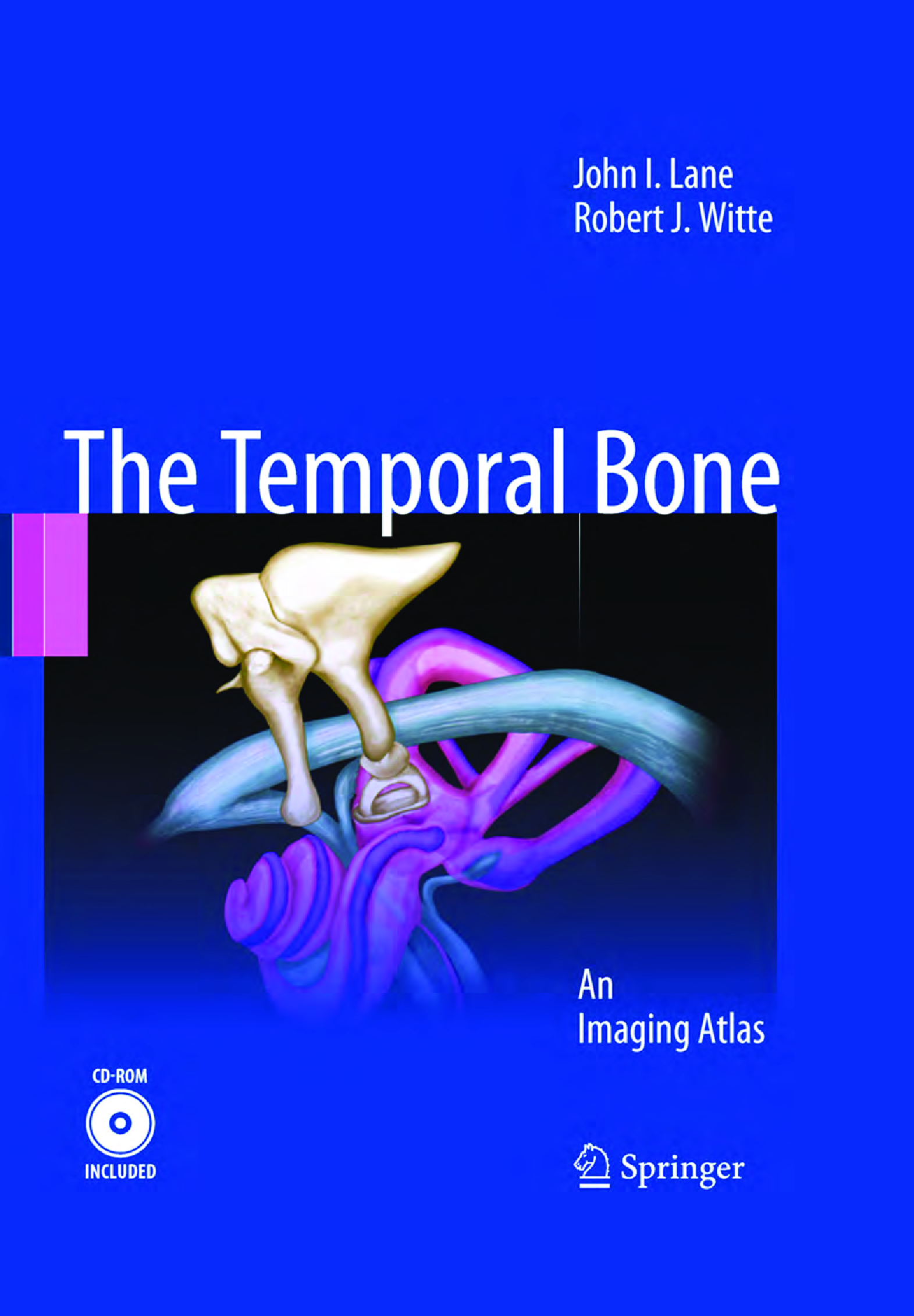
Temporal Bone: An Imaging Atlas Book by John I. Lane and Robert J. Witte
View Document

Temporal Bone: An Im...

  • Opati-Kaka

    Opati-Kaka

  • test bank

Imaging of the temporal bone has recently been advanced with multidetector CT and high-field MR imag...

16 USD

0

0

Test Bank For Human Anatomy & Physiology Laboratory Manual, Making Connections, Cat Version, 2nd Edition By Catharine C. Whiting
View Document

Test Bank For Human ...

  • Opati-Kaka

    Opati-Kaka

  • test bank

Test Bank For Human Anatomy & Physiology Laboratory Manual, Making Connections, Cat Version, 2nd Edi...

16 USD

0

0

Test Bank For Mastering Competencies in Family Therapy 3rd Edition by Gehart
View Document

Test Bank For Master...

  • Opati-Kaka

    Opati-Kaka

  • test bank

Test Bank For Mastering Competencies in Family Therapy 3rd Edition by Gehart...

16 USD

0

0

Purchase

Download link will be sent to this email immediately after purchase.

IMPORTANT LINKS

  • How To Upload Class Notes
  • Selling Tips
  • Passing Grades's Study Materials
  • Scholarships for International Students 2025

POPULAR CATEGORIES

  • Law
  • Accounting
  • English
  • Psychology
  • Business
  • Nursing
  • Computer Science
  • General

View Document

  • Blog
  • Contact
  • Delivery Policy
  • Latest Scholarships Around the World
  • How to Pass Bar Exams: Passing Grades’ Strategies
  • How to Study and Pass the CPA Exam
  • All Test Banks
  • Faq
  • Copyright Claims
  • Privacy Policy
  • Terms of Use

KNOWLEDGE BASE

  • How to Write A+ Grade Good Research Paper
  • How to Manage Stress During Exam Period
  • Best Time to Study
  • How to Pass NCLEX-RN Exam
  • How To Effectively Utilize Test Banks
  • Popular Shadow Health Exam Assessments
  • Popular HESI Case Studies
  • How to Prepare for a Nursing Career
  • The Importance Of Summaries in Exam Revisvion

© 2026 Pasing Grades. All rights reserved.