Pasing Grades
  • Start Selling
  • Blog
  • Contact
  • 0

    Your cart is empty!

English

  • English
  • Spanish
  • Arabic
Create Account Sign In
  • Library
    • New Prep Guides
    • Featured Prep Guides
    • Free Exam Prep Guides
    • Best sellers
  • General
  • Nursing
    • Research Paper
    • Case Study
    • Discussion Post
    • Assignment
    • Exam
    • Practice Questions and Answers
    • Test Bank
    • solutions manual
  • Accounting
    • Case Study
    • Thesis
    • Study Guide
    • Summary
    • Research Paper
    • test bank
  • English
    • Creative Writing
    • Research Paper
    • Summary
    • Rhetorics
    • Literature
    • Journal
    • Exam
    • Grammar
    • Discussion Post
    • Essay
  • Psychology
    • Hesi
    • Presentation
    • Essay
    • Summary
    • Study Guide
    • Essay
    • Solution Manual
    • Final Exam Review
    • Class Notes
    • test bank
  • Business
    • Lecture Notes
    • Solution Manual
    • Presentation
    • Business Plan
    • Class Notes
    • Experiment
    • Summary
    • Practice Questions
    • Study Guide
    • Case Study
    • test bank
    • Exam
  • More
    • Computer Science
    • Economics
    • Statistics
    • Engineering
    • Biology
    • Religious Studies
    • Physics
    • Chemistry
    • Mathematics
    • History
    • Sociology
    • Science
    • Philosophy
    • Law
  • Pages
    • About Us
    • Selling Tips
    • Delivery Policy
    • Faq
    • Privacy Policy
  • Flash Sale
  • Home
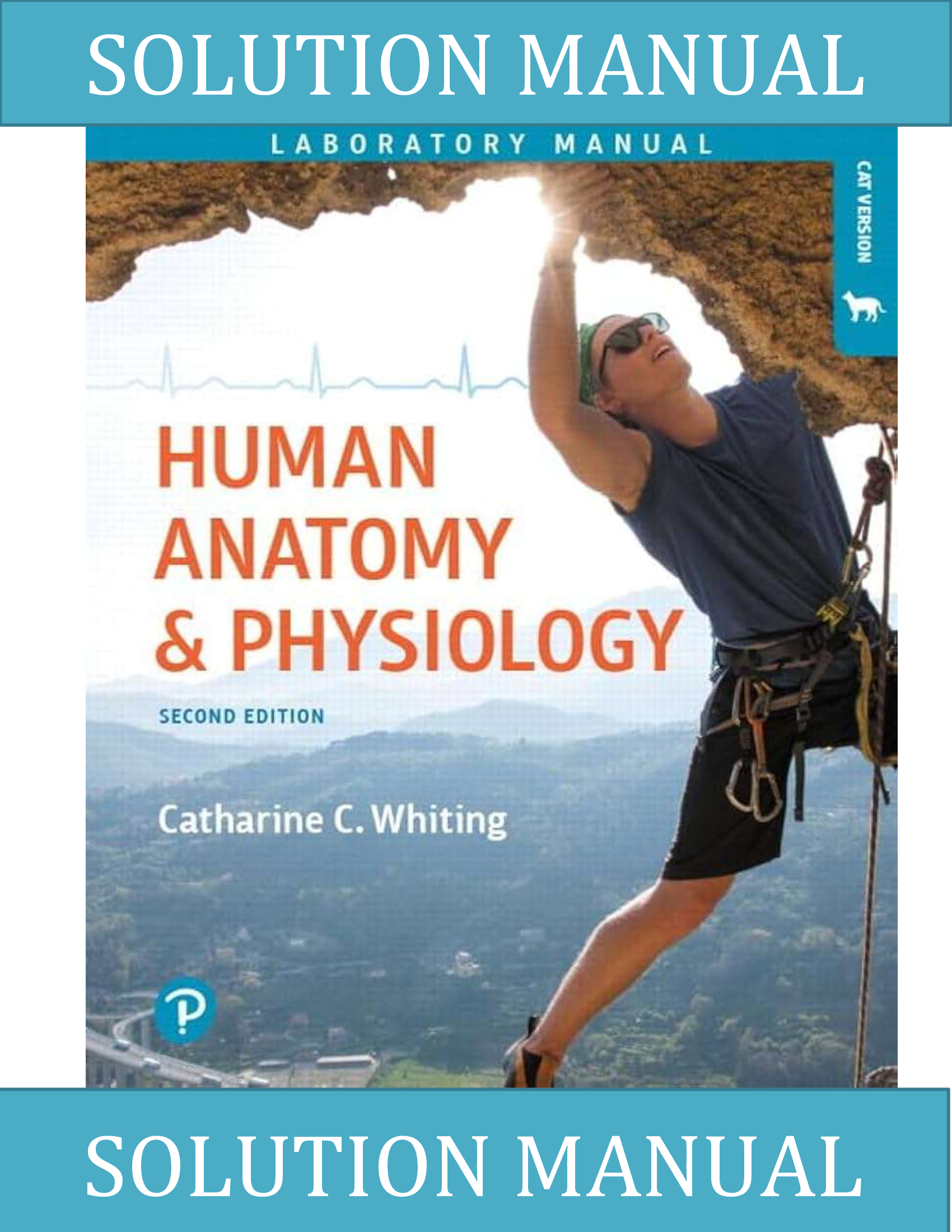
  • Solution Manual for Human Anatomy & Physiology Laboratory Manual, Making Connections, Cat Version, 2nd Edition, Catharine C. Whiting

Solution Manual for Human Anatomy & Physiology Laboratory Manual, Making Connections, Cat Version, 2nd Edition, Catharine C. Whiting

Preview page 1 Preview page 2 Preview page 3
Add To Favorites

Share this item Share this item

  • Item Details
  • Comments (0)
  • Reviews (0)
  • Contact Seller

Solution Manual for Human Anatomy & Physiology Laboratory Manual, Making Connections, Cat Version

Introduction to Anatomy and Physiology

Pedagogical Tips

1.      Establishing an active, engaging learning environment from the beginning of the course is critical. Therefore, encourage student interaction during the first lab. Ideas to help create such an environment include:

a.     Have students draw numbers as they enter the lab to determine where they sit for that lab period. Do this for each lab period, and students will have the opportunity to interact with many, if not all, of their classmates.

b.     Have students introduce themselves on the first day of class. They can share their names, major, career goals, and something unique about themselves. Such introductions are a great way to encourage students to get to know each other.

2.      Keep students busy for the entire lab period. Set up an expectation that students are required to attend the entire lab. 

Activity 1: Identifying Body Regions and Exploring Surface Anatomy (Estimated time: 20–30 minutes)

Materials and Advance Preparation

Laminated body regions poster (Figure 1-3)

Water-soluble markers

Muscle models Labeling tape

Print one poster for each lab group using Figure 1-3 found on the IRDVD and laminate.

Active Learning Tips, Modifications, and Extensions

1.      Reduce time requirement for this activity by assigning instruction #1 as part of the pre-lab assignment and starting lab with #2.

2.      Add additional muscles to extend instruction #2. Suggested muscles include: zygomaticus m., triceps brachii m., tibialis anterior m., orbicularis oculi m., and extensor digitorum m.

Activity 2: Identifying Body Cavities and Abdominopelvic Regions (Estimated time: 20–30 minutes)

Materials and Advance Preparation

Torso model

Quart-sized plastic resealable bag

Food coloring

Miscellaneous anatomical models

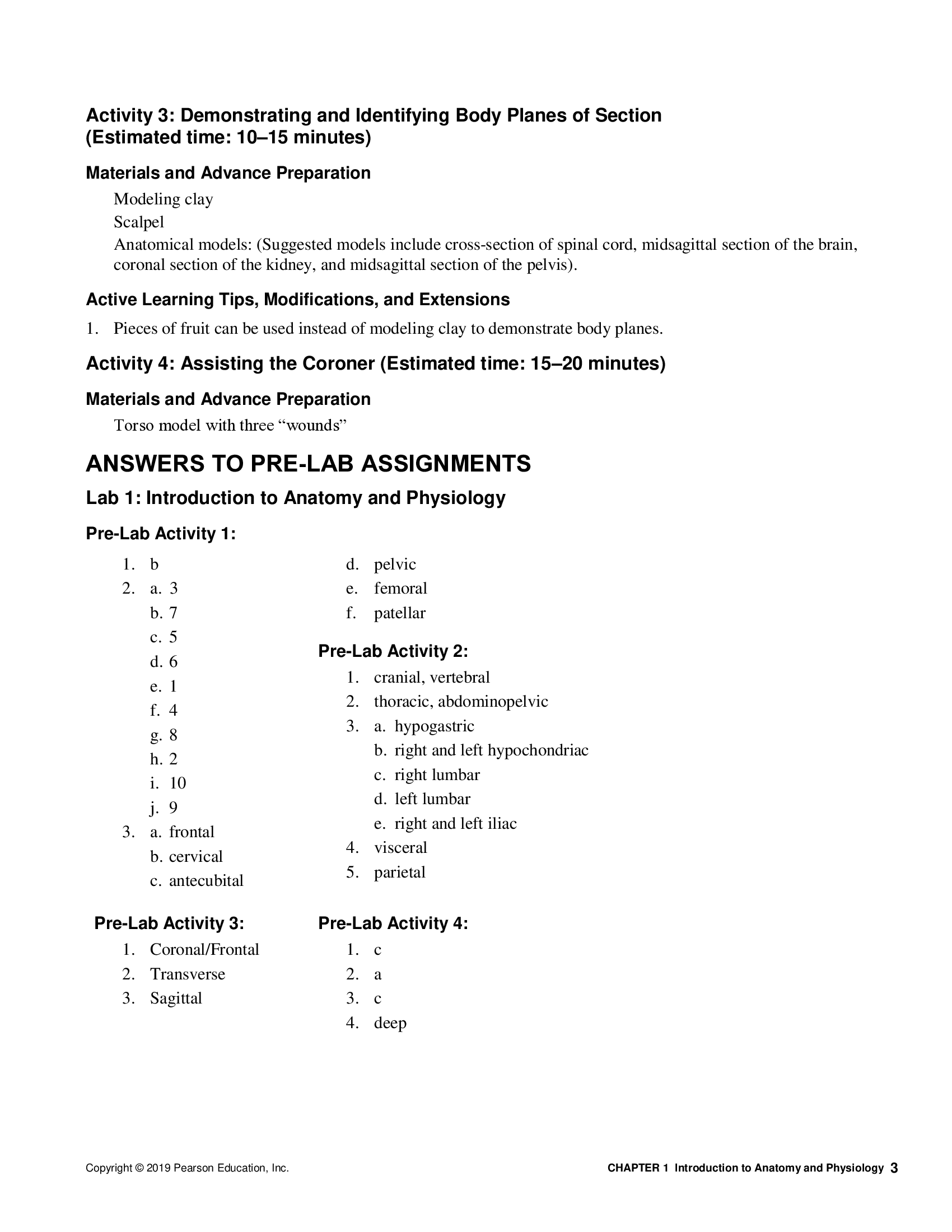
Activity 3: Demonstrating and Identifying Body Planes of Section  (Estimated time: 10–15 minutes)

Materials and Advance Preparation

Modeling clay

Scalpel

Anatomical models: (Suggested models include cross-section of spinal cord, midsagittal section of the brain, coronal section of the kidney, and midsagittal section of the pelvis).

Active Learning Tips, Modifications, and Extensions

1. Pieces of fruit can be used instead of modeling clay to demonstrate body planes.

Activity 4: Assisting the Coroner (Estimated time: 15–20 minutes)

Materials and Advance Preparation

Torso model with three “wounds”

ANSWERS TO PRE-LAB ASSIGNMENTS

Lab 1: Introduction to Anatomy and Physiology

Pre-Lab Activity 1:

1. b          d. pelvic 2. a. 3            e. femoral

b.  7          f.          patellar

c.   5

Pre-Lab Activity 2:

d.  6

e.   1          1. cranial, vertebral

f.   4          2. thoracic, abdominopelvic

g.   8          3. a. hypogastric

h.  2                      b. right and left hypochondriac

i.    10                    c. right lumbar

j.    9                      d. left lumbar

3. a. frontal                                  

e. right and left iliac

b.  cervical           4. visceral

c.   antecubital       5. parietal

Pre-Lab Activity 3:                   Pre-Lab Activity 4:

1. Coronal/Frontal           1. c 2. Transverse          2. a

3.      Sagittal          3. c

4.      deep

ANSWERS TO ACTIVITY QUESTIONS

Activity 1

2.

rectus abdominis m. 


abdominal                    


brachialis m.           


brachial                        


biceps femoris m.  


femoral                         


epicranius m.          


frontal/occipital            


mentalis m.             


mental                           


gluteus maximus m.


gluteal                          

Activity 2

A.     Body Cavities and Abdominopelvic Regions

Dorsal Body Cavity


Subdivision

Organ(s)

Cranial cavity

Brain

Vertebral cavity

Spinal cord

Ventral Body Cavity


Subdivision

Organ(s)

Thoracic cavity

Heart, lungs, esophagus

Abdominopelvic cavity


ď‚· Right hypochondriac region

Liver

ď‚· Epigastric region

Liver, stomach

ď‚· Left hypochondriac region

Spleen, stomach

ď‚· Right lumbar region

Right kidney

ď‚· Umbilical region

Small intestine, large intestine, stomach

ď‚· Left lumbar region

Left kidney

ď‚· Right iliac region

Small intestine, large intestine

ď‚· Hypogastric region

Urinary bladder, uterus, large intestine

ď‚· Left iliac region

Small intestine, large intestine


B.     Serous Membranes


1.      Place the plastic bag on top of a heart model.

The portion of the bag adjacent to the heart represents the        visceral pericardium         , the water-filled space represents the          pericardial cavity             , and the outermost portion of the bag represents the parietal         pericardium                           .

2.      Next, place the plastic bag on top of a lung model. 

The portion of the bag adjacent to the lung represents the       visceral pleura                 , the water-filled space represents the         pleural cavity                    , and the outermost portion of the bag represents the        parietal pleura                           .

3.      Finally, place the plastic bag on top of the model of the small intestine. 

The portion of the bag adjacent to the intestines represents the      visceral peritoneum      , the water-filled space represents the       peritoneal cavity               , and the outermost portion of the bag represents the       parietal peritoneum                      .

4.      What are the functions of the serous membranes and serous fluid?

      They reduce friction as organs move within the ventral body cavity.    

Activity 3

B. Answers will vary.

Activity 4

1.      Answers will vary.

ANSWERS TO POST-LAB ASSIGNMENTS

PART I. Check Your Understanding

Activity 1: Identifying Body Regions and Exploring Surface Anatomy

1.      Which of the following terms is correctly matched to its description?

a.     Manual, pertaining to the palm

d. Mental, pertaining to the chin

b.     Crural, pertaining to the calf   

e. Femoral, pertaining to the leg

c.     Acromial, pertaining to the chest

2.      Another term for the wrist is the:

a.     crural region.   d. sural region.

b.     femoral region.           

e. carpal region.

c.     popliteal region.

Activity 2: Identifying Body Cavities and Abdominopelvic Regions

1.      Identify the three ventral body cavities and the two dorsal body cavities in the following diagram. Then, name one organ found in each cavity.

a.                        Cranial                                   Brain                         

b.                       Vertebral                                Spinal cord                

c.                        Thoracic                                 Heart                         

d.                       Abdominal                              Stomach                    

e.                        Pelvic                                      Bladder                      

2.      In which specific body cavity is each of the following organs located?

a.                        Abdominopelvic       e.     Abdominopelvic            

b.                       Thoracic                   f.     Vertebral                       

c.                        Cranial                     g.     Thoracic                       

d.                       Abdominopelvic        h.     Abdominopelvic            

3.      The spleen is located in the ______________ abdominopelvic region.

a.                        left hypochondriac       d. right hypochondriac

b.                       umbilical           e. epigastric

c.                        hypogastric

4.      A bullet that lodges in the heart would:

a.                        be located in the ventral body cavity. d. penetrate the parietal pleura.

b.                       penetrate the visceral peritoneum.        e. be located laterally to a bullet that lodges in the lung. c. be located in the vertebral cavity.

Activity 3: Demonstrating and Identifying Body Planes of Section

1.      Identify the planes of section shown in the following diagrams:

a.                       transverse 

b.                      frontal  

2.      Which of the following organs could not be viewed in a midsagittal section through the body?

a.                       Brain       d. Diaphragm

b.                      Heart       e. Pancreas

c.                       Lung

Activity 4: Assisting the Coroner

1.      For each of the wound descriptions, mark the diagram with an “a,” “b,” and “c” to represent the location of each wound.

a.     A cut in the medial part of the right femoral region

b.     A wound in the left iliac region

c.     Bruising in the left thoracic region, midway between the sternal and  axillary regions

2.      Which phrase correctly describes a stab wound that penetrates the anterior liver?

a.     Medial to the sternum

c. Superior to the left inguinal region

b.     Inferior to the rib cage            

d. In the right lower quadrant

PART II. Putting It All Together A. Review Questions

Answer the following questions using your lecture notes, your textbook, and your lab notes.

1.      Indicate whether each of the following statements is true or false. If the statement is false,  correct it so that it is true.

a.     The small intestine is dorsal to the kidneys.     F; ventral                                              

b.     The trachea is lateral to the lungs.        F; medial                                                          

c.     The urinary bladder is superior to the uterus.    F; inferior                                             

d.     The brain is inferior to the skull.          F; deep                                                             

2. Assume anatomical position. Is the radius medial or lateral to the ulna?   lateral              Explain the importance of using anatomical position as a standard reference point.         So that  scientists/clinicians can communicate effectively. 

3.      Use as many directional terms as possible to describe the relationship between:

a.     the antecubital region and the popliteal region.  Antecubital region is superior to the  popliteal region. Popliteal region is posterior to the antecubital region.                         

b.     the acromial region and the mental region.      Acromial region is inferior to the mental  region. Acromial region is lateral to the mental region.                                             c. the gluteal region and the sternal region.  Gluteal region is inferior to the sternal region.             Gluteal region is posterior to the sternal region. Sternal region is medial to the gluteal      region.                                                                                                         

4.      Identify the body cavities entered during each of the following medical procedures. Begin with the largest cavity and end with the most specific body cavity. The answer for the first procedure is provided as an example.

a.     Spinal tap         Dorsal, vertebral cavity                                                                        

b.     Removal of appendix              Ventral, abdominopelvic cavity                                    

c.     Removal of gallbladder           Ventral, abdominopelvic cavity                                    

d.     Coronary bypass surgery         Ventral, thoracic, pericardial cavity                             

5.      Which body plane(s) could provide a view of both:

a.     the spinal cord and the right lung?       Transverse                                                        

b.     the trachea and the bladder?    Sagittal                                                                         

c.     the right and left kidneys?       Coronal and transverse                                                

d.     the brain and the thyroid gland?          Sagittal                                                             

B. Concept Mapping

1.      Fill in the blanks to complete this concept map outlining the anatomy of the ventral cavity. abdominopelvic cavity       diaphragm       mediastinum       thoracic cavity       ventral cavity

2.      Construct a unit concept map to show the relationships among the following set of terms.

Include all of the terms in your diagram. Your instructor may choose to assign additional terms.

dorsal cavity


   heart

hypogastric 

lung

medial

  pericardial cavity

peritoneum

pleural cavity


stomach

transverse

Answers will vary.                      

Contact the Seller

Please Sign In to contact this seller.


  • 👎  Report Copyright Violation

Frequently Asked Questions

What Do I Get When I Buy This Study Material?

+

When you buy a study material on Passing Grades, an instant download link will be sent directly to your email, giving you access to the file anytime after payment is completed.

Is Passing Grades a Trusted Platform?

+

Yes, Passing Grades is a reputable students’ marketplace with a secure payment system and reliable customer support. You can trust us to ensure a safe and seamless transaction experience.

Will I Be Stuck with a Subscription?

+

No, all purchases on Passing Grades are one-time transactions. You only pay for the notes you choose to buy, with no subscriptions or hidden fees attached.

Who Am I Buying These Study Materials From?

+

Passing Grades is a marketplace, which means you are purchasing the document from an individual vendor, not directly from us. We facilitate the payment and delivery process between you and the vendor.

Does Passing Grades Offer Free Study Materials?

+

Yes, sellers on Passing Grades have uploaded numerous free test banks, exams, practice questions, and class notes that can be downloaded at no cost.


Pasinggrades - Quality Study Materials

USD 15

    • Quality checked by Pasing Grades
    • 100% satisfaction guarantee
    • Seller: Opati-Kaka
Buy PDF $15

Seller Information

Opati-Kaka

Member since June 2021

  • icon
  • icon
View Profile
  • total sales

    0
  • Favourites

    0
  • Comments

    0
    ( 0 Ratings )

Item Information

  • Uploaded

    14 July 2025

  • Updated

    15 July 2025

  • Category

    Nursing

  • Item Type

    solution manual

  • Tags

    Solution Manual for Human Anatomy & Physiology Laboratory Manual Making Connections Cat Version 2nd Ed Whiting

Related Exam Prep Guides by Opati-Kaka

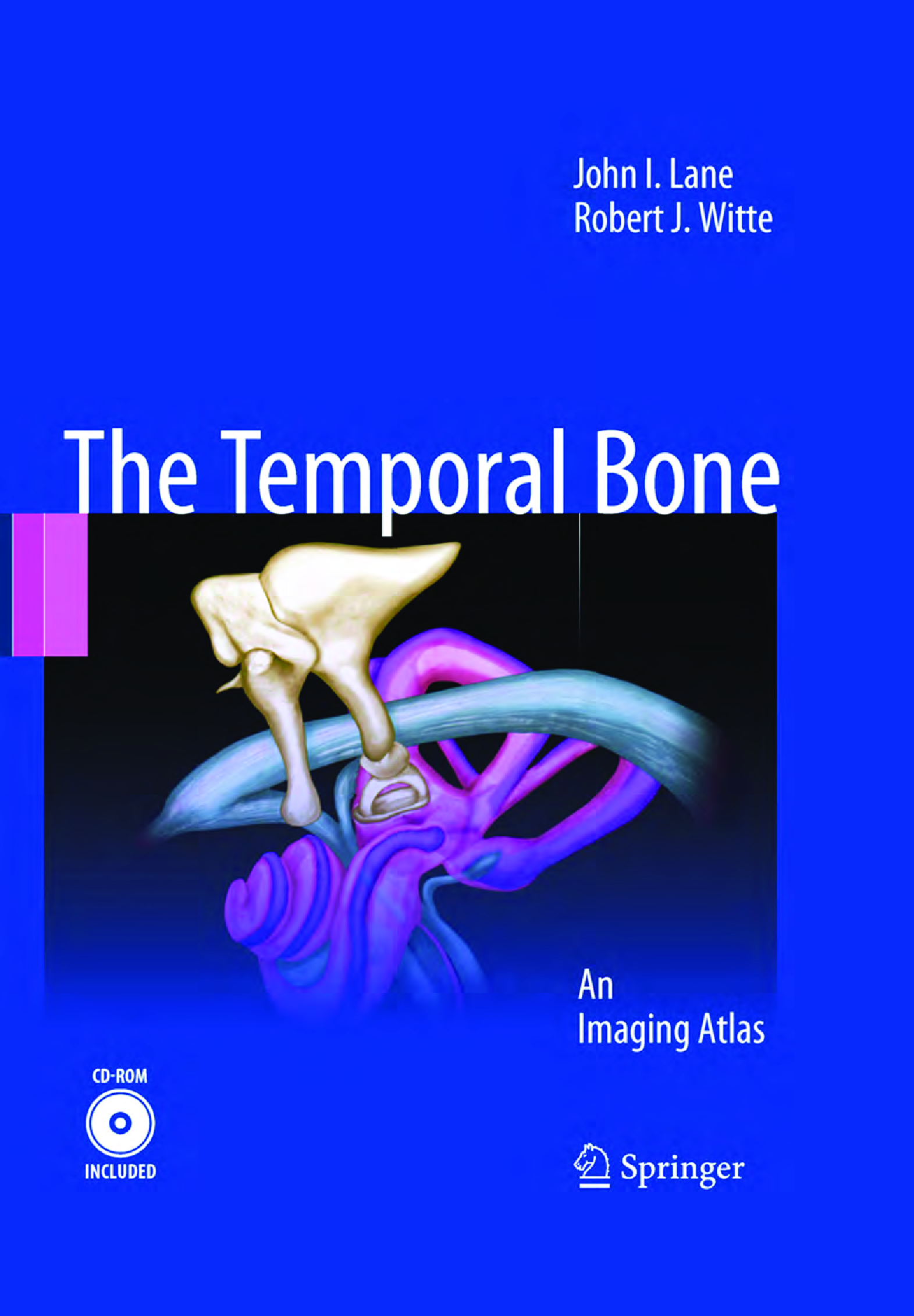
Temporal Bone: An Imaging Atlas Book by John I. Lane and Robert J. Witte
View Document

Temporal Bone: An Im...

  • Opati-Kaka

    Opati-Kaka

  • solution manual

Imaging of the temporal bone has recently been advanced with multidetector CT and high-field MR imag...

15 USD

0

0

Test Bank For Human Anatomy & Physiology Laboratory Manual, Making Connections, Cat Version, 2nd Edition By Catharine C. Whiting
View Document

Test Bank For Human ...

  • Opati-Kaka

    Opati-Kaka

  • solution manual

Test Bank For Human Anatomy & Physiology Laboratory Manual, Making Connections, Cat Version, 2nd Edi...

15 USD

0

0

Test Bank For Mastering Competencies in Family Therapy 3rd Edition by Gehart
View Document

Test Bank For Master...

  • Opati-Kaka

    Opati-Kaka

  • solution manual

Test Bank For Mastering Competencies in Family Therapy 3rd Edition by Gehart...

15 USD

0

0

Purchase

Download link will be sent to this email immediately after purchase.

IMPORTANT LINKS

  • How To Upload Class Notes
  • Selling Tips
  • Passing Grades's Study Materials
  • Scholarships for International Students 2025

POPULAR CATEGORIES

  • Law
  • Accounting
  • English
  • Psychology
  • Business
  • Nursing
  • Computer Science
  • General

View Document

  • Blog
  • Contact
  • Delivery Policy
  • Latest Scholarships Around the World
  • How to Pass Bar Exams: Passing Grades’ Strategies
  • How to Study and Pass the CPA Exam
  • All Test Banks
  • Faq
  • Copyright Claims
  • Privacy Policy
  • Terms of Use

KNOWLEDGE BASE

  • How to Write A+ Grade Good Research Paper
  • How to Manage Stress During Exam Period
  • Best Time to Study
  • How to Pass NCLEX-RN Exam
  • How To Effectively Utilize Test Banks
  • Popular Shadow Health Exam Assessments
  • Popular HESI Case Studies
  • How to Prepare for a Nursing Career
  • The Importance Of Summaries in Exam Revisvion

© 2026 Pasing Grades. All rights reserved.