Pasing Grades
  • Start Selling
  • Blog
  • Contact
  • 0

    Your cart is empty!

English

  • English
  • Spanish
  • Arabic
Create Account Sign In
  • Library
    • New Prep Guides
    • Featured Prep Guides
    • Free Exam Prep Guides
    • Best sellers
  • General
  • Nursing
    • Research Paper
    • Case Study
    • Discussion Post
    • Assignment
    • Exam
    • Practice Questions and Answers
    • Test Bank
    • solutions manual
  • Accounting
    • Case Study
    • Thesis
    • Study Guide
    • Summary
    • Research Paper
    • test bank
  • English
    • Creative Writing
    • Research Paper
    • Summary
    • Rhetorics
    • Literature
    • Journal
    • Exam
    • Grammar
    • Discussion Post
    • Essay
  • Psychology
    • Hesi
    • Presentation
    • Essay
    • Summary
    • Study Guide
    • Essay
    • Solution Manual
    • Final Exam Review
    • Class Notes
    • test bank
  • Business
    • Lecture Notes
    • Solution Manual
    • Presentation
    • Business Plan
    • Class Notes
    • Experiment
    • Summary
    • Practice Questions
    • Study Guide
    • Case Study
    • test bank
    • Exam
  • More
    • Computer Science
    • Economics
    • Statistics
    • Engineering
    • Biology
    • Religious Studies
    • Physics
    • Chemistry
    • Mathematics
    • History
    • Sociology
    • Science
    • Philosophy
    • Law
  • Pages
    • About Us
    • Selling Tips
    • Delivery Policy
    • Faq
    • Privacy Policy
  • Flash Sale
  • Home
  • Best Test Bank for Seeleys Anatomy and Physiology, 12th Edition VanPutte All Chapters

Best Test Bank for Seeleys Anatomy and Physiology, 12th Edition VanPutte All Chapters

Preview page 1 Preview page 2 Preview page 3
Add To Favorites

Share this item Share this item

  • Item Details
  • Comments (0)
  • Reviews (0)
  • Contact Seller

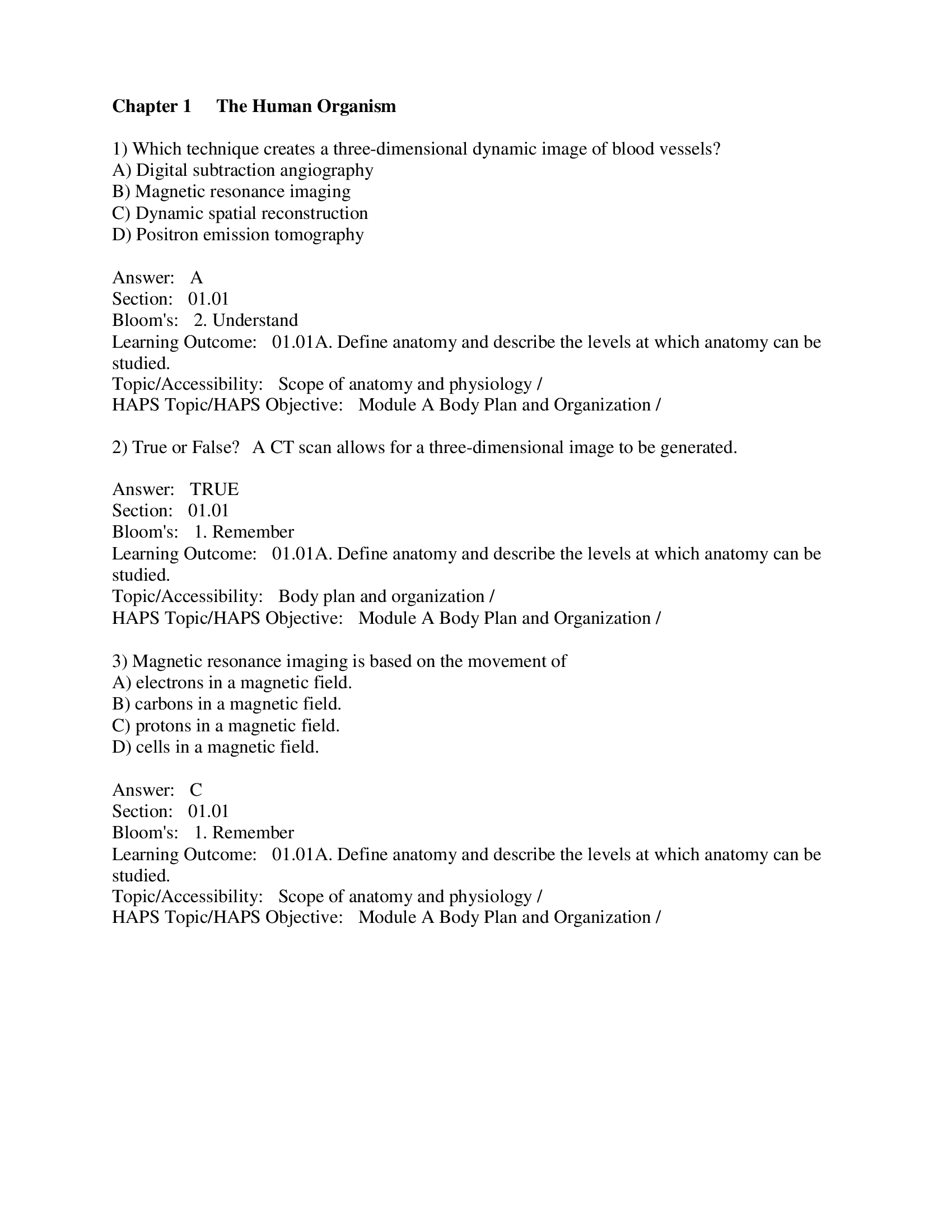
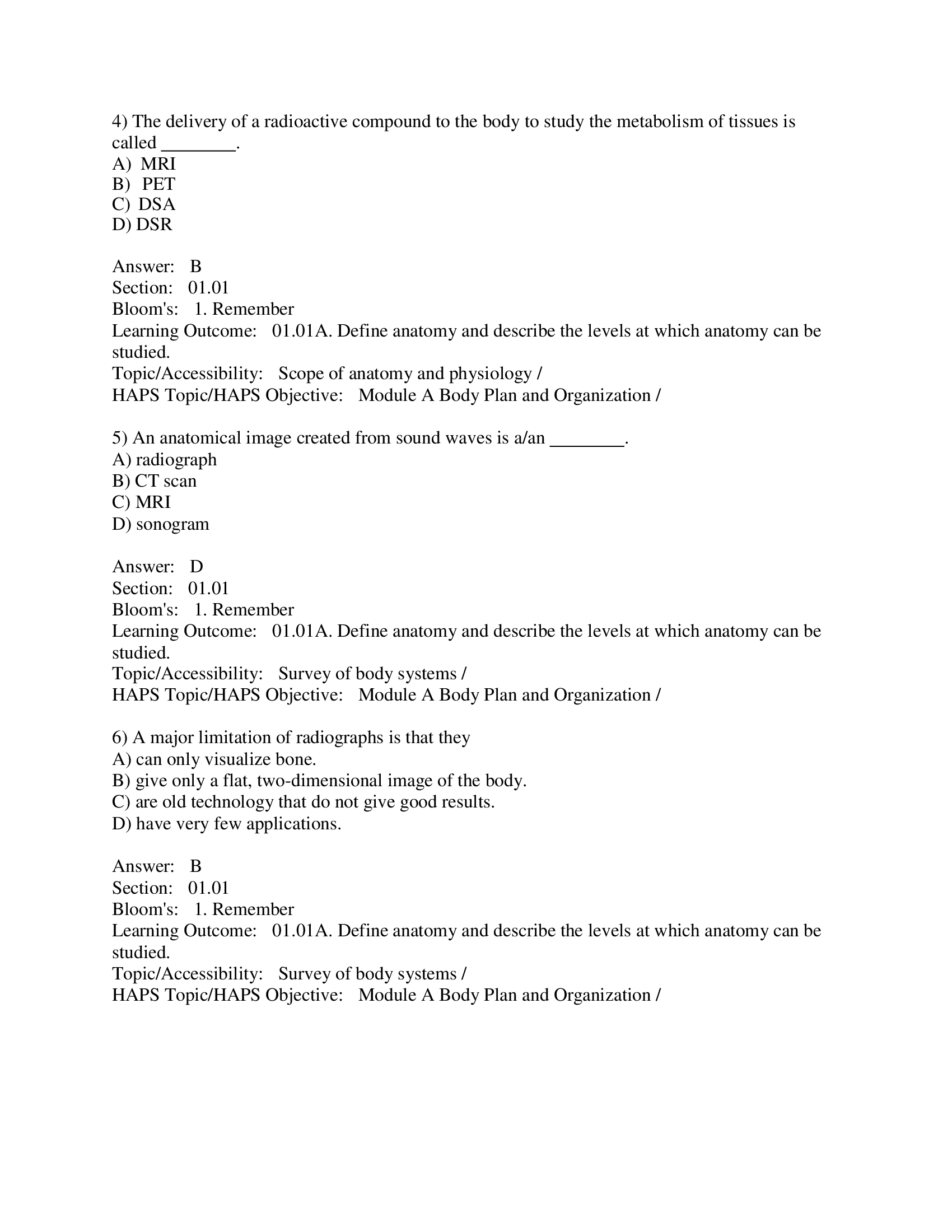
Test Bank for Seeley's Anatomy and Physiology, 12th Edition VanPutte All Chapters Chapter 1 The Human Organism 1) Which technique creates a three-dimensional dynamic image of blood vessels? A) Digital subtraction angiography B) Magnetic resonance imaging C) Dynamic spatial reconstruction D) Positron emission tomography Answer: A Section: 01.01 Bloom's: 2. Understand Learning Outcome: 01.01A. Define anatomy and describe the levels at which anatomy can be studied. Topic/Accessibility: Scope of anatomy and physiology / HAPS Topic/HAPS Objective: Module A Body Plan and Organization / 2) True or False? A CT scan allows for a three-dimensional image to be generated. Answer: TRUE Section: 01.01 Bloom's: 1. Remember Learning Outcome: 01.01A. Define anatomy and describe the levels at which anatomy can be studied. Topic/Accessibility: Body plan and organization / HAPS Topic/HAPS Objective: Module A Body Plan and Organization / 3) Magnetic resonance imaging is based on the movement of A) electrons in a magnetic field. B) carbons in a magnetic field. C) protons in a magnetic field. D) cells in a magnetic field. Answer: C Section: 01.01 Bloom's: 1. Remember Learning Outcome: 01.01A. Define anatomy and describe the levels at which anatomy can be studied. Topic/Accessibility: Scope of anatomy and physiology / HAPS Topic/HAPS Objective: Module A Body Plan and Organization / 4) The delivery of a radioactive compound to the body to study the metabolism of tissues is called . A) MRI B) PET C) DSA D) DSR Answer: B Section: 01.01 Bloom's: 1. Remember Learning Outcome: 01.01A. Define anatomy and describe the levels at which anatomy can be studied. Topic/Accessibility: Scope of anatomy and physiology / HAPS Topic/HAPS Objective: Module A Body Plan and Organization / 5) An anatomical image created from sound waves is a/an . A) radiograph B) CT scan C) MRI D) sonogram Answer: D Section: 01.01 Bloom's: 1. Remember Learning Outcome: 01.01A. Define anatomy and describe the levels at which anatomy can be studied. Topic/Accessibility: Survey of body systems / HAPS Topic/HAPS Objective: Module A Body Plan and Organization / 6) A major limitation of radiographs is that they A) can only visualize bone. B) give only a flat, two-dimensional image of the body. C) are old technology that do not give good results. D) have very few applications. Answer: B Section: 01.01 Bloom's: 1. Remember Learning Outcome: 01.01A. Define anatomy and describe the levels at which anatomy can be studied. Topic/Accessibility: Survey of body systems / HAPS Topic/HAPS Objective: Module A Body Plan and Organization / 7) The study of the body's organization by areas is . A) systemic anatomy B) regional anatomy C) molecular biology D) microbiology E) surface anatomy Answer: B Section: 01.01 Bloom's: 1. Remember Learning Outcome: 01.01A. Define anatomy and describe the levels at which anatomy can be studied. Topic/Accessibility: Scope of anatomy and physiology / HAPS Topic/HAPS Objective: Module A Body Plan and Organization / A05.01 Define the terms anatomy and physiology. 8) The study of the external form of the body and its relationship to deeper structures is . A) systemic anatomy B) regional anatomy C) molecular biology D) microbiology E) surface anatomy Answer: E Section: 01.01 Bloom's: 1. Remember Learning Outcome: 01.01A. Define anatomy and describe the levels at which anatomy can be studied. Topic/Accessibility: Survey of body systems / HAPS Topic/HAPS Objective: Module A Body Plan and Organization / A05.01 Define the terms anatomy and physiology. 9) The study of tissues is . A) cytology B) histology C) molecular biology D) microbiology E) surface anatomy Answer: B Section: 01.01 Bloom's: 1. Remember Learning Outcome: 01.01A. Define anatomy and describe the levels at which anatomy can be studied. Topic/Accessibility: Survey of body systems / HAPS Topic/HAPS Objective: Module A Body Plan and Organization / A05.01 Define the terms anatomy and physiology. 10) Anatomy is A) the study of function. B) a branch of physiology. C) the study of structure. D) the study of living organisms. E) the study of homeostasis. Answer: C Section: 01.01 Bloom's: 1. Remember Learning Outcome: 01.01A. Define anatomy and describe the levels at which anatomy can be studied. Topic/Accessibility: Survey of body systems / HAPS Topic/HAPS Objective: Module A Body Plan and Organization / A05.01 Define the terms anatomy and physiology. 11) The study of the structural features and functions of the cell is . A) cytology B) histology C) molecular biology D) microbiology E) surface anatomy Answer: A Section: 01.01 Bloom's: 1. Remember Learning Outcome: 01.01A. Define anatomy and describe the levels at which anatomy can be studied. Topic/Accessibility: Survey of body systems / HAPS Topic/HAPS Objective: Module A Body Plan and Organization / A05.01 Define the terms anatomy and physiology. 12) Microscopic examination of a frozen tissue specimen is an application of which of the following disciplines? A) Histology B) Physiology C) Gross anatomy D) Radiology E) Regional anatomy Answer: A Section: 01.01 Bloom's: 3. Apply Learning Outcome: 01.01A. Define anatomy and describe the levels at which anatomy can be studied. Topic/Accessibility: Survey of body systems / HAPS Topic/HAPS Objective: Module A Body Plan and Organization / A05.01 Define the terms anatomy and physiology. 13) Which subdivision of anatomy involves the study of organs that function together? A) Regional B) Developmental C) Systemic D) Histology E) Surface anatomy Answer: C Section: 01.01 Bloom's: 1. Remember Learning Outcome: 01.01A. Define anatomy and describe the levels at which anatomy can be studied. Topic/Accessibility: Survey of body systems / HAPS Topic/HAPS Objective: Module A Body Plan and Organization / A05.01 Define the terms anatomy and physiology. 14) An investigator who conducts an experiment to determine how changes in pH affect the function of enzymes on digestion is most likely to be a/an . A) neurologist B) anatomist C) engineer D) physiologist E) histologist Answer: D Section: 01.01 Bloom's: 2. Understand Learning Outcome: 01.01C. Explain the importance of the relationship between structure and function. Topic/Accessibility: Survey of body systems / HAPS Topic/HAPS Objective: Module A Body Plan and Organization / A05.01 Define the terms anatomy and physiology. 15) An organelle is A) a small structure within a cell. B) a structure composed of several tissue types. C) the basic structural unit of all living organisms. D) a group of organs with a common set of functions. E) a group of cells with similar structure and function. Answer: A Section: 01.02 Bloom's: 1. Remember Learning Outcome: 01.02A. Name the six levels of organization of the body and describe the major characteristics of each level. Topic/Accessibility: Levels of organization / HAPS Topic/HAPS Objective: Module A Body Plan and Organization / A06.01 Describe, in order from simplest to most complex, the major levels of organization in the human organism. 16) An organ is A) a small structure within a cell. B) a structure composed of several tissue types. C) the basic structural unit of all living organisms. D) a group of molecules with a common set of functions. E) a group of cells with similar structure and function. Answer: B Section: 01.02 Bloom's: 1. Remember Learning Outcome: 01.02A. Name the six levels of organization of the body and describe the major characteristics of each level. Topic/Accessibility: Levels of organization / HAPS Topic/HAPS Objective: Module A Body Plan and Organization / A06.01 Describe, in order from simplest to most complex, the major levels of organization in the human organism. 17) A cell is A) a small structure within a molecule. B) a structure composed of several tissue types. C) the basic structural unit of living organisms. D) a group of organs with a common set of functions. E) a group of atoms with similar structure and function. Answer: C Section: 01.02 Bloom's: 1. Remember Learning Outcome: 01.02A. Name the six levels of organization of the body and describe the major characteristics of each level. Topic/Accessibility: Levels of organization / HAPS Topic/HAPS Objective: Module A Body Plan and Organization / A06.01 Describe, in order from simplest to most complex, the major levels of organization in the human organism. 18) A tissue is a A) structure contained within a cell. B) lower level of organization than a cell. C) group of organs that performs specific functions. D) group of cells with similar structure and function. E) structure that contains a group of organs. Answer: D Section: 01.02 Bloom's: 1. Remember Learning Outcome: 01.02A. Name the six levels of organization of the body and describe the major characteristics of each level. Topic/Accessibility: Levels of organization / HAPS Topic/HAPS Objective: Module A Body Plan and Organization / A06.01 Describe, in order from simplest to most complex, the major levels of organization in the human organism. 19) An organ system is A) a small structure within a cell. B) a structure composed of several tissue types. C) the basic structural unit of all living organisms. D) a group of organs with a common set of functions. E) a group of cells with similar structure and function. Answer: D Section: 01.02 Bloom's: 1. Remember Learning Outcome: 01.02A. Name the six levels of organization of the body and describe the major characteristics of each level. Topic/Accessibility: Levels of organization / HAPS Topic/HAPS Objective: Module A Body Plan and Organization / A06.01 Describe, in order from simplest to most complex, the major levels of organization in the human organism. 20) Which of the following systems carries necessary compounds like oxygen and nutrients throughout the body? A) Nervous B) Cardiovascular C) Urinary D) Lymphatic E) Respiratory Answer: B Section: 01.02 Bloom's: 1. Remember Learning Outcome: 01.02B. List the 11 organ systems, identify their components, and describe the major functions of each system. Topic/Accessibility: Survey of body systems / HAPS Topic/HAPS Objective: Module A Body Plan and Organization / A07.01 List the organ systems of the human body and their major components. 21) Which organ system is the location of blood cell production? A) Cardiovascular B) Skeletal C) Digestive D) Nervous E) Endocrine Answer: B Section: 01.02 Bloom's: 1. Remember Learning Outcome: 01.02B. List the 11 organ systems, identify their components, and describe the major functions of each system. Topic/Accessibility: Survey of body systems / HAPS Topic/HAPS Objective: Module A Body Plan and Organization / A07.01 List the organ systems of the human body and their major components. 22) Which body system would be affected by degeneration of cartilage in joints? A) Muscular B) Nervous C) Cardiovascular D) Skeletal E) Lymphatic Answer: D Section: 01.02 Bloom's: 1. Remember Learning Outcome: 01.02B. List the 11 organ systems, identify their components, and describe the major functions of each system. Topic/Accessibility: Survey of body systems / HAPS Topic/HAPS Objective: Module A Body Plan and Organization / A07.01 List the organ systems of the human body and their major components. 23) The gallbladder, liver, and stomach are all part of the system. A) endocrine B) cardiovascular C) skeletal D) respiratory E) digestive Answer: E Section: 01.02 Bloom's: 1. Remember Learning Outcome: 01.02B. List the 11 organ systems, identify their components, and describe the major functions of each system. Topic/Accessibility: Survey of body systems / HAPS Topic/HAPS Objective: Module A Body Plan and Organization / A07.01 List the organ systems of the human body and their major components. 24) The integumentary system A) regulates body temperature. B) breaks down food into small particles for absorption. C) controls intellectual functions. D) produces body movements. E) coordinates and integrates body function. Answer: A Section: 01.02 Bloom's: 1. Remember Learning Outcome: 01.02B. List the 11 organ systems, identify their components, and describe the major functions of each system. Topic/Accessibility: Survey of body systems / HAPS Topic/HAPS Objective: Module A Body Plan and Organization / A07.01 List the organ systems of the human body and their major components. 25) Which system removes nitrogenous waste products from the blood and regulates blood pH, ion balance, and water balance? A) Respiratory B) Lymphatic C) Cardiovascular D) Immune E) Urinary Answer: E Section: 01.02 Bloom's: 1. Remember Learning Outcome: 01.02B. List the 11 organ systems, identify their components, and describe the major functions of each system. Topic/Accessibility: Survey of body systems / HAPS Topic/HAPS Objective: Module A Body Plan and Organization / A07.01 List the organ systems of the human body and their major components. 26) An organism's ability to use energy in order to swim is an example of . A) metabolism B) responsiveness C) organization D) maturation E) development Answer: A Section: 01.03 Bloom's: 2. Understand Learning Outcome: 01.03A. List and define the six characteristics of life. Topic/Accessibility: Levels of organization / HAPS Topic/HAPS Objective: Module A Body Plan and Organization / 27) The changes an organism undergoes through time is called . A) organization B) metabolism C) reproduction D) growth E) development Answer: E Section: 01.03 Bloom's: 1. Remember Learning Outcome: 01.03A. List and define the six characteristics of life. Topic/Accessibility: Levels of organization / HAPS Topic/HAPS Objective: Module A Body Plan and Organization / 28) Nerve cells generate electrical signals in response to changes in the environment. This is an example of . A) respiration B) digestion C) movement D) filtration E) responsiveness Answer: E Section: 01.03 Bloom's: 2. Understand Learning Outcome: 01.03A. List and define the six characteristics of life. Topic/Accessibility: Survey of body systems / HAPS Topic/HAPS Objective: Module A Body Plan and Organization / 29) An increase in the number of cells is . A) reproduction B) growth C) differentiation D) metabolism E) organization Answer: B Section: 01.03 Bloom's: 1. Remember Learning Outcome: 01.03A. List and define the six characteristics of life. Topic/Accessibility: Survey of body systems / HAPS Topic/HAPS Objective: Module A Body Plan and Organization / 30) Which of the following is most consistent with homeostasis? A) As blood pressure falls, blood flow to cardiac (heart) muscle decreases. B) As the mean blood pressure gradually increases in aging people, the blood vessel walls become thinner. C) Men working in a hot environment drink large quantities of water, and their urine volume increases. D) As body temperature decreases, blood vessels in the periphery dilate. E) Elevated blood glucose levels cause insulin secretion to increase, which in turn, causes cells to take up glucose. Answer: E

Contact the Seller

Please Sign In to contact this seller.


  • 👎  Report Copyright Violation

Frequently Asked Questions

What Do I Get When I Buy This Study Material?

+

When you buy a study material on Passing Grades, an instant download link will be sent directly to your email, giving you access to the file anytime after payment is completed.

Is Passing Grades a Trusted Platform?

+

Yes, Passing Grades is a reputable students’ marketplace with a secure payment system and reliable customer support. You can trust us to ensure a safe and seamless transaction experience.

Will I Be Stuck with a Subscription?

+

No, all purchases on Passing Grades are one-time transactions. You only pay for the notes you choose to buy, with no subscriptions or hidden fees attached.

Who Am I Buying These Study Materials From?

+

Passing Grades is a marketplace, which means you are purchasing the document from an individual vendor, not directly from us. We facilitate the payment and delivery process between you and the vendor.

Does Passing Grades Offer Free Study Materials?

+

Yes, sellers on Passing Grades have uploaded numerous free test banks, exams, practice questions, and class notes that can be downloaded at no cost.

Pasinggrades - Quality Study Materials

USD 17

    • Quality checked by Pasing Grades
    • 100% satisfaction guarantee
    • Seller: Opati-Kaka
Buy PDF $17

Seller Information

Opati-Kaka

Member since June 2021

  • icon
  • icon
View Profile
  • total sales

    0
  • Favourites

    0
  • Comments

    0
    ( 0 Ratings )

Item Information

  • Uploaded

    10 February 2024

  • Updated

    24 October 2025

  • Category

    Nursing

  • Item Type

    test bank

  • Tags

    Test Bank for Seeley's Anatomy and Physiology 12th Edition VanPutte All Chapters

Related Exam Prep Guides by Opati-Kaka

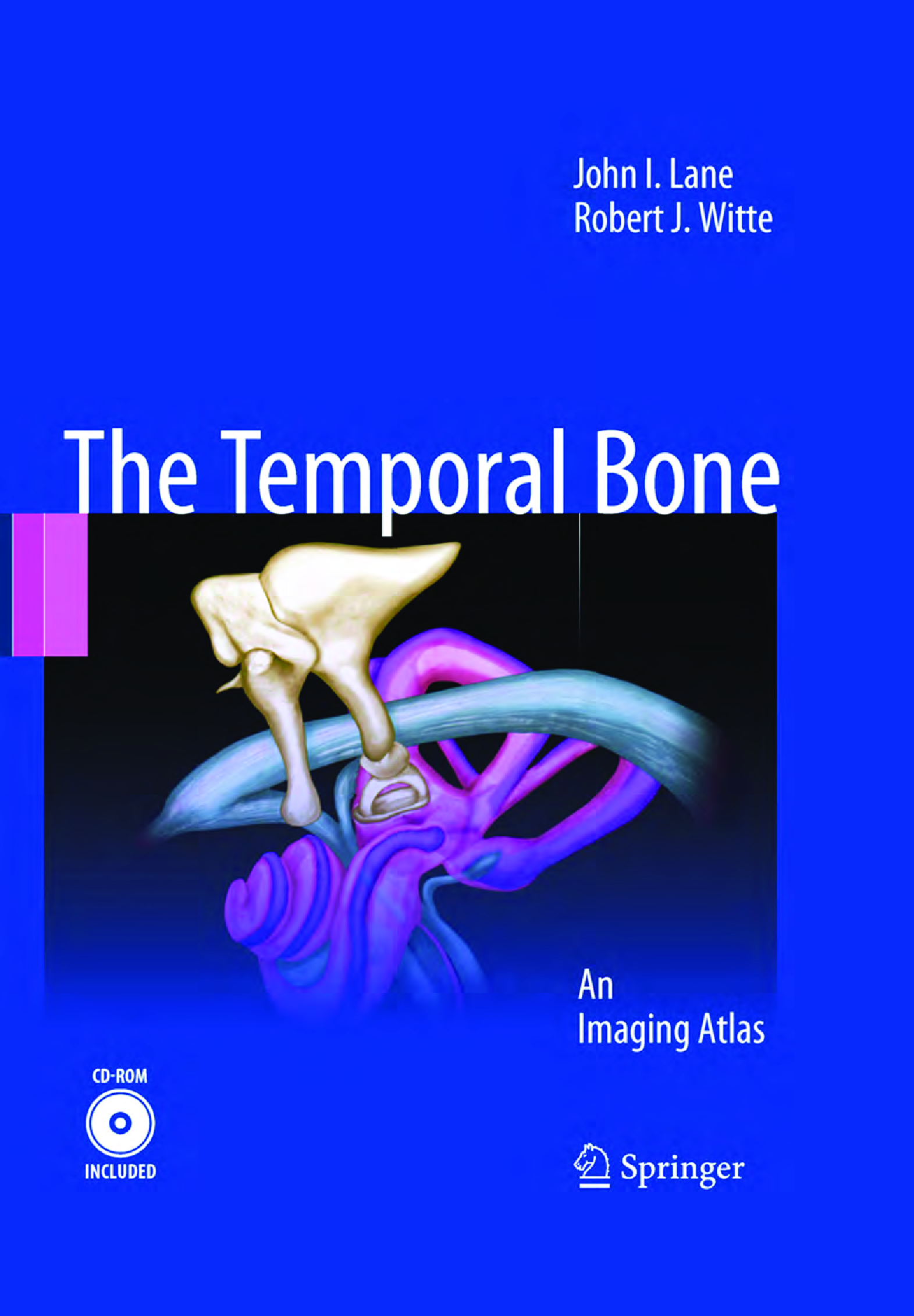
Temporal Bone: An Imaging Atlas Book by John I. Lane and Robert J. Witte
View Document

Temporal Bone: An Im...

  • Opati-Kaka

    Opati-Kaka

  • test bank

Imaging of the temporal bone has recently been advanced with multidetector CT and high-field MR imag...

17 USD

0

0

Test Bank For Human Anatomy & Physiology Laboratory Manual, Making Connections, Cat Version, 2nd Edition By Catharine C. Whiting
View Document

Test Bank For Human ...

  • Opati-Kaka

    Opati-Kaka

  • test bank

Test Bank For Human Anatomy & Physiology Laboratory Manual, Making Connections, Cat Version, 2nd Edi...

17 USD

0

0

Test Bank For Mastering Competencies in Family Therapy 3rd Edition by Gehart
View Document

Test Bank For Master...

  • Opati-Kaka

    Opati-Kaka

  • test bank

Test Bank For Mastering Competencies in Family Therapy 3rd Edition by Gehart...

17 USD

0

0

Purchase

Download link will be sent to this email immediately after purchase.

IMPORTANT LINKS

  • How To Upload Class Notes
  • Selling Tips
  • Passing Grades's Study Materials
  • Scholarships for International Students 2025

POPULAR CATEGORIES

  • Law
  • Accounting
  • English
  • Psychology
  • Business
  • Nursing
  • Computer Science
  • General

View Document

  • Blog
  • Contact
  • Delivery Policy
  • Latest Scholarships Around the World
  • How to Pass Bar Exams: Passing Grades’ Strategies
  • How to Study and Pass the CPA Exam
  • All Test Banks
  • Faq
  • Copyright Claims
  • Privacy Policy
  • Terms of Use

KNOWLEDGE BASE

  • How to Write A+ Grade Good Research Paper
  • How to Manage Stress During Exam Period
  • Best Time to Study
  • How to Pass NCLEX-RN Exam
  • How To Effectively Utilize Test Banks
  • Popular Shadow Health Exam Assessments
  • Popular HESI Case Studies
  • How to Prepare for a Nursing Career
  • The Importance Of Summaries in Exam Revisvion

© 2026 Pasing Grades. All rights reserved.