
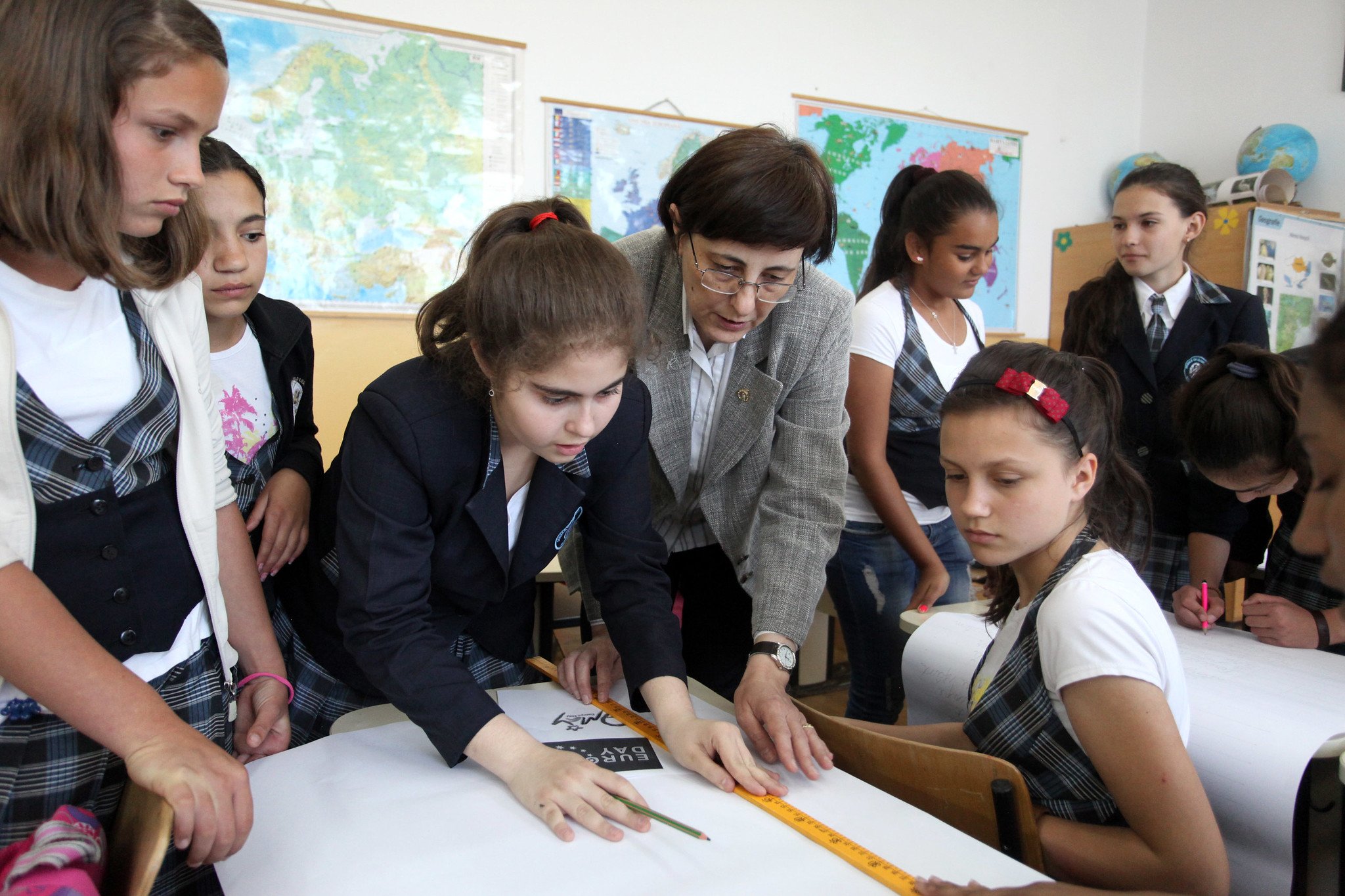
The demand for high-quality supplementary education continues to grow across Europe, and an education franchise in Romania represents a strong opportunity for entrepreneurs seeking both stability and social impact. As families increasingly prioritize intellectual development, structured learning programs are becoming an essential part of childhood education.
Romania’s expanding middle class and rising awareness of cognitive training create favorable conditions for educational businesses. Parents are no longer satisfied with traditional schooling alone; they look for additional programs that strengthen analytical thinking, memory, and concentration. This shift opens the door for scalable franchise models in the education sector.
Growing Demand for Supplementary Learning Programs
In recent years, Romanian families have shown greater interest in extracurricular development. Beyond language courses and tutoring, there is increasing attention to programs that build cognitive flexibility and mental agility. Such skills are crucial in a fast-changing global economy.
An education franchise benefits from this trend by offering a structured methodology and measurable results. Parents value transparency and clear progress indicators, which enhance trust and long-term commitment.
Advantages of the Franchise Model
Launching an independent educational center can be challenging due to curriculum development, branding, and marketing complexities. A franchise system significantly reduces these risks by providing a proven framework. Typically, it includes:
-
established teaching methodologies and materials
-
brand recognition and marketing support
-
training programs for instructors and managers
-
ongoing operational guidance
This structure allows franchise owners to focus on business growth and community engagement instead of starting from zero.
Market Potential in Romania
Romania’s urban centers, including Bucharest, Cluj-Napoca, and Timisoara, demonstrate strong demand for modern educational services. With increasing digitalization and globalization, parents understand the importance of preparing children for competitive academic and professional environments.
Educational franchises can adapt to local needs while maintaining international standards. This combination of global methodology and regional flexibility enhances competitiveness and sustainability in the market.
Long-Term Stability and Social Value
Education remains one of the most resilient industries. Even during economic uncertainty, families continue investing in their children’s development. This makes the sector more stable compared to many consumer-driven businesses.
Beyond financial returns, operating an education franchise contributes to long-term community growth. By helping children develop strong cognitive skills, franchise owners actively participate in shaping future generations.
Investing in an education franchise in Romania offers more than commercial opportunity. It combines structured business support, rising market demand, and meaningful social contribution. For entrepreneurs seeking both profitability and purpose, this direction provides a balanced and sustainable path forward.
0
196