
Regular eye exams are essential for maintaining optimal vision health and detecting any potential issues early on. Whether you're scheduling your first eye exam or due for a routine check-up, knowing what to expect and how to prepare can help ensure a successful and informative appointment. In this guide, we'll provide insider tips for acing your eye exam, covering what to expect during the exam and how to prepare effectively.
Understanding the Importance of Eye Exams
Eye exams play a crucial role in monitoring the health of your eyes and detecting any signs of vision problems or underlying conditions. During an eye exam, an optometrist or ophthalmologist will evaluate various aspects of your vision and eye health, including visual acuity, eye coordination, and the presence of any abnormalities or diseases.
Regular eye exams are especially important for individuals with risk factors such as family history of eye conditions, age-related changes in vision, or chronic health conditions like diabetes. Early detection and treatment of vision problems can help preserve your vision and prevent complications down the line.
What to Expect During the Eye Exam
During your eye exam, your eye care provider will conduct several tests and assessments to evaluate your vision and overall eye health. Here's what you can expect during the exam:
- Visual acuity test: You'll be asked to read letters or symbols from a chart at various distances to assess your ability to see clearly.
- Refraction test: Your eye doctor may use a phoropter or similar device to determine the most accurate prescription for corrective lenses (if needed).
- Eye muscle movement test: Your eye movements will be evaluated to assess eye coordination and alignment.
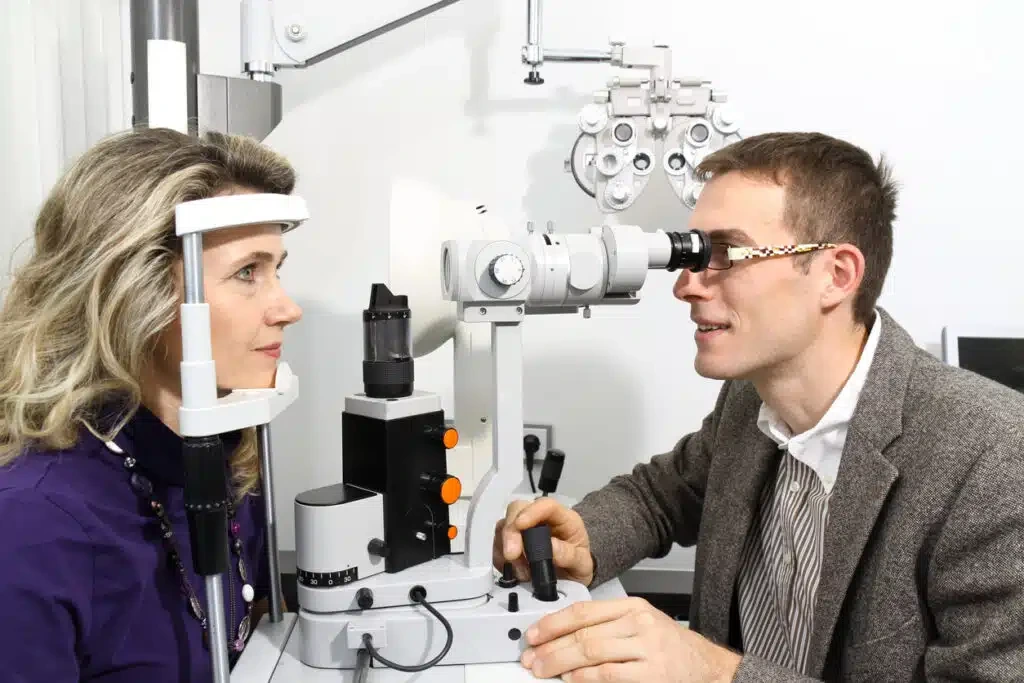
- Slit lamp examination: A special microscope called a slit lamp will be used to examine the structures of your eye, including the cornea, iris, and lens.
- Tonometry: This test measures the pressure inside your eyes, which can help detect signs of glaucoma.
- Dilation: Your pupils may be dilated using eye drops to allow for a more thorough examination of the retina and optic nerve.
How to Prepare for Your Eye Exam
To make the most of your eye exam experience and ensure accurate results, consider the following tips for preparation:
- Bring relevant information: Be prepared to provide information about your medical history, including any medications you're currently taking and any previous eye conditions or surgeries.
- Bring your current eyewear: If you wear glasses or contact lenses, bring them to your appointment. Your eye doctor may need to assess your current prescription.
- Write down questions: Take some time to jot down any questions or concerns you have about your vision or eye health. Your eye doctor can address these during your appointment.
- Arrive early: Arriving early for your appointment allows time for check-in and any necessary paperwork.
- Consider your schedule: Keep in mind that your eyes may be sensitive to light and your vision may be temporarily blurred after pupil dilation. Plan your schedule accordingly, and consider bringing sunglasses to wear afterward.
After the Eye Exam
After your eye exam, your eye care provider will discuss the results with you and recommend any necessary follow-up care or treatment options. Be sure to ask questions if you need clarification on any aspect of your eye health or treatment plan.
If new glasses or contact lenses are prescribed, you may need to visit an optical shop to select frames or order lenses. Follow any recommendations for follow-up appointments or ongoing care to ensure the continued health and well-being of your eyes.
In conclusion, acing your eye exam involves understanding what to expect during the exam and preparing effectively for the appointment. By following the insider tips outlined in this guide, you can approach your eye exam with confidence, maximize the benefits of the exam, and take proactive steps to preserve your vision health. Remember to prioritize regular eye exams as part of your overall health care routine.
0
464