
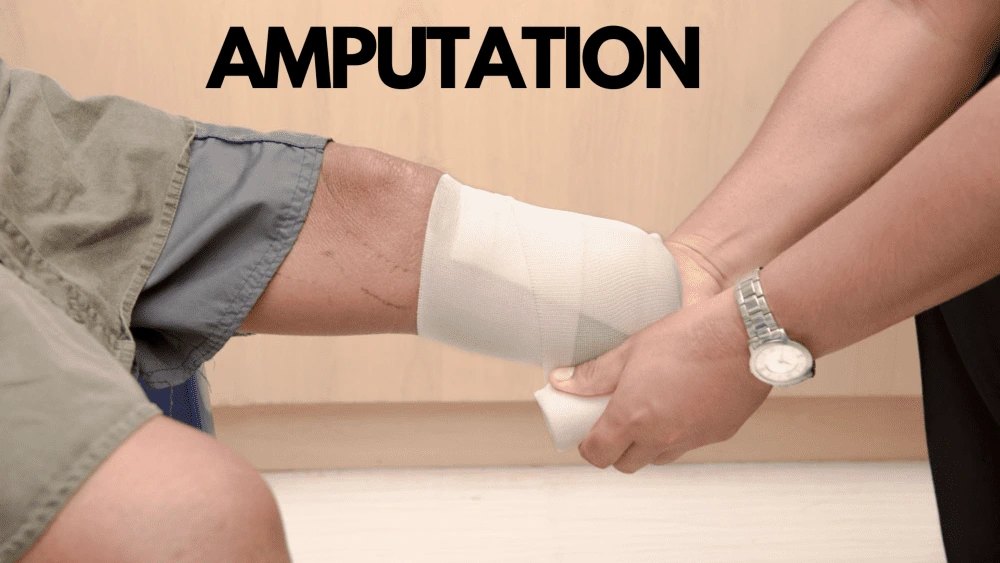
Chapter 62 Musculoskeletal Trauma and Orthopedic Surgery
This chapter focuses on understanding risk factors, diagnostic studies, and care protocols for patients undergoing amputation due to musculoskeletal trauma or chronic conditions.
The Fundamentals Orthopedic Management refers to the comprehensive approach to diagnosing, treating, and rehabilitating conditions and injuries affecting the musculoskeletal system. This system includes bones, joints, muscles, ligaments, tendons, and nerves. Orthopedic management is typically administered by healthcare professionals, including orthopedic surgeons, physiotherapists, and rehabilitation specialists, to help patients restore mobility, alleviate pain, and improve their quality of life.
Risk Factors for Amputation
A nurse is reviewing a list of patients in the outpatient unit. Which condition is a risk factor for amputation?
Gangrene secondary to diabetes
The nurse is caring for a 55-year-old patient with a history of hypertension and skin cancer. The nurse notes discoloration and diminished pulses on a patient’s left foot. The patient reports prolonged exposure to cold, decreased sensation, and tingling in the area. Which factors likely contributed to the patient’s risk for amputation?
Exposure to cold
Decreased tissue perfusion
Which patients are at risk for amputation?
Active duty soldier
Older adult with arteriosclerosis
Young adult with peripheral artery disease
Diagnostic and Surgical Preparations
A patient with swelling, pain, and ulcers of the right leg reports numbness and tingling of the toes. For which diagnostic study would the nurse expect to prepare this patient?
Venography
The nurse is preparing a patient for surgery after a crush injury to the right ankle. The patient’s leg and knee were not damaged. For which type of amputation would the nurse anticipate preparing this patient?
Syme’s amputation
Postoperative Care
The nurse is caring for an older adult patient immediately after a closed right above-knee amputation with a skin flap. Which order by the health care provider should the nurse implement?
Apply wound vacuum device
The nurse is preparing a 68-year-old patient for left above-knee amputation. The patient has a history of stroke, diabetes, and hypertension. Which actions are important to take preoperatively?
Monitor blood sugar levels
Teach about upper body strength exercises
A patient with a right leg amputation reports hip pain and muscle tightness. Which recommendation should the nurse make?
Lie prone for 30 minutes 3 to 4 times per day
Emotional and Psychological Support
The nurse is caring for a patient who underwent right arm amputation secondary to a crush injury. The patient does not talk much about the surgery but does indicate that he is nervous about using the prosthesis and asks for guidance. Which responses by the nurse are appropriate?
- “When I change your dressing, let’s look at the surgical site together.”
- “I will provide a list of therapists that you can use to help you use your prosthesis.”
- “You are moving in the right direction by thinking ahead to how you will use your prosthesis.”
Effective care for patients with musculoskeletal trauma requires addressing physical, psychological, and emotional needs. Share your thoughts in the comments section.
Comprehensive Nursing Care for Musculoskeletal Trauma and Amputation
Musculoskeletal trauma and orthopedic surgery are crucial areas of nursing care that demand both clinical expertise and compassion. For nurses, understanding the risk factors, diagnostic processes, and holistic care strategies for patients at risk of or recovering from amputation is essential. This article explores key scenarios, actionable recommendations, and effective strategies to optimize patient outcomes in these situations.
Identifying Risk Factors for Amputation
Amputation can be a life-altering event, often resulting from underlying health conditions or traumatic injuries. Recognizing risk factors is the first step in preventing complications and ensuring timely interventions.
Case Scenario 1: Diabetes-Related Gangrene
A nurse reviewing patients in an outpatient unit identifies gangrene secondary to diabetes as a major risk factor for amputation. Diabetes often leads to peripheral neuropathy and reduced blood flow, which can result in tissue death if not addressed promptly.
Case Scenario 2: Cold Exposure and Poor Perfusion
A 55-year-old patient with a history of hypertension and skin cancer presents with discoloration and diminished pulses in the left foot. The patient reports prolonged exposure to cold, decreased sensation, and tingling. These symptoms, coupled with decreased tissue perfusion, highlight the risk of amputation.
Who is at Risk?
- Active-duty soldiers exposed to high-impact injuries.
- Older adults with arteriosclerosis.
- Young adults with peripheral artery disease.
Nurses play a critical role in identifying these risk factors and implementing preventive measures such as patient education and early intervention.
Diagnostic Studies for Musculoskeletal Trauma
Accurate diagnosis is vital to developing effective treatment plans for patients with trauma-related conditions. For instance, a patient presenting with swelling, pain, and ulcers in the right leg, accompanied by numbness and tingling of the toes, requires immediate evaluation.
Recommended Diagnostic Study: Venography
This imaging technique is crucial for assessing blood flow and identifying vascular obstructions that may compromise tissue viability.
Surgical Preparation and Care
In cases where amputation is unavoidable, proper surgical preparation and postoperative care are critical to patient recovery and rehabilitation.
Scenario: Crush Injury
A patient with a crush injury to the right ankle, where the leg and knee are unaffected, is a candidate for a Syme’s amputation. This procedure preserves as much limb function as possible, enabling better adaptation to prosthetics.
Preoperative Care
For a 68-year-old patient with a history of stroke, diabetes, and hypertension undergoing a left above-knee amputation, the following steps are vital:
· Monitor Blood Sugar Levels: Uncontrolled diabetes increases the risk of complications.
· Teach Upper Body Strength Exercises: These exercises prepare the patient for mobility aids, such as crutches or wheelchairs, post-surgery.
Postoperative Strategies for Optimal Recovery
Wound Management
After a closed right above-knee amputation with a skin flap, applying a wound vacuum device helps promote healing by reducing swelling and preventing infection.
Managing Hip Pain and Muscle Tightness
A common challenge for patients after a leg amputation is hip pain and muscle tightness. Nurses should recommend lying prone for 30 minutes, 3 to 4 times a day. This position helps stretch the hip flexors and maintain joint mobility.
Emotional and Psychological Support
Amputation is not just a physical loss; it also impacts a patient’s emotional well-being. Nurses must address these concerns with empathy and actionable support.
Scenario: Nervousness About Prosthesis Use
A patient recovering from a right arm amputation expresses nervousness about using a prosthesis. Appropriate nursing responses include:
- “When I change your dressing, let’s look at the surgical site together.” This fosters acceptance of the surgical outcome.
- “I will provide a list of therapists to help you use your prosthesis.” This connects the patient with resources for a smoother transition.
- “You’re moving in the right direction by planning for prosthesis use.” Encouraging words help build confidence and motivation.
Conclusion
Caring for patients with musculoskeletal trauma and amputation requires a comprehensive approach that addresses physical, psychological, and emotional needs. By identifying risk factors, ensuring proper diagnostic evaluation, and providing meticulous pre- and postoperative care, nurses can significantly improve patient outcomes.
Whether you're a student, practicing nurse, or educator, these insights highlight the importance of holistic nursing care in orthopedic settings. Share your thoughts or questions below to continue the conversation on advancing patient care.
0
1623